
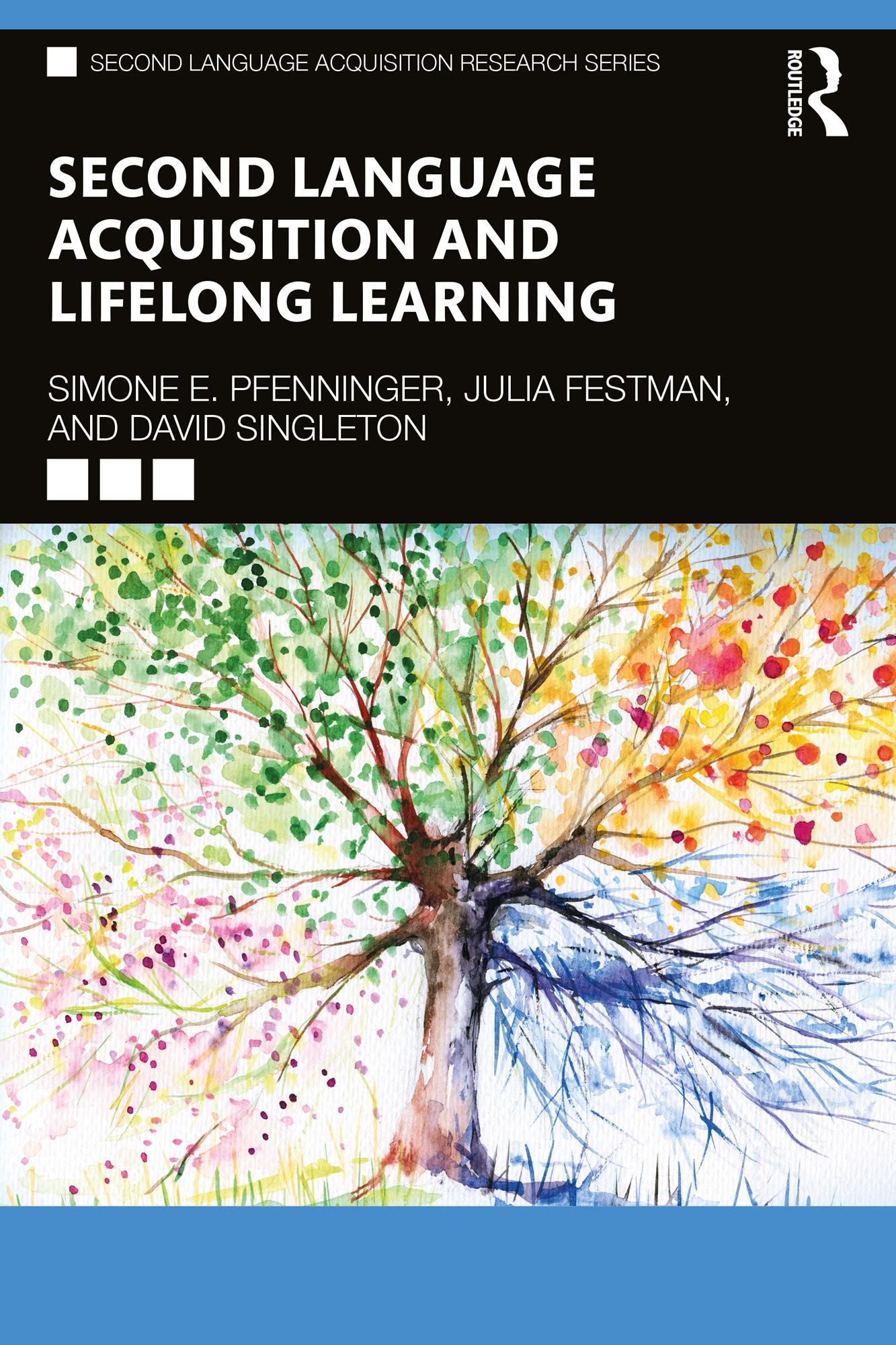
Language fundamentally defines and distinguishes us as humans, as members of society, and as individuals. As we go through life, our relationship with language and with learning shifts and changes, but it remains significant. This book is an up-to-date resource for graduate students and researchers in second language (L2) acquisition who are interested in language learning across the lifespan. The main goal is to survey and evaluate what is known about the linguistic-cognition-affect associations that occur in L2 learning from birth through senescence (passing through the stages of childhood, adolescence, adulthood, and third age), the extent to which L2 acquisition may be seen as contributing to healthy and active aging, the impact of the development of personalized, technology-enhanced communicative L2 environments, and how these phenomena are to be approached scientifically and methodologically. The effects of certain specific variables, such as gender, socio-economic background, and bilingualism are also analyzed, as we argue that chronological age does not determine the positioning of L2 learners across the lifespan: age is part of a complex web of social distinctions such as psychological and individual factors that intersect in the construction of a learner’s relative status and opportunities.
Paga facilmente con carta, Klarna, Apple Pay o Google Pay. Non sei soddisfatto? Hai sempre 14 giorni per il rimborso. Leggi di più nei nostri termini. Per qualsiasi domanda, scrivici a hello@memmo.org.
Memmo rende lo studio più facile, ovunque tu sia nel mondo. Qui trovi i tuoi libri di testo e strumenti di studio intelligenti, tutto in un unico posto: riassunti, quiz, podcast e flashcard. E poi c'è Ted, il tuo compagno di studio che risponde a ogni tua domanda. Oltre 50.000 studenti studiano già qui: è stato creato per aiutarti a imparare più velocemente e a stressarti meno.