
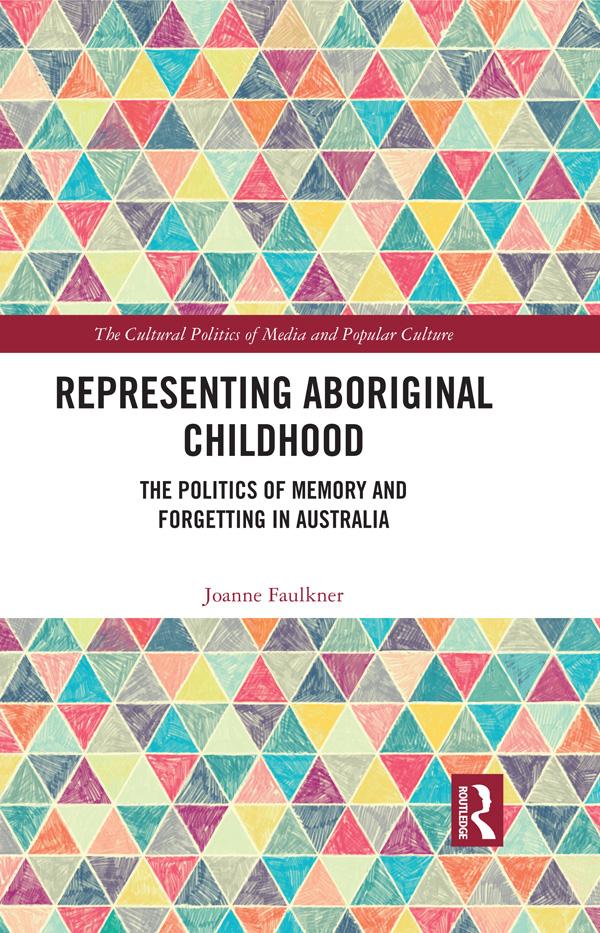
This book critically investigates the ways in which Aboriginal children and childhood figure in Australia’s cultural life to mediate Australians’ ambivalence about the colonial origins of the nation, as well as its possible post-colonial futures. Engaging with representations in literature, film, governmental discourse, and news and infotainment media, it shows how ways of representing Aboriginal children and childhood serve a national project of representing settler-Australian values, through the forgetting of colonial violence. Analysing the ways in which certain negative aspects of Australian nationhood are concealed, rendered invisible, and repressed through practices of representing Aboriginal children and childhood, it challenges accepted ‘shared understandings’ regarding Australian-ness and settler-colonial sovereignty.
Through an innovative interdisciplinary approach that engages critical theory, post-colonial theory, literary studies, history, psychoanalysis, and philosophy, Representing Aboriginal Childhood responds to urgent questions that pivot on the role of the Indigenous child within settler nation-state formations. As such, it will appeal to scholars of sociology and social geography, collective memory, politics and cultural studies.
Paga facilmente con carta, Klarna, Apple Pay o Google Pay. Non sei soddisfatto? Hai sempre 14 giorni per il rimborso. Leggi di più nei nostri termini. Per qualsiasi domanda, scrivici a hello@memmo.org.
Memmo rende lo studio più facile, ovunque tu sia nel mondo. Qui trovi i tuoi libri di testo e strumenti di studio intelligenti, tutto in un unico posto: riassunti, quiz, podcast e flashcard. E poi c'è Ted, il tuo compagno di studio che risponde a ogni tua domanda. Oltre 50.000 studenti studiano già qui: è stato creato per aiutarti a imparare più velocemente e a stressarti meno.