
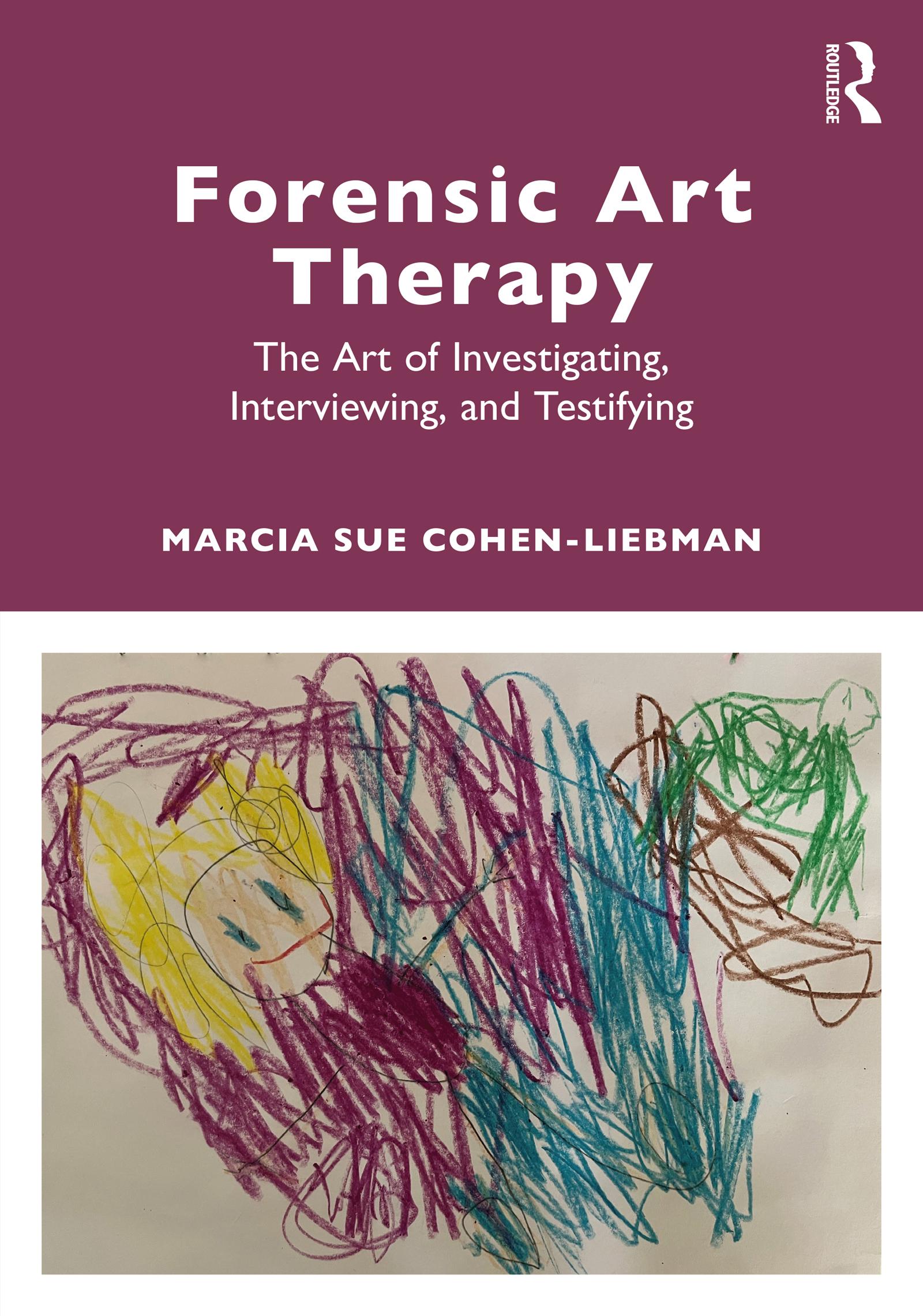
Forensic Art Therapy is designed as an educational and informative resource for individuals from a diverse array of disciplines that engage in investigatory undertakings, interview victims and witnesses, and provide evidentiary testimony.
The material presented serves as a primer for professionals that may present in court on behalf of a client. Ethical issues inherent in the forensic arena, as well as the use of novel scientific evidence in the form of drawings, legal proceedings, testimonials, and practical tips and strategies for effective witnessing, are shared. Research regarding a forensic art therapy investigative interview process, the Common Interview Guideline, examines the facilitative factor associated with the effect of drawing. When utilized as a primary resource within investigative interviews, drawing has the potential to offer support, promote empowerment and enhance disclosure. Understanding how drawing functions in investigative interviews and what it offers for the child, the team and the process contributes to on-going research and best practice.
The text serves as a resource and a handbook for students and professionals that investigate, interview, testify and intervene on behalf of child victims and witnesses from the domains of child protection, law enforcement, prosecution, the judiciary, creative arts therapies, social work and allied practitioners in medicine and mental health.
Paga facilmente con carta, Klarna, Apple Pay o Google Pay. Non sei soddisfatto? Hai sempre 14 giorni per il rimborso. Leggi di più nei nostri termini. Per qualsiasi domanda, scrivici a hello@memmo.org.
Memmo rende lo studio più facile, ovunque tu sia nel mondo. Qui trovi i tuoi libri di testo e strumenti di studio intelligenti, tutto in un unico posto: riassunti, quiz, podcast e flashcard. E poi c'è Ted, il tuo compagno di studio che risponde a ogni tua domanda. Oltre 50.000 studenti studiano già qui: è stato creato per aiutarti a imparare più velocemente e a stressarti meno.