
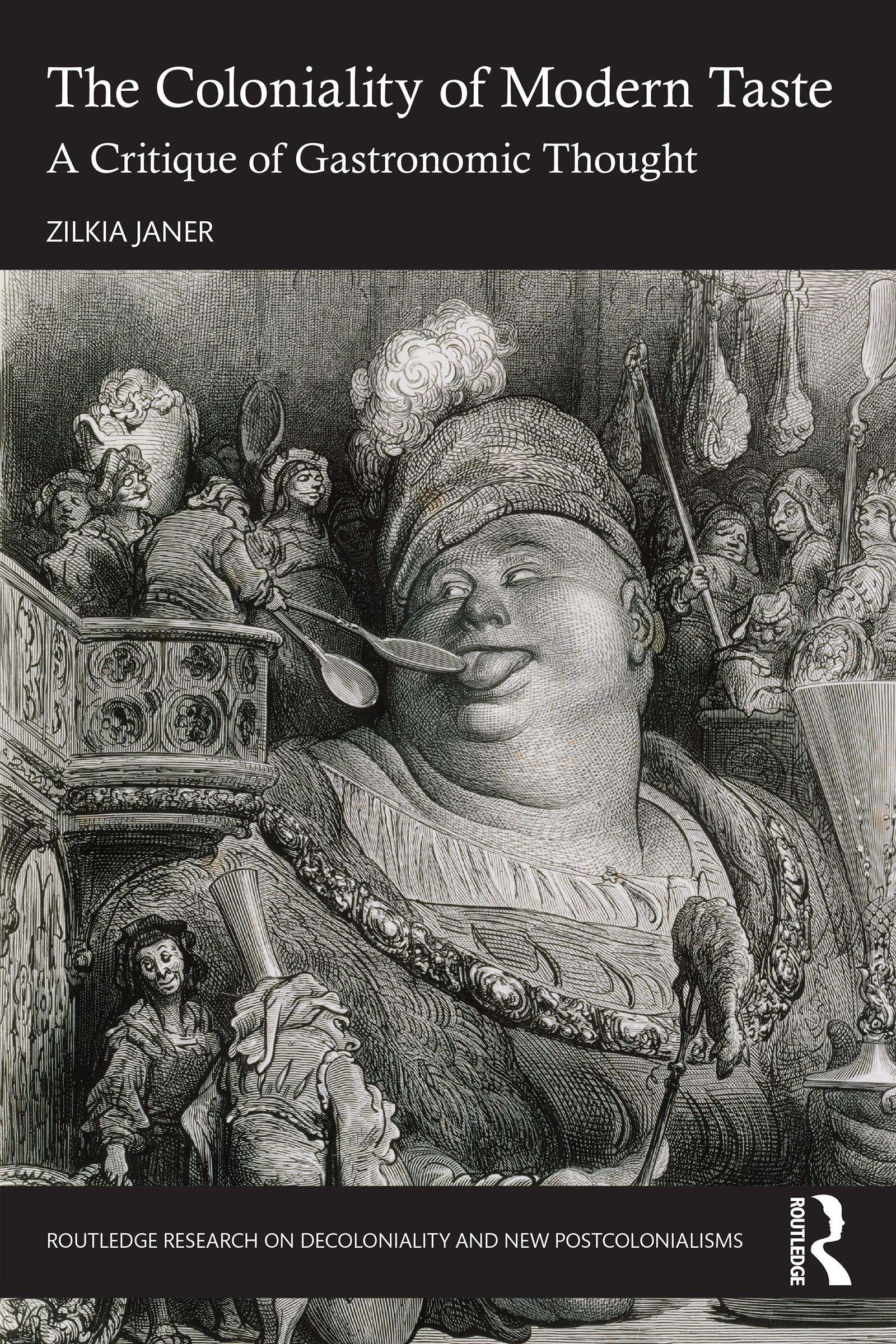
This book analyzes the coloniality of the concept of taste that gastronomy constructed and normalized as modern. It shows how gastronomy’s engagement with rationalist and aesthetic thought, and with colonial and capitalist structures, led to the desensualization, bureaucratization and racialization of its conceptualization of taste.
The Coloniality of Modern Taste provides an understanding of gastronomy that moves away from the usual celebratory approach. Through a discussion of nineteenth-century gastronomic publications, this book illustrates how the gastronomic notion of taste was shaped by a number of specifically modern constraints. It compares the gastronomic approach to taste to conceptualizations of taste that emerged in other geographical and philosophical contexts to illustrate that the gastronomic approach stands out as particularly bereft of affect. The book argues that the understanding of taste constructed by gastronomic texts continues to burden the affective experience of taste, while encouraging patterns of food consumption that rely on an exploitative and unsustainable global food system.
This book will appeal to students and scholars interested in cultural studies, decoloniality, affect theory, sensory studies, gastronomy and food studies.
Paga facilmente con carta, Klarna, Apple Pay o Google Pay. Non sei soddisfatto? Hai sempre 14 giorni per il rimborso. Leggi di più nei nostri termini. Per qualsiasi domanda, scrivici a hello@memmo.org.
Memmo rende lo studio più facile, ovunque tu sia nel mondo. Qui trovi i tuoi libri di testo e strumenti di studio intelligenti, tutto in un unico posto: riassunti, quiz, podcast e flashcard. E poi c'è Ted, il tuo compagno di studio che risponde a ogni tua domanda. Oltre 50.000 studenti studiano già qui: è stato creato per aiutarti a imparare più velocemente e a stressarti meno.