
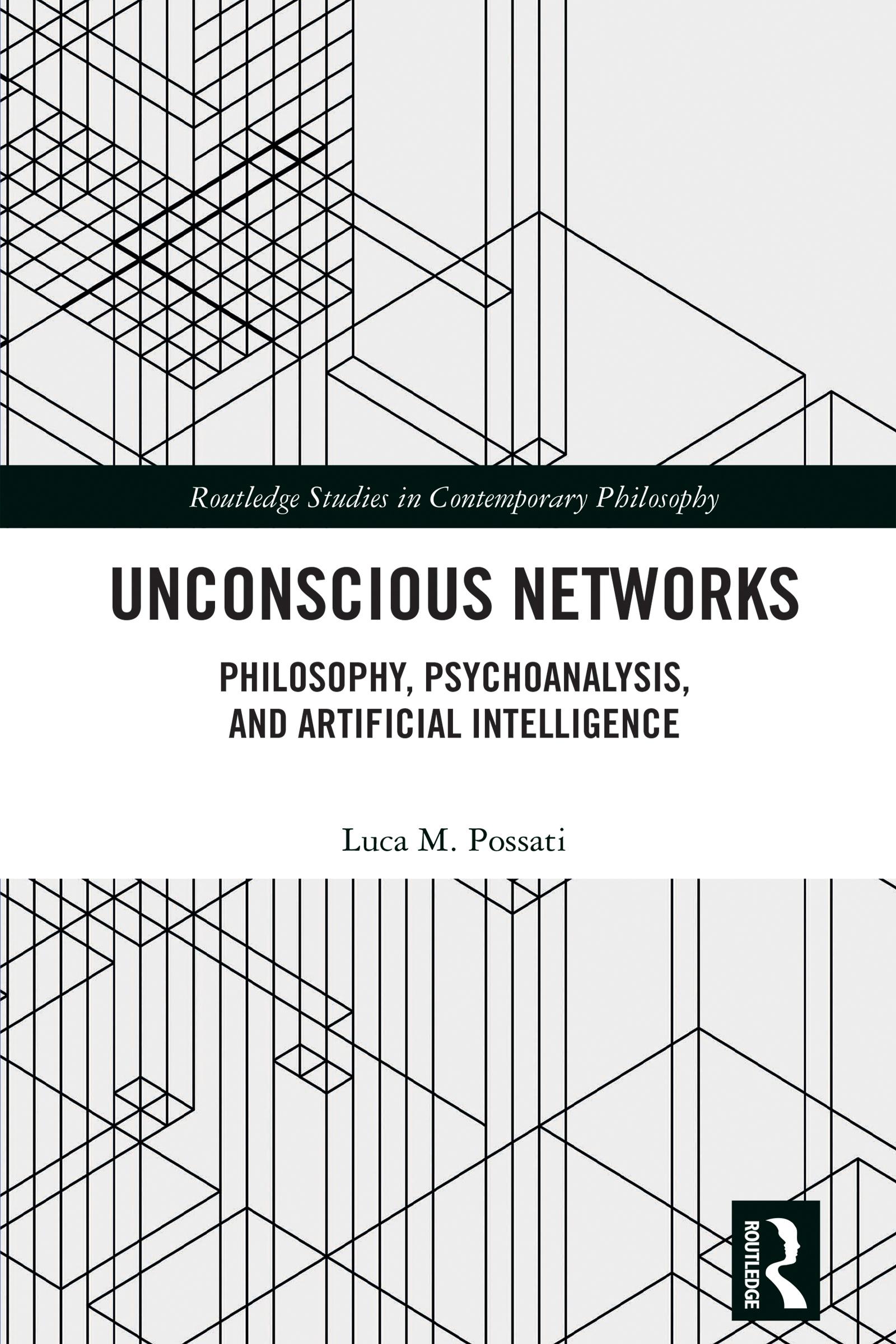
This book develops an original theoretical framework for understanding human-technology relations. The author’s approach, which he calls technoanalysis, analyzes artificial intelligence based on Freudian psychoanalysis, biosemiotics, and Latour’s actor-network theory.
How can we communicate with AI to determine shared values and objectives? And what, ultimately, do we want from machines? These are crucial questions in our world, where the influence of AI-based technologies is rapidly growing. Unconscious dynamics influence AI and digital technology and understanding them is essential to better controlling AI systems. This book’s unique methodology— which combines psychoanalysis, biosemiotics, and actor-network theory—reveals a radical reformulation of the problem of the human mind. Technoanalysis views the mind as a hybrid network of humans and nonhuman actants in constant interaction with one another. The author argues that human unconscious dynamics influence and shape technology, just as technology influences and shapes human unconscious dynamics. He proceeds to show how this conception of the relationship between the unconscious and technology can be applied to social robotics and AI.
Unconscious Networks will appeal to scholars and advanced students interested in philosophy of technology, philosophy of artificial intelligence, psychoanalysis, and science and technology studies.
Paga facilmente con carta, Klarna, Apple Pay o Google Pay. Non sei soddisfatto? Hai sempre 14 giorni per il rimborso. Leggi di più nei nostri termini. Per qualsiasi domanda, scrivici a hello@memmo.org.
Memmo rende lo studio più facile, ovunque tu sia nel mondo. Qui trovi i tuoi libri di testo e strumenti di studio intelligenti, tutto in un unico posto: riassunti, quiz, podcast e flashcard. E poi c'è Ted, il tuo compagno di studio che risponde a ogni tua domanda. Oltre 50.000 studenti studiano già qui: è stato creato per aiutarti a imparare più velocemente e a stressarti meno.