
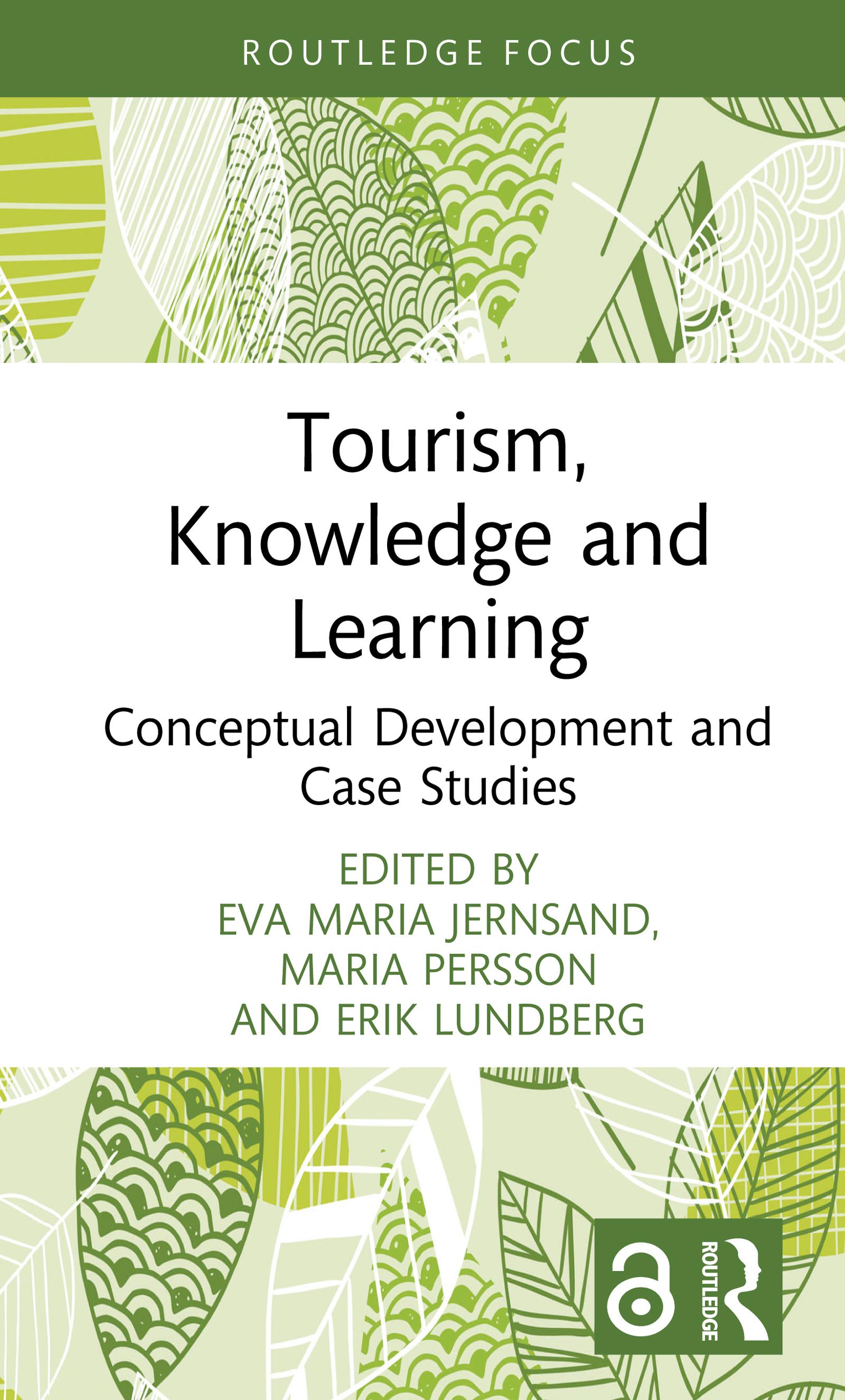
This book contributes to the understanding of how tourism can be designed to provide conditions for learning. This involves learning for tourists, the tourist industry, public authorities and local communities. We explore how tourism, knowledge and learning can be used as means towards sustainable development through current, new or changed structures, concepts, activities and communication efforts. The book should be seen as both an inspiration for tourism actors (e.g. tourism attractions, policy makers and other industry actors), and a scholarly contribution to further research. A holistic approach distinguishes this book from most existing literature that focuses on separate units of tourism, for instance, personal or community well-being, nature-based tourism, cultural heritage tourism or tourism that is a result of researchers’ travels (so-called scientific tourism). The various contributors to the book provide a range of perspectives and experiences, from social sciences with a focus on marketing, innovation management, human geography and environmental law, to arts and humanities with a focus on heritage studies, archaeology and photography, and, finally, to natural sciences with a focus on marine sciences.
The Open Access version of this book, available at www.taylorfrancis.com, has been made available under a Creative Commons Attribution-Non Commercial-No Derivatives 4.0 license
Paga facilmente con carta, Klarna, Apple Pay o Google Pay. Non sei soddisfatto? Hai sempre 14 giorni per il rimborso. Leggi di più nei nostri termini. Per qualsiasi domanda, scrivici a hello@memmo.org.
Memmo rende lo studio più facile, ovunque tu sia nel mondo. Qui trovi i tuoi libri di testo e strumenti di studio intelligenti, tutto in un unico posto: riassunti, quiz, podcast e flashcard. E poi c'è Ted, il tuo compagno di studio che risponde a ogni tua domanda. Oltre 50.000 studenti studiano già qui: è stato creato per aiutarti a imparare più velocemente e a stressarti meno.