
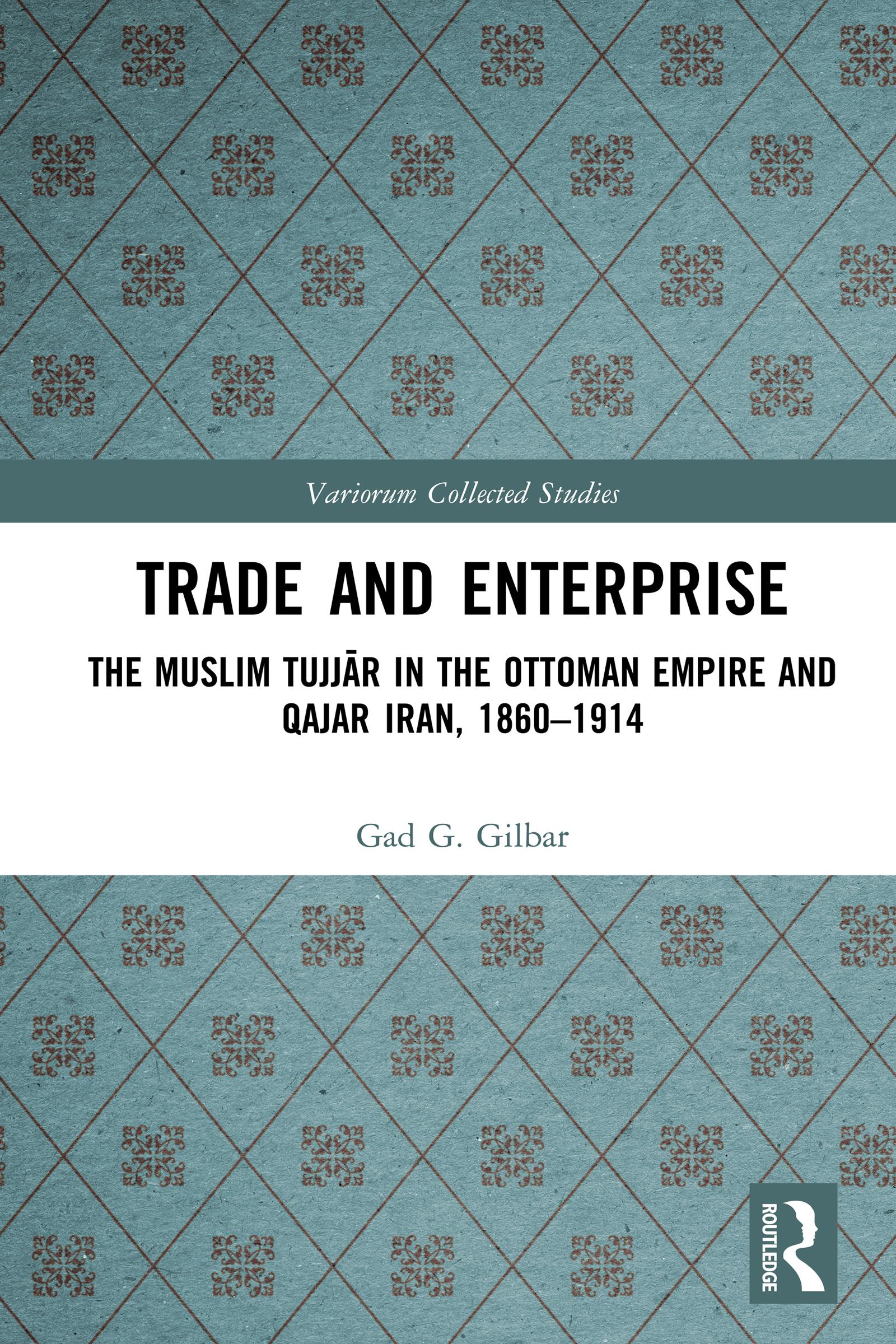
Until recently, the historiography of Middle Eastern economic elites during the first globalization has ignored the significant role played by Muslim tujjār (big merchant-entrepreneurs). Foreign firms and local minorities were considered the prime agents of economic change and the initiators of economic growth.
The 12 studies in this volume show that the Muslim tujjār played a major economic role in various regions of the Middle East during the late nineteenth and early twentieth centuries. Their investments, mainly in commercial agriculture, resulted in economic growth and changed economic structures and social relations in many Middle Eastern communities. They were also involved in political developments, some of which had a dramatic effect on the history of their countries, as for instance in late Qajar Iran. They also played a unique role in the process of cultural change. Although they supported the ʿulamāʾ financially, they also contributed to the establishment of new educational and cultural institutions. The story of the tujjār is unique in the sense that it was the only indigenous elite group in the pre-World War I Middle East to bridge between traditional forces and concepts and Western attitudes and practices. (CS 1108).
Paga facilmente con carta, Klarna, Apple Pay o Google Pay. Non sei soddisfatto? Hai sempre 14 giorni per il rimborso. Leggi di più nei nostri termini. Per qualsiasi domanda, scrivici a hello@memmo.org.
Memmo rende lo studio più facile, ovunque tu sia nel mondo. Qui trovi i tuoi libri di testo e strumenti di studio intelligenti, tutto in un unico posto: riassunti, quiz, podcast e flashcard. E poi c'è Ted, il tuo compagno di studio che risponde a ogni tua domanda. Oltre 50.000 studenti studiano già qui: è stato creato per aiutarti a imparare più velocemente e a stressarti meno.