
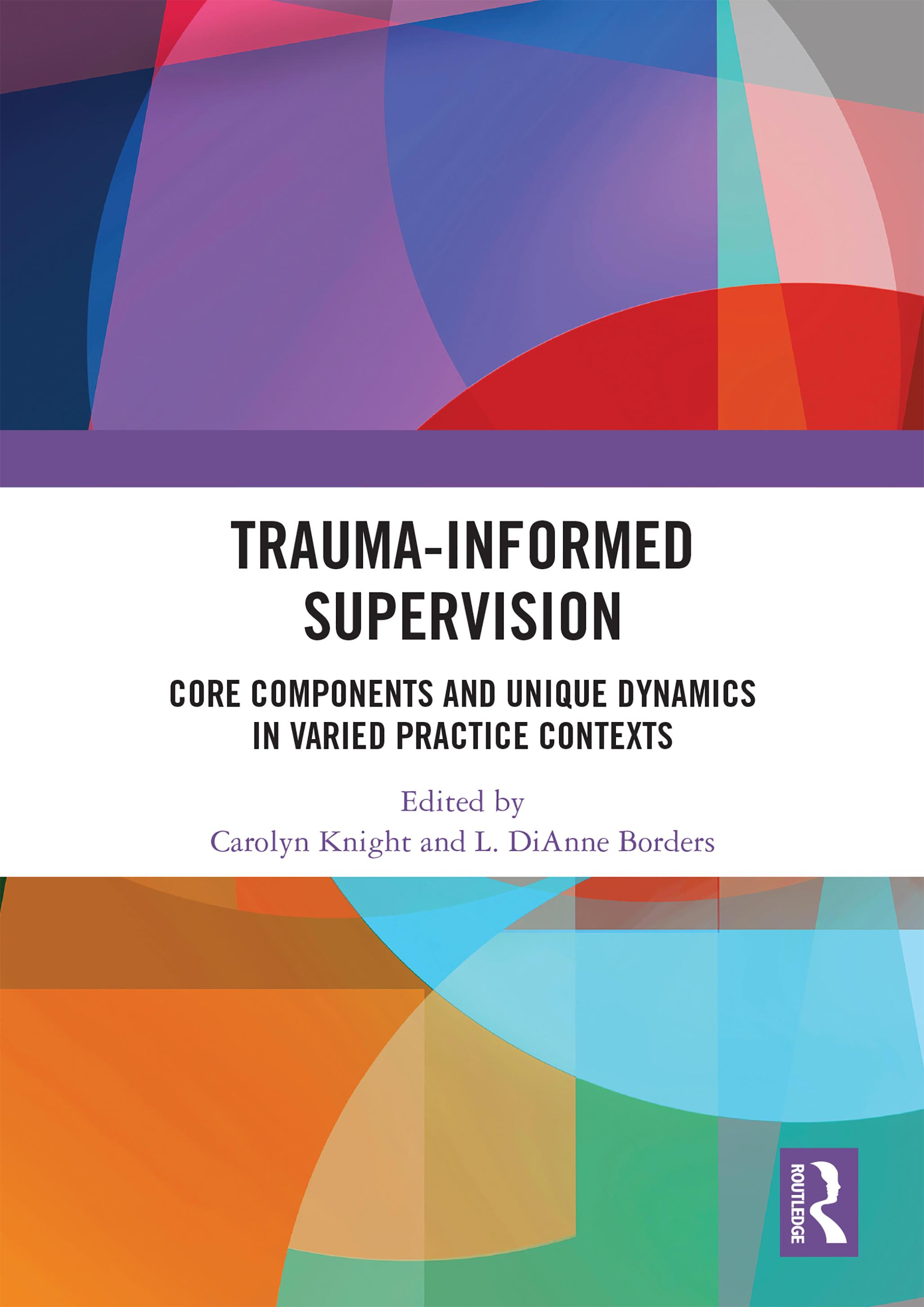
Survivors of trauma are disproportionately represented in agencies providing a broad range of behavioral, social, and mental health services. Practitioners in these settings must understand and be able to respond to survivors of trauma in ways that are empowering, normalize and validate their experiences and reactions, and minimize the risk of retraumatization. Practitioners also will be indirectly traumatized as a result of their work with trauma survivors.
Practitioners’ ability to help clients with histories of trauma depends upon clinical supervision that is trauma-informed. The trauma-informed supervisor has the dual responsibility of enhancing supervisees’ skills as trauma-informed practitioners and helping them manage the impact their work has on them.
Nevertheless, many clinical supervisors only have limited knowledge and training in trauma and may not recognize either the needs of those whom they supervise or the clients their supervisees serve. This book compiles important recommendations from trauma-informed practitioners, supervisors, and researchers who share their professional reflections and personal stories based on their hands-on experiences across mental health and medical contexts.
This book was originally published as a special issue of The Clinical Supervisor.
Paga facilmente con carta, Klarna, Apple Pay o Google Pay. Non sei soddisfatto? Hai sempre 14 giorni per il rimborso. Leggi di più nei nostri termini. Per qualsiasi domanda, scrivici a hello@memmo.org.
Memmo rende lo studio più facile, ovunque tu sia nel mondo. Qui trovi i tuoi libri di testo e strumenti di studio intelligenti, tutto in un unico posto: riassunti, quiz, podcast e flashcard. E poi c'è Ted, il tuo compagno di studio che risponde a ogni tua domanda. Oltre 50.000 studenti studiano già qui: è stato creato per aiutarti a imparare più velocemente e a stressarti meno.