
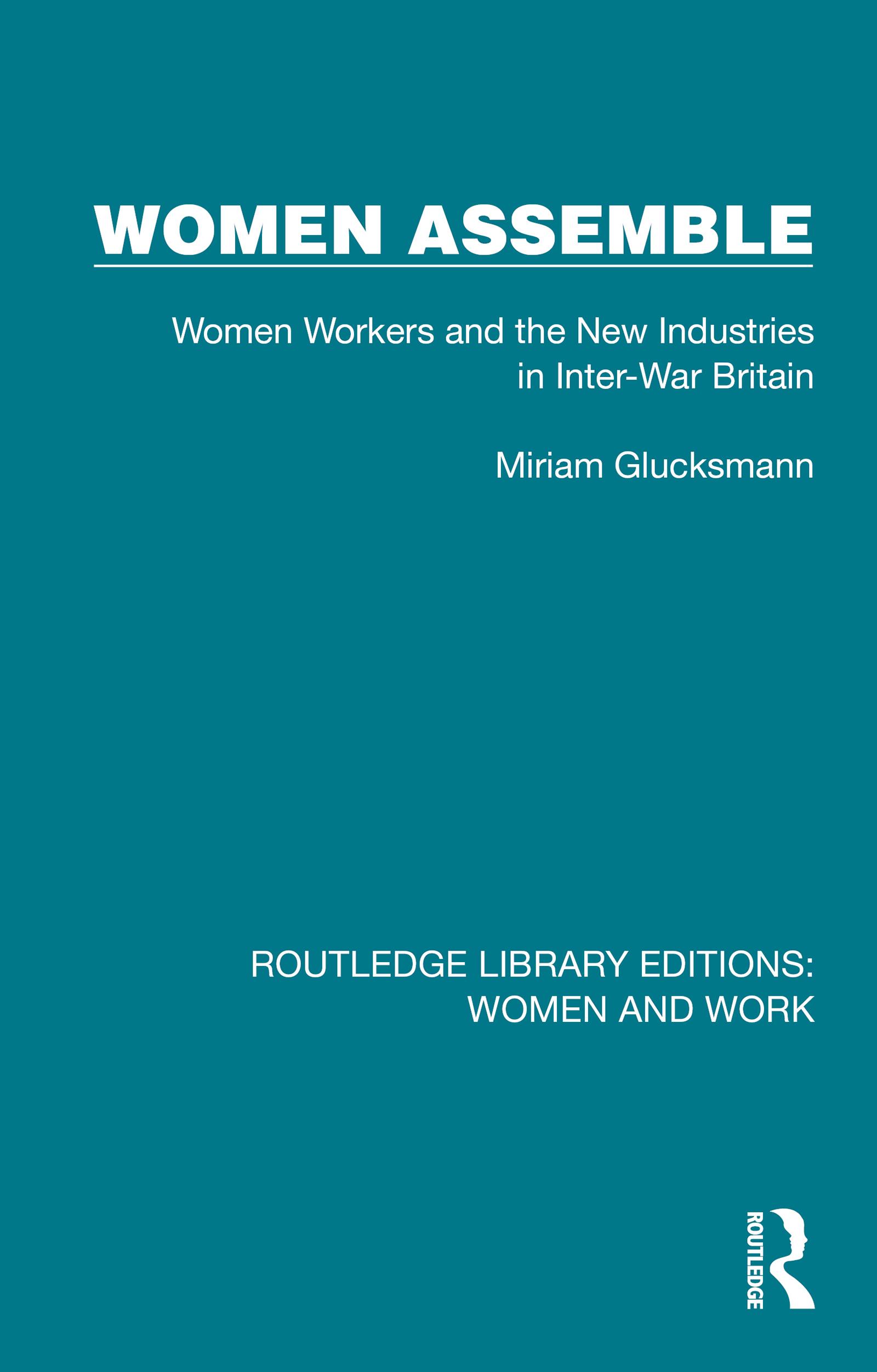
Why did working-class women become the central labour force on assembly lines in the new consumer goods’ industries of the inter-war period? What was the long-term significance of this for the pattern of women’s work, both in paid employment and in the home?
Originally published in 1990, Women Assemble fills a major gap in the history of women and work, and develops a theory of women’s class relations, and of course gender and class more generally, by means of an original case-study. Taken from a wide variety of sources, it uses a multidisciplinary approach and is brought to life by interviews with people who worked in assembly-line industries during the inter-war period.
This extremely readable study is important to feminists, historians, and sociologists, as well as to all those concerned with issues of gender, class, and the labour process.
Paga facilmente con carta, Klarna, Apple Pay o Google Pay. Non sei soddisfatto? Hai sempre 14 giorni per il rimborso. Leggi di più nei nostri termini. Per qualsiasi domanda, scrivici a hello@memmo.org.
Memmo rende lo studio più facile, ovunque tu sia nel mondo. Qui trovi i tuoi libri di testo e strumenti di studio intelligenti, tutto in un unico posto: riassunti, quiz, podcast e flashcard. E poi c'è Ted, il tuo compagno di studio che risponde a ogni tua domanda. Oltre 50.000 studenti studiano già qui: è stato creato per aiutarti a imparare più velocemente e a stressarti meno.