
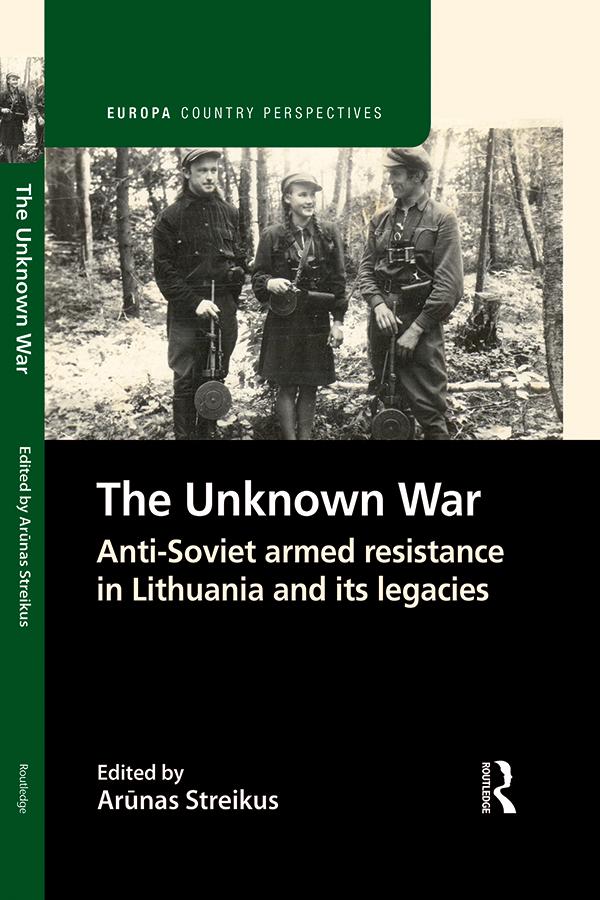
The armed anti-Soviet resistance movement which arose in the second half of 1944 in Lithuania, as Soviet forces began to reoccupy the Baltic countries and Galicia, sparking a nearly decade-long fierce military conflict, has yet to become established in the common narrative of contemporary European history. However, controversy regarding the nature of this `war after the war' and its legacies constitutes one of the core elements in the contemporary information warfare waged by Russia against its neighbouring countries. The origins of various distortions surrounding the story of the partisan war in the western borderlands of the Soviet Union can even be traced to the final stages of that war, when Soviet propaganda sought to discredit the campaign as a battle waged by criminal elements. In this example of a historical event charged with controversial memories and geopolitical connotations, a thorough academic approach is extraordinarily instrumental.
Responding to the growing need for historical research capable of providing international readers with the latest findings in the thematic field under question, six scholars from Vilnius University address the diverse aspects of this phenomenon as well as its role in the culture and politics of memory. Toward this end, this analysis – among the most comprehensive explorations of this history to date – is being released in both Lithuanian and English.
Paga facilmente con carta, Klarna, Apple Pay o Google Pay. Non sei soddisfatto? Hai sempre 14 giorni per il rimborso. Leggi di più nei nostri termini. Per qualsiasi domanda, scrivici a hello@memmo.org.
Memmo rende lo studio più facile, ovunque tu sia nel mondo. Qui trovi i tuoi libri di testo e strumenti di studio intelligenti, tutto in un unico posto: riassunti, quiz, podcast e flashcard. E poi c'è Ted, il tuo compagno di studio che risponde a ogni tua domanda. Oltre 50.000 studenti studiano già qui: è stato creato per aiutarti a imparare più velocemente e a stressarti meno.