
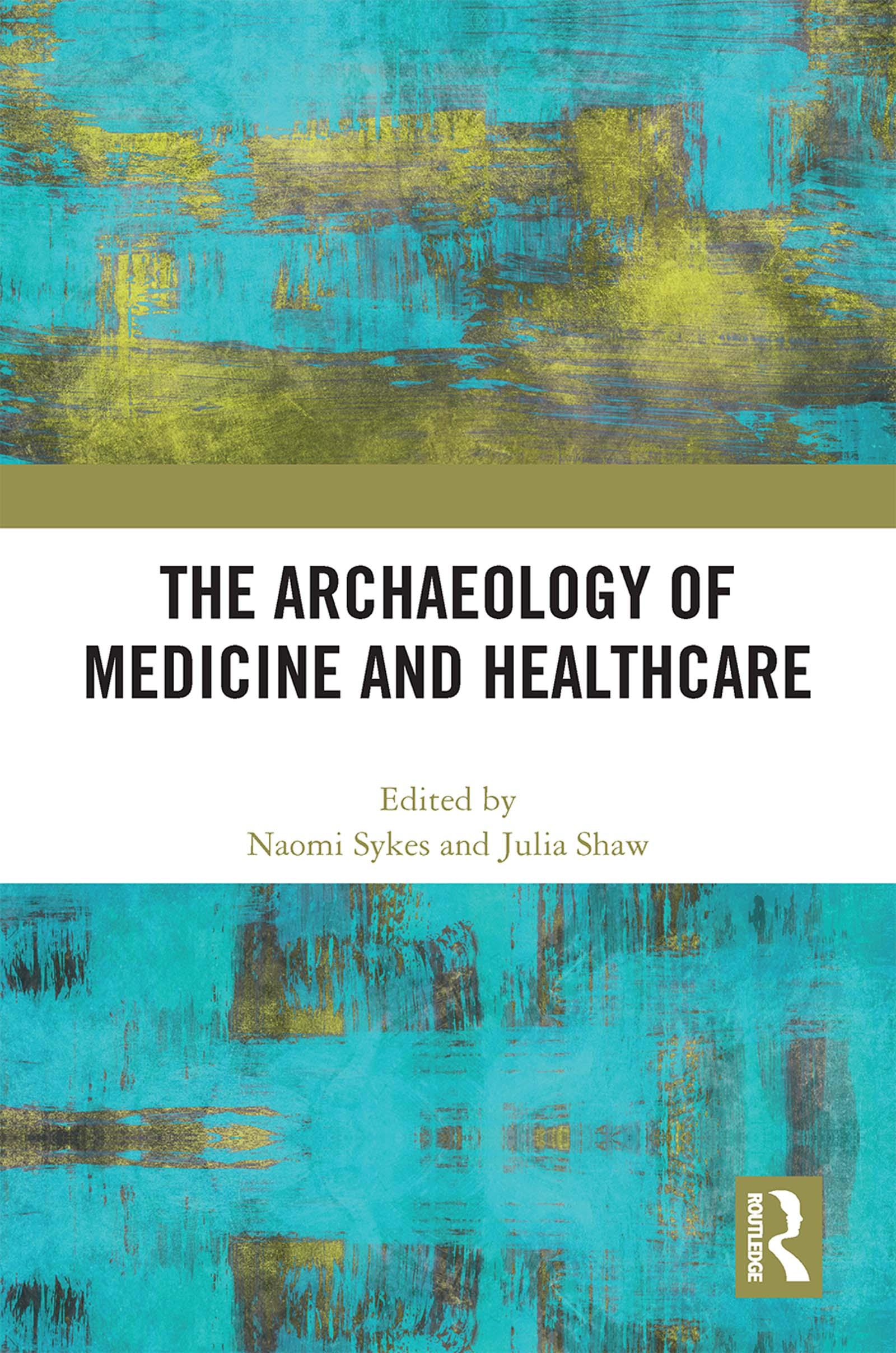
The maintenance of human health and the mechanisms by which this is achieved – through medicine, medical intervention and care-giving – are fundamentals of human societies. However, archaeological investigations of medicine and care have tended to examine the obvious and explicit manifestations of medical treatment as discrete practices that take place within specific settings, rather than as broader indicators of medical worldviews and health beliefs. This volume highlights the importance of medical worldviews as a means of understanding healthcare and medical practice in the past.
The volume brings together ten chapters, with themes ranging from a bioarchaeology of Neanderthal healthcare, to Roman air quality, decontamination strategies at Australian quarantine centres, to local resistance to colonial medical structures in South America. Within their chapters the contributors argue for greater integration between archaeology and both the medical and environmental humanities, while the Introduction presents suggestions for future engagement with emerging discourse in community and public health, environmental and planetary health, genetic and epigenetic medicine, 'exposome' studies and ecological public health, microbiome studies and historical disability studies.
The chapters in this book were originally published as a special issue of World Archaeology.
Paga facilmente con carta, Klarna, Apple Pay o Google Pay. Non sei soddisfatto? Hai sempre 14 giorni per il rimborso. Leggi di più nei nostri termini. Per qualsiasi domanda, scrivici a hello@memmo.org.
Memmo rende lo studio più facile, ovunque tu sia nel mondo. Qui trovi i tuoi libri di testo e strumenti di studio intelligenti, tutto in un unico posto: riassunti, quiz, podcast e flashcard. E poi c'è Ted, il tuo compagno di studio che risponde a ogni tua domanda. Oltre 50.000 studenti studiano già qui: è stato creato per aiutarti a imparare più velocemente e a stressarti meno.