
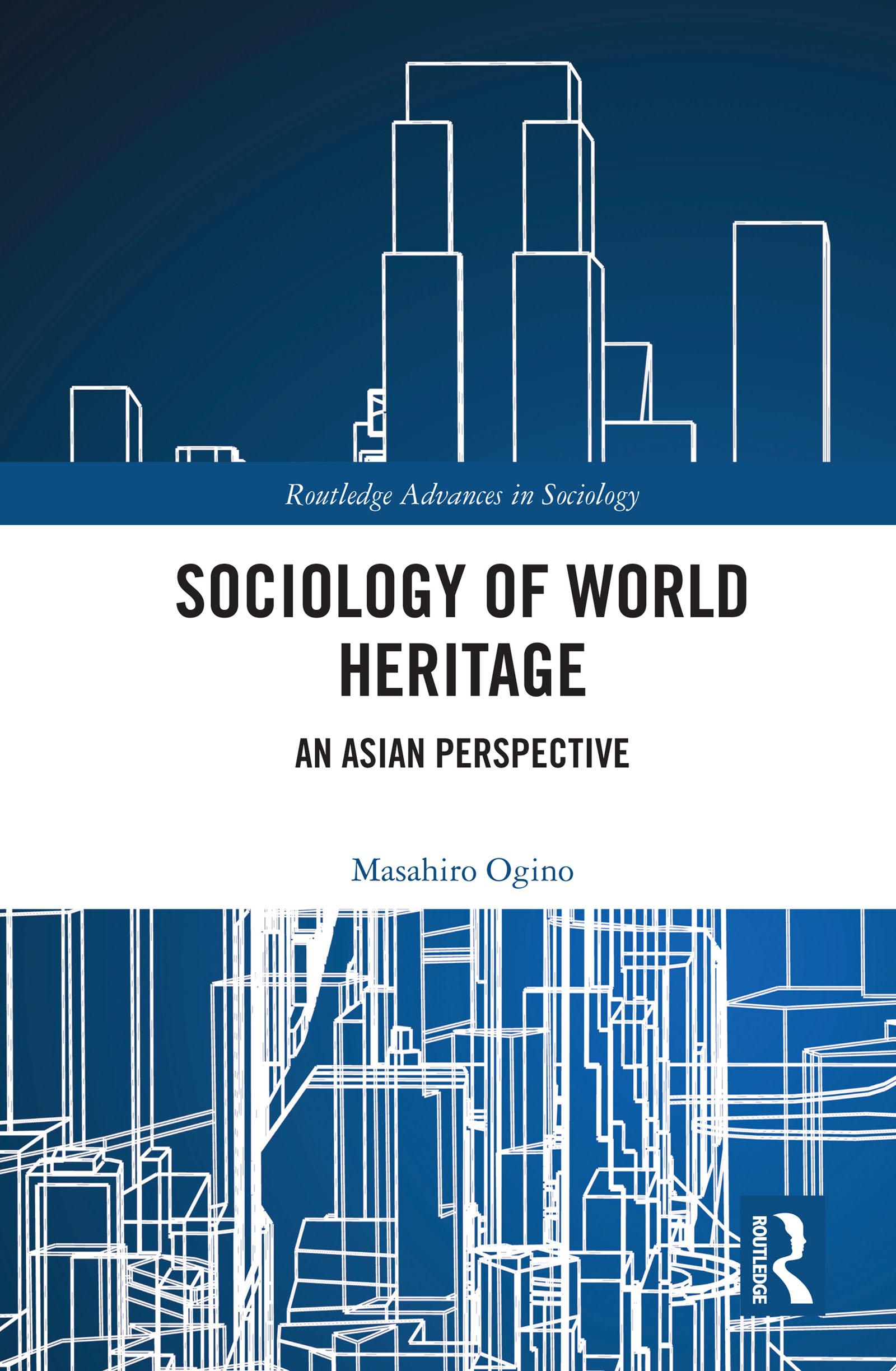
Taking mainly Japanese and other Asian case studies as examples, Ogino examines the motivations behind the preservation of objects and sites considered to be of cultural significance.
Using mainly the perspectives of Japanese approaches to cultural heritage, the book critiques the European logic of cultural heritage enshrined by UNESCO. It contrasts a Western emphasis on monuments and sites, with an Asian emphasis on more intangible forms of heritage, which place less emphasis on a linear view of time. More practically, the authors also analyse the positive and negative impacts that UNESCO-listed status has had on sites in Asia, including Angkor Wat, Nagasaki, and Lijiang. Finally, they address fundamental questions about who gets to decide what counts as cultural heritage, and what the underlying rationale is for actively preserving heritage in the first place.
This books is a thoughtful and provocative analysis of issues that will be of interest to sociologists, as well as scholars and students of cultural heritage.
Paga facilmente con carta, Klarna, Apple Pay o Google Pay. Non sei soddisfatto? Hai sempre 14 giorni per il rimborso. Leggi di più nei nostri termini. Per qualsiasi domanda, scrivici a hello@memmo.org.
Memmo rende lo studio più facile, ovunque tu sia nel mondo. Qui trovi i tuoi libri di testo e strumenti di studio intelligenti, tutto in un unico posto: riassunti, quiz, podcast e flashcard. E poi c'è Ted, il tuo compagno di studio che risponde a ogni tua domanda. Oltre 50.000 studenti studiano già qui: è stato creato per aiutarti a imparare più velocemente e a stressarti meno.