
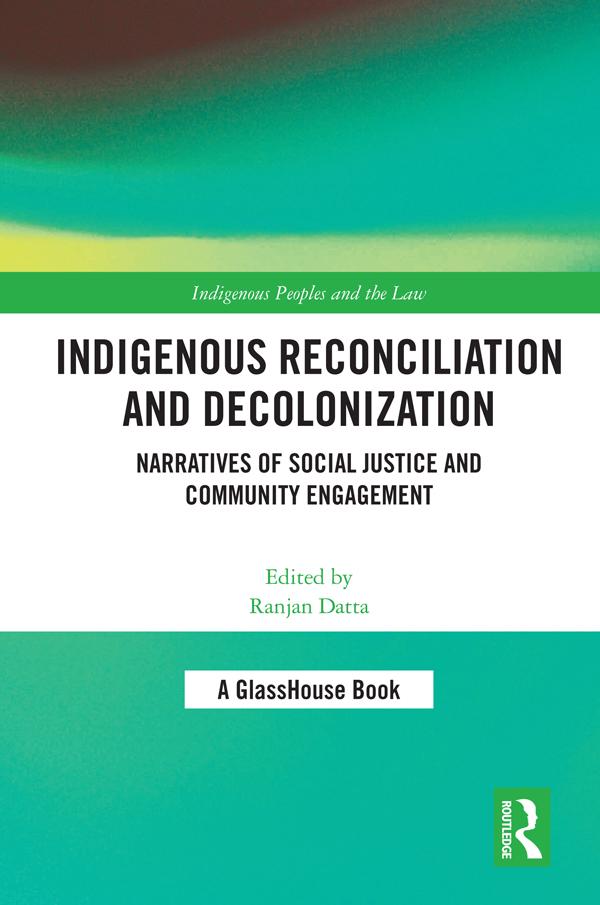
This book addresses the ethical and practical issues at stake in the reconciliation of Indigenous and non-indigenous communities.
An increasing number of researchers, educators, and social and environmental activists are eager to find ways to effectively support ongoing attempts to recognize, integrate and promote Indigenous perspectives and communities. Taking Canada as its focus, this book offers a multidisciplinary consideration of a range of reconciliation policies, practices and initiatives that are relevant in all settler states. Set against its increasing neoliberal appropriation, the book resituates reconciliation in the everyday contexts of community interaction and engagement, as well as in the important areas of Indigenous knowledge, resource management and social and environmental justice. Reconciliation is not just the responsibility of law and government. And, attuned to the different perspectives of settlers, migrants and refugee communities, the book examines areas of opportunity, as well as obstacles to progress, in the forging of a truly decolonizing framework for reconciliation.
As the challenges of reconciliation cross numerous academic and substantial areas, this book will appeal to a range of scholars and practitioners working in law, politics, education, environmental studies, anthropology and Indigenous studies.
Paga facilmente con carta, Klarna, Apple Pay o Google Pay. Non sei soddisfatto? Hai sempre 14 giorni per il rimborso. Leggi di più nei nostri termini. Per qualsiasi domanda, scrivici a hello@memmo.org.
Memmo rende lo studio più facile, ovunque tu sia nel mondo. Qui trovi i tuoi libri di testo e strumenti di studio intelligenti, tutto in un unico posto: riassunti, quiz, podcast e flashcard. E poi c'è Ted, il tuo compagno di studio che risponde a ogni tua domanda. Oltre 50.000 studenti studiano già qui: è stato creato per aiutarti a imparare più velocemente e a stressarti meno.