
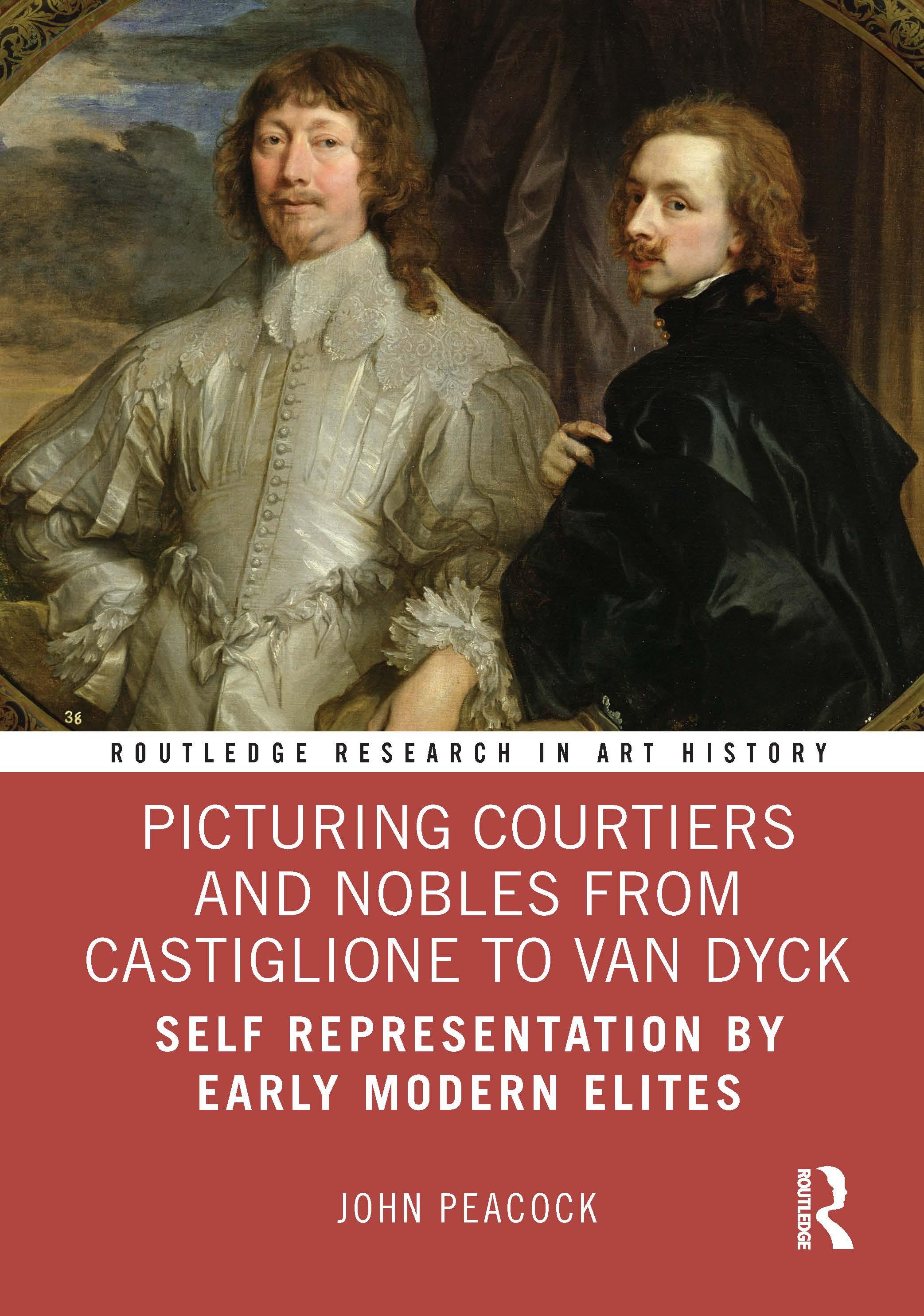
This interdisciplinary study examines painted portraiture as a defining metaphor of elite self-representation in early modern culture.
Beginning with Castiglione’s Book of the Courtier (1528), the most influential early modern account of the formation of elite identity, the argument traces a path across the ensuing century towards the images of courtiers and nobles by the most persuasive of European portrait painters, Van Dyck, especially those produced in London during the 1630s. It investigates two related kinds of texts: those which, following Castiglione, model the conduct of the ideal courtier or elite social conduct more generally; and those belonging to the established tradition of debates about the condition of nobility –how far it is genetically inherited and how far a function of excelling moral and social behaviour. Van Dyck is seen as contributing to these discussions through the language of pictorial art.
The book will be of interest to scholars working in art history, cultural history, early modern history and Renaissance studies.
Paga facilmente con carta, Klarna, Apple Pay o Google Pay. Non sei soddisfatto? Hai sempre 14 giorni per il rimborso. Leggi di più nei nostri termini. Per qualsiasi domanda, scrivici a hello@memmo.org.
Memmo rende lo studio più facile, ovunque tu sia nel mondo. Qui trovi i tuoi libri di testo e strumenti di studio intelligenti, tutto in un unico posto: riassunti, quiz, podcast e flashcard. E poi c'è Ted, il tuo compagno di studio che risponde a ogni tua domanda. Oltre 50.000 studenti studiano già qui: è stato creato per aiutarti a imparare più velocemente e a stressarti meno.