
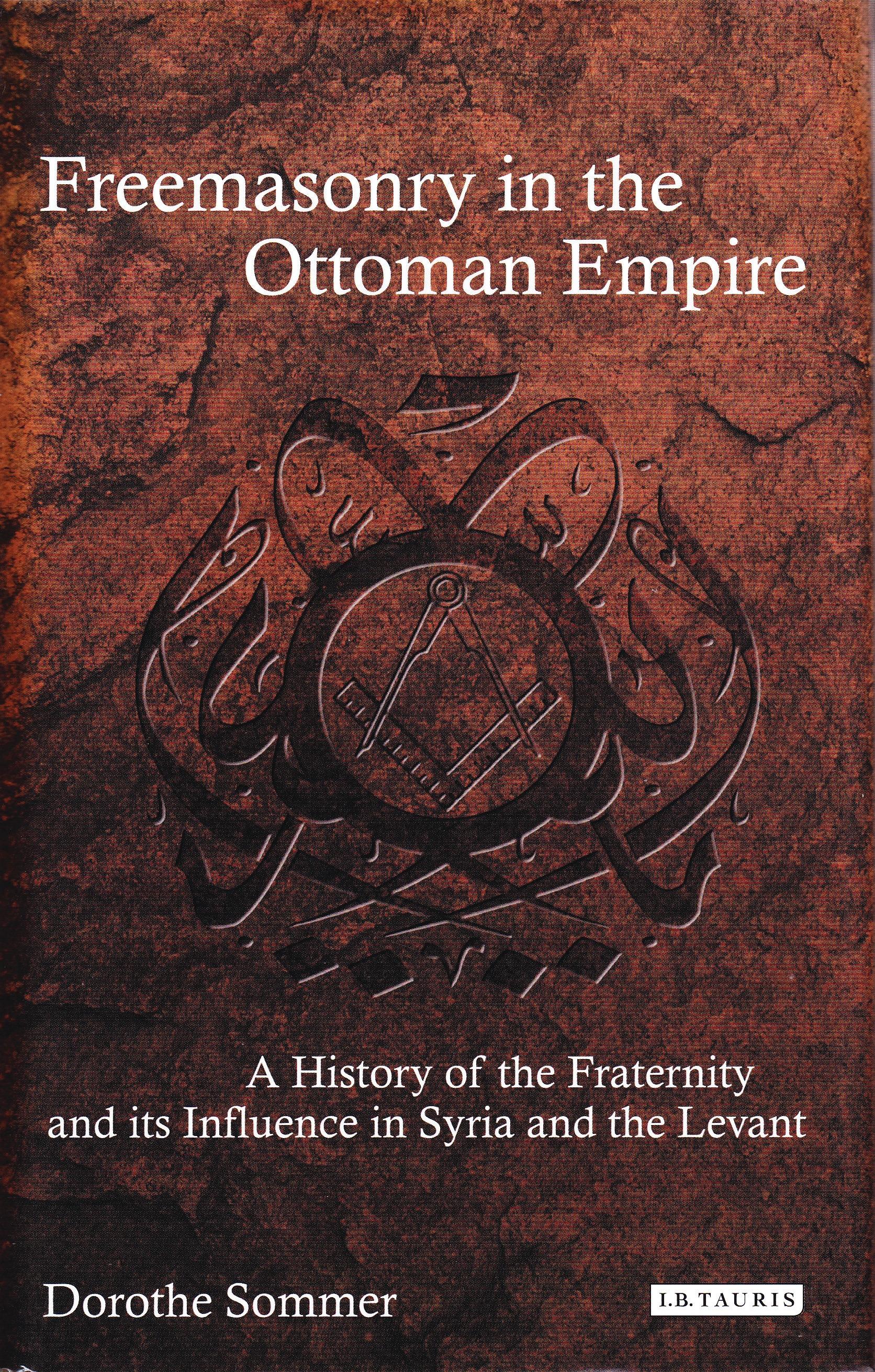
The network of freemasons and Masonic lodges in the Middle East is an opaque and mysterious one, and is all too often seen – within the area – as a vanguard for Western purposes of regional domination. But here, Dorothe Sommer explains how freemasonry in Greater Syria at the end of the nineteenth and beginning of the twentieth century actually developed a life of its own, promoting local and regional identities. She stresses that during the rule of the Ottoman Empire, freemasonry was actually one of the first institutions in what is now Syria and Lebanon which overcame religious and sectarian divisions. Indeed, the lodges attracted more participants – such as the members of the Trad and Yaziji Family, Khaireddeen Abdulwahab, Hassan Bayhum, Alexander Barroudi and Jurji Yanni - than any other society or fraternity. Freemasonry in the Ottoman Empire analyses the social and cultural structures of the Masonic network of lodges and their interconnections at a pivotal juncture in the history of the Ottoman Empire, making it invaluable for researchers of the history of the Middle East.
Paga facilmente con carta, Klarna, Apple Pay o Google Pay. Non sei soddisfatto? Hai sempre 14 giorni per il rimborso. Leggi di più nei nostri termini. Per qualsiasi domanda, scrivici a hello@memmo.org.
Memmo rende lo studio più facile, ovunque tu sia nel mondo. Qui trovi i tuoi libri di testo e strumenti di studio intelligenti, tutto in un unico posto: riassunti, quiz, podcast e flashcard. E poi c'è Ted, il tuo compagno di studio che risponde a ogni tua domanda. Oltre 50.000 studenti studiano già qui: è stato creato per aiutarti a imparare più velocemente e a stressarti meno.