
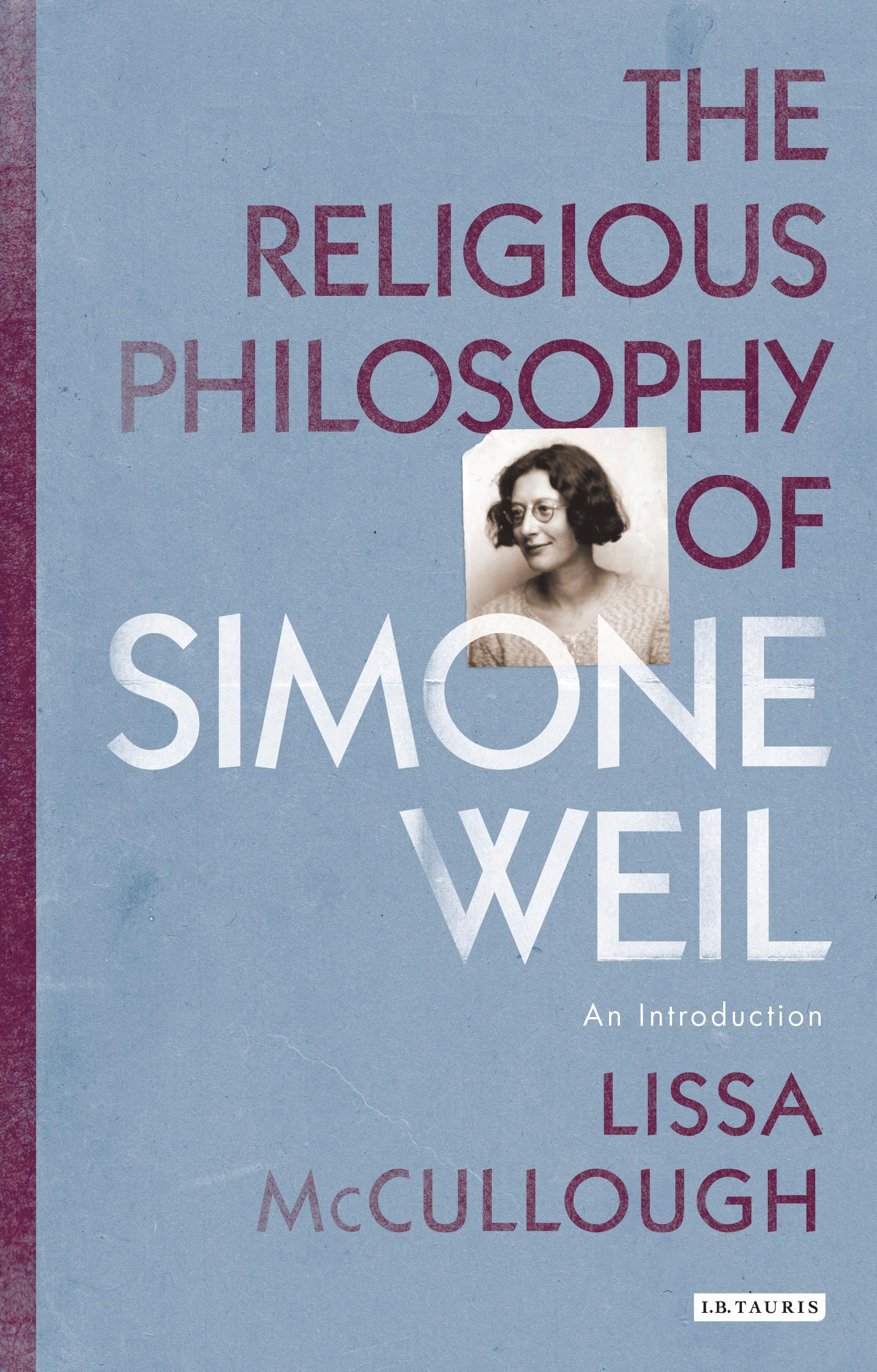
The French philosopher Simone Weil (1909-1943), a contemporary of Simone de Beauvoir and Jean-Paul Sartre, remains in every way a thinker for our times. She was an outsider, in multiple senses, defying the usual religious categories: at once atheistic and religious; mystic and realist; sceptic and believer. She speaks therefore to the complex sensibilities of a rationalist age. Yet despite her continuing relevance, and the attention she attracts from philosophy, cultural studies, feminist studies, spirituality and beyond, Weil's reflections can still be difficult to grasp, since they were expressed in often inscrutable and fragmentary form. Lissa McCullough here offers a reliable guide to the key concepts of Weil's religious philosophy: good and evil, the void, gravity, grace, beauty, suffering and waiting for God. In addressing such distinctively contemporary concerns as depression, loneliness and isolation, and in writing hauntingly of God's voluntary 'nothingness', Weil's existential paradoxes continue to challenge and provoke. This is the first introductory book to show the essential coherence of her enigmatic but remarkable ideas about religion.
Paga facilmente con carta, Klarna, Apple Pay o Google Pay. Non sei soddisfatto? Hai sempre 14 giorni per il rimborso. Leggi di più nei nostri termini. Per qualsiasi domanda, scrivici a hello@memmo.org.
Memmo rende lo studio più facile, ovunque tu sia nel mondo. Qui trovi i tuoi libri di testo e strumenti di studio intelligenti, tutto in un unico posto: riassunti, quiz, podcast e flashcard. E poi c'è Ted, il tuo compagno di studio che risponde a ogni tua domanda. Oltre 50.000 studenti studiano già qui: è stato creato per aiutarti a imparare più velocemente e a stressarti meno.