
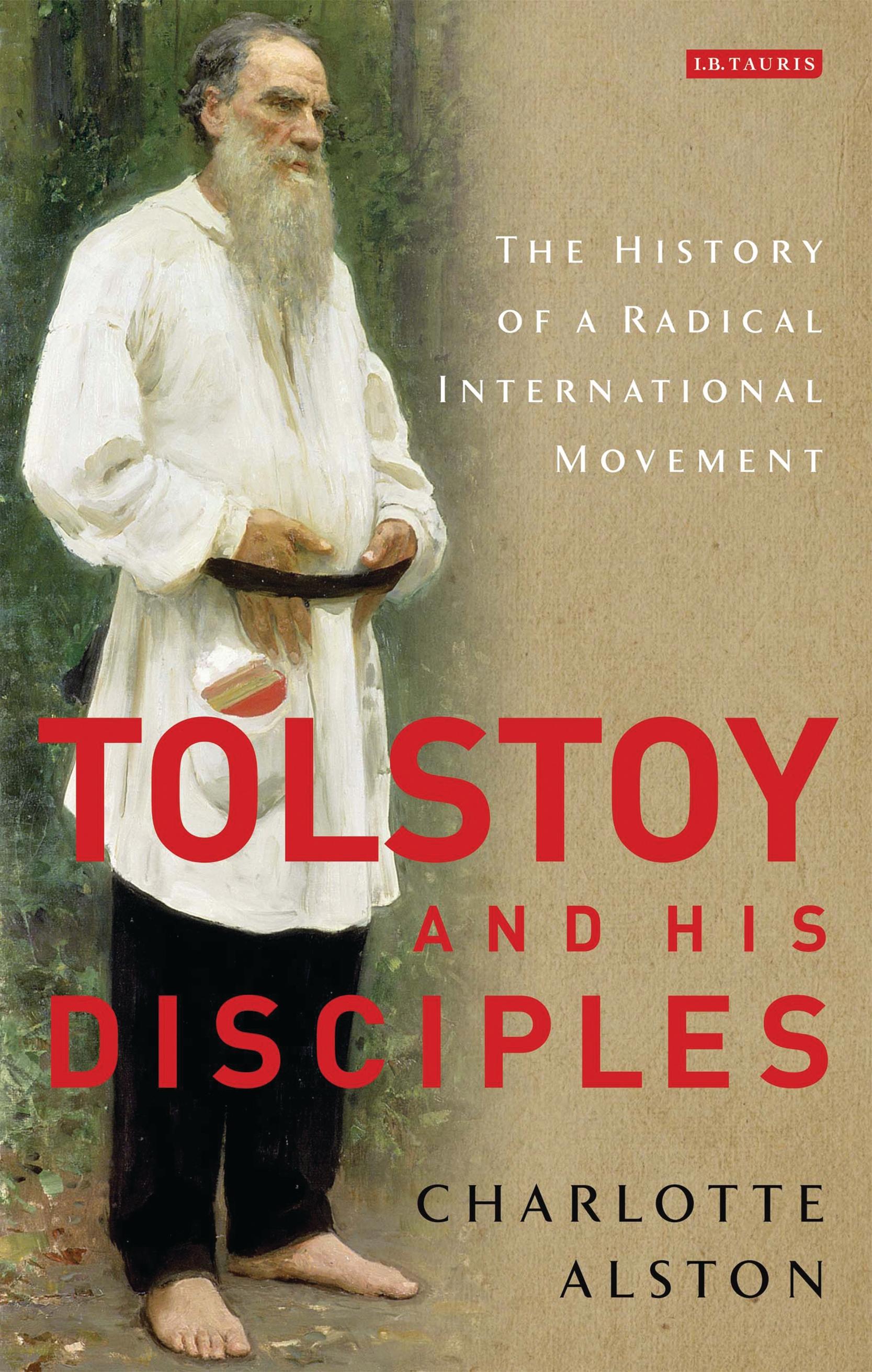
In the last thirty years of his life, Leo Tolstoy developed a moral philosophy that embraced pacifism, vegetarianism, the renunciation of private property, and a refusal to comply with the state. The transformation in his outlook led to his excommunication by the Orthodox Church, and the breakdown of his family life. Internationally, he inspired a legion of followers who formed communities and publishing houses devoted to living and promoting the Tolstoyan life. These enterprises flourished across Europe and the United States in the late nineteenth and early twentieth century, and Tolstoyism influenced individuals as diverse as William Jennings Bryan and Mohandas Gandhi. In this book, Charlotte Alston provides the first in-depth historical account of this remarkable phenomenon, and provides an important re-assessment of Tolstoy's impact on the political life of the late nineteenth and early twentieth century. The book is unique in its treatment of Tolstoyism as an international phenomenon: it explores both the connections between these Tolstoyan groups, and their relationships with other related reform movements.
Paga facilmente con carta, Klarna, Apple Pay o Google Pay. Non sei soddisfatto? Hai sempre 14 giorni per il rimborso. Leggi di più nei nostri termini. Per qualsiasi domanda, scrivici a hello@memmo.org.
Memmo rende lo studio più facile, ovunque tu sia nel mondo. Qui trovi i tuoi libri di testo e strumenti di studio intelligenti, tutto in un unico posto: riassunti, quiz, podcast e flashcard. E poi c'è Ted, il tuo compagno di studio che risponde a ogni tua domanda. Oltre 50.000 studenti studiano già qui: è stato creato per aiutarti a imparare più velocemente e a stressarti meno.