
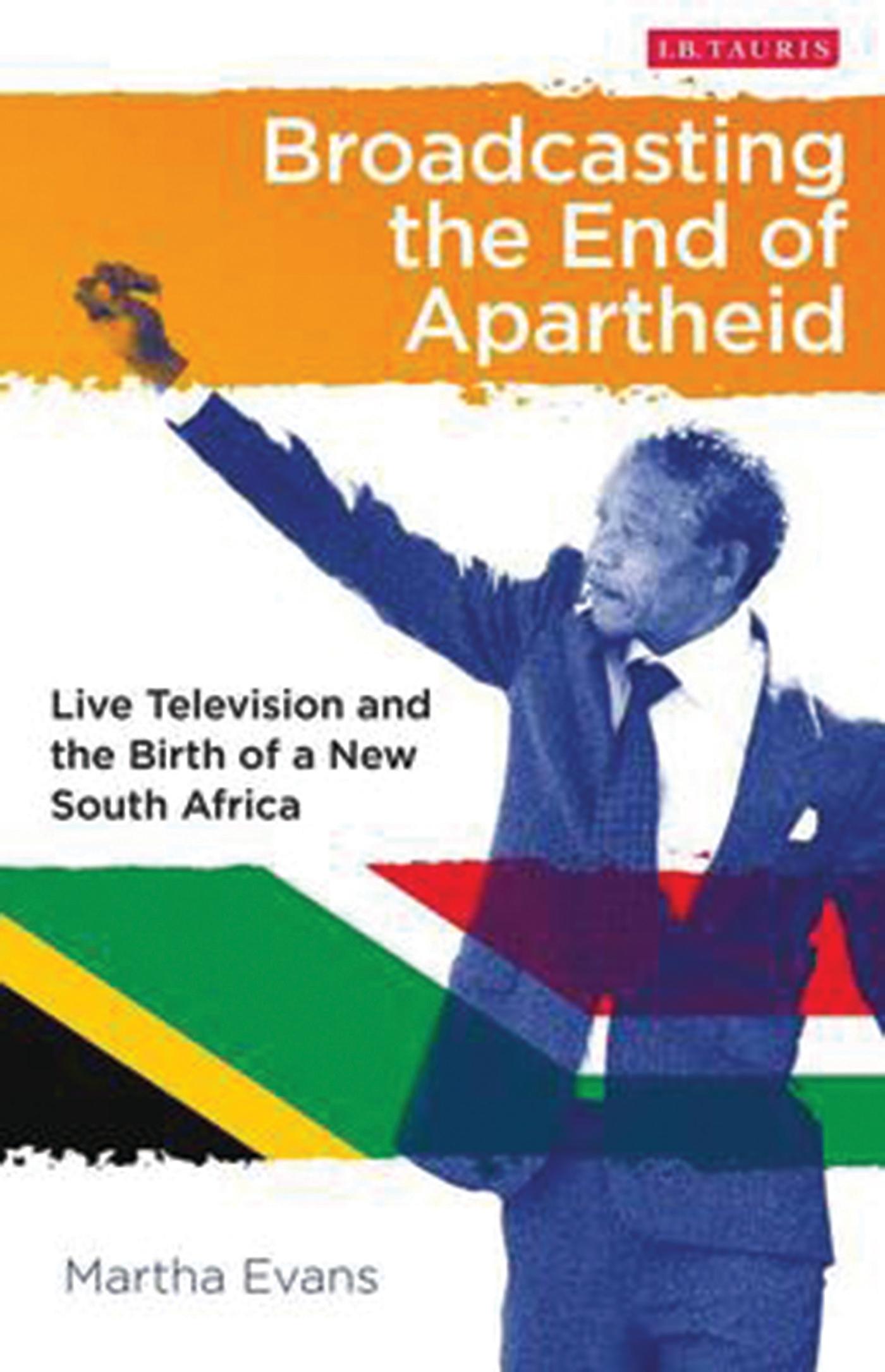
South Africa came late to television; when it finally arrived in the late 1970s the rest of the world had already begun to boycott the country because of apartheid. While the ruling National Party feared the integrative effects of television, they did not foresee how exclusion from globally unifying broadcasts would gradually erode their power. South Africa was barred from participating in some of television's greatest global attractions (including sporting events such as the Olympics and contests such as Miss World). With the release of Nelson Mandela from prison came a proliferation of large-scale live broadcasts as the country was permitted to return to international competition, and its re-admittance was played out on television screens across the world. These events were pivotal in shaping and consolidating the country's emerging post-apartheid national identity. Broadcasting the End of Apartheid assesses the socio-political effects of live broadcasting on South Africa's transition to democracy.
Martha Evans argues that just as print media had a powerful influence on the development of Afrikaner nationalism, so the 'liveness' of television helped to consolidate the post-apartheid South African national identity.
Martha Evans argues that just as print media had a powerful influence on the development of Afrikaner nationalism, so the 'liveness' of television helped to consolidate the post-apartheid South African national identity.
Paga facilmente con carta, Klarna, Apple Pay o Google Pay. Non sei soddisfatto? Hai sempre 14 giorni per il rimborso. Leggi di più nei nostri termini. Per qualsiasi domanda, scrivici a hello@memmo.org.
Memmo rende lo studio più facile, ovunque tu sia nel mondo. Qui trovi i tuoi libri di testo e strumenti di studio intelligenti, tutto in un unico posto: riassunti, quiz, podcast e flashcard. E poi c'è Ted, il tuo compagno di studio che risponde a ogni tua domanda. Oltre 50.000 studenti studiano già qui: è stato creato per aiutarti a imparare più velocemente e a stressarti meno.