
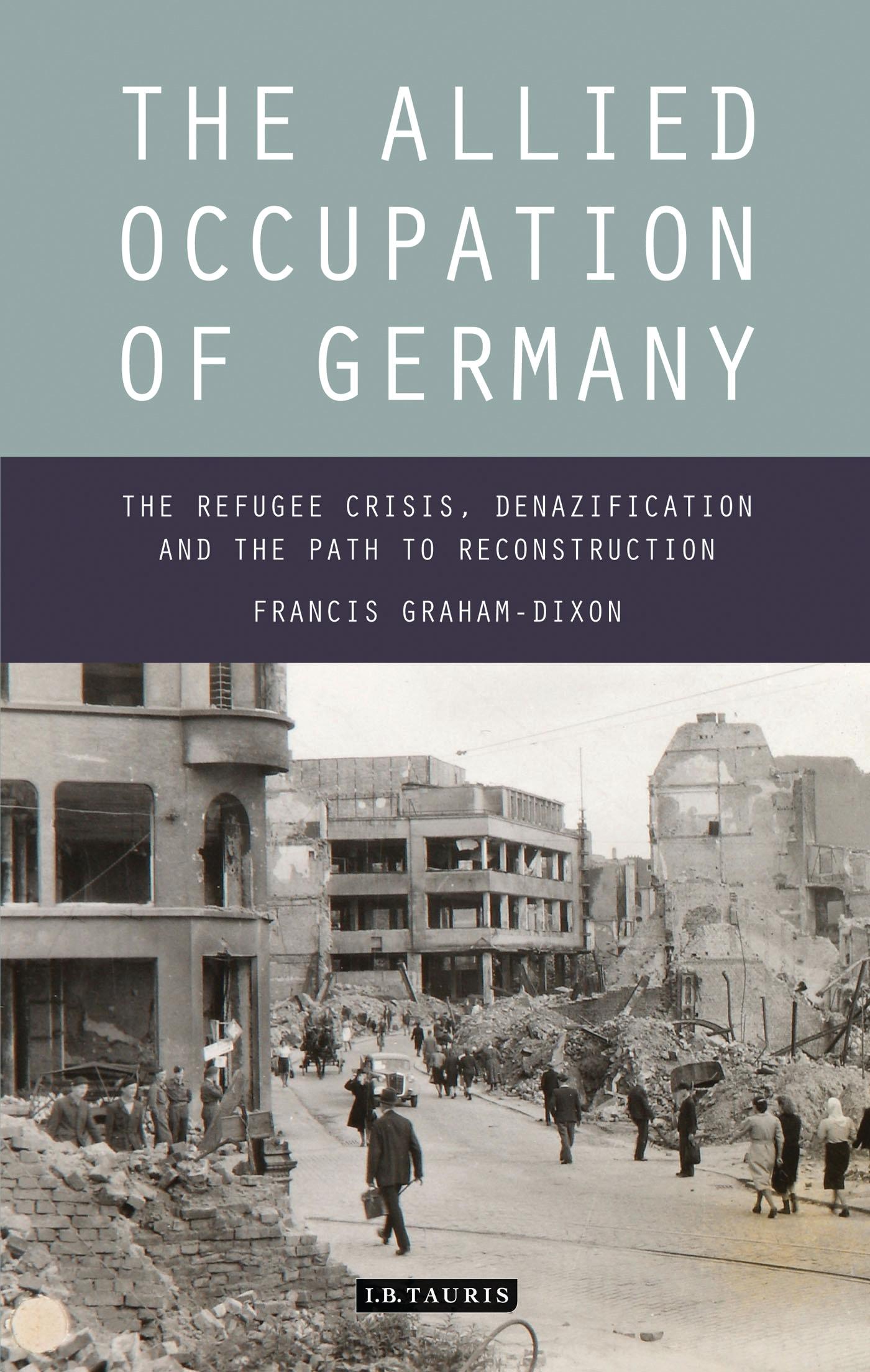
In the years following World War II, the allies occupied a shattered Germany. Britain held North-Western Germany for ten years, overseeing the rehabilitation of 'the biggest single forced population movement in modern history', as Germans from around Europe were expelled from the crumbling Third Reich. This was a humanitarian crisis - with most hospitals, houses, transport networks and schools destroyed during the war, and the British and Americans running enormous and often inhumane refugee camps. Here, Francis Graham-Dixon assesses how the British squared their ethical focus on liberalism with their status as an occupying power, and examines the economic, military and political pressures of the period through the key turning points of the end of World War II - the bombing of Hamburg in 1943, the mismanagement of the refugee camp system and the fallout between occupiers and occupied after the Nuremberg trials of 1945/6. The first book to compare German and British sources from the period, this is an essential contribution to the literature on World War II, the Cold War and post-war Europe.
Paga facilmente con carta, Klarna, Apple Pay o Google Pay. Non sei soddisfatto? Hai sempre 14 giorni per il rimborso. Leggi di più nei nostri termini. Per qualsiasi domanda, scrivici a hello@memmo.org.
Memmo rende lo studio più facile, ovunque tu sia nel mondo. Qui trovi i tuoi libri di testo e strumenti di studio intelligenti, tutto in un unico posto: riassunti, quiz, podcast e flashcard. E poi c'è Ted, il tuo compagno di studio che risponde a ogni tua domanda. Oltre 50.000 studenti studiano già qui: è stato creato per aiutarti a imparare più velocemente e a stressarti meno.