
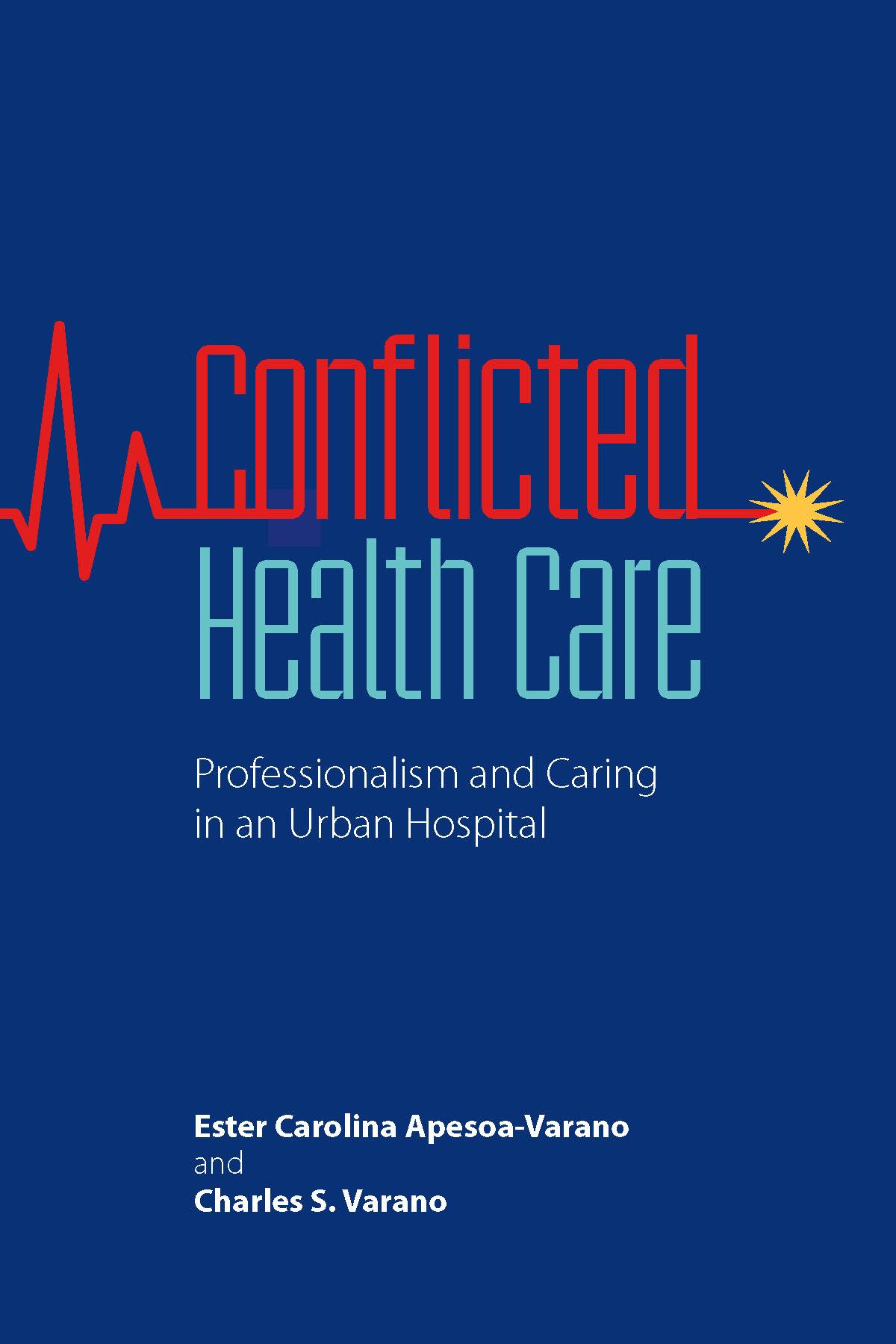
Anyone who has spent time in a hospital as a patient or family member of a patient hopes that those who attend to us or our loved ones are at their professional best and that they care for us in ways that console us and preserve our dignity. This book takes an intimate look at how health care practitioners struggle to live up to their professional and caring ideals through (or during?) twelve-hour shifts on the hospital floor.
From 3,200 hours of participant-observation and 500 hours of follow-up interviews with twenty-one doctors, thirty registered nurses, twenty-one respiratory therapists, twenty medical social workers, and eighteen occupational, physical, and speech therapists, the authors create a complex picture of the workplace conflicts that different types of health care practitioners face. Though all these groups espouse caring ideals, professional interests and a curative orientation dominate in patient care and interoccupational relations. Because emotive caring is not supported by the organization of health care in the hospital, it becomes an individual virtue that overworked staff find hard to perform, and it takes on an ideological form that obscures the status hierarchy among practitioners. Conflicts between practitioners rest upon the ranking of each group's knowledge base. They manifest in efforts to work as a team or set limits on practitioner responsibilities and in differing views on unionization.
From 3,200 hours of participant-observation and 500 hours of follow-up interviews with twenty-one doctors, thirty registered nurses, twenty-one respiratory therapists, twenty medical social workers, and eighteen occupational, physical, and speech therapists, the authors create a complex picture of the workplace conflicts that different types of health care practitioners face. Though all these groups espouse caring ideals, professional interests and a curative orientation dominate in patient care and interoccupational relations. Because emotive caring is not supported by the organization of health care in the hospital, it becomes an individual virtue that overworked staff find hard to perform, and it takes on an ideological form that obscures the status hierarchy among practitioners. Conflicts between practitioners rest upon the ranking of each group's knowledge base. They manifest in efforts to work as a team or set limits on practitioner responsibilities and in differing views on unionization.
Pagine: 208
Categoria: Sociologi
e-ISBN: 9780826502957
Peso di spedizione: 1.2 kg
Spedito in: 1-2 giorni
Paga facilmente con carta, Klarna, Apple Pay o Google Pay. Non sei soddisfatto? Hai sempre 14 giorni per il rimborso. Leggi di più nei nostri termini. Per qualsiasi domanda, scrivici a hello@memmo.org.
Memmo rende lo studio più facile, ovunque tu sia nel mondo. Qui trovi i tuoi libri di testo e strumenti di studio intelligenti, tutto in un unico posto: riassunti, quiz, podcast e flashcard. E poi c'è Ted, il tuo compagno di studio che risponde a ogni tua domanda. Oltre 50.000 studenti studiano già qui: è stato creato per aiutarti a imparare più velocemente e a stressarti meno.
Potrebbe interessarti anche
Acquista il libro0