
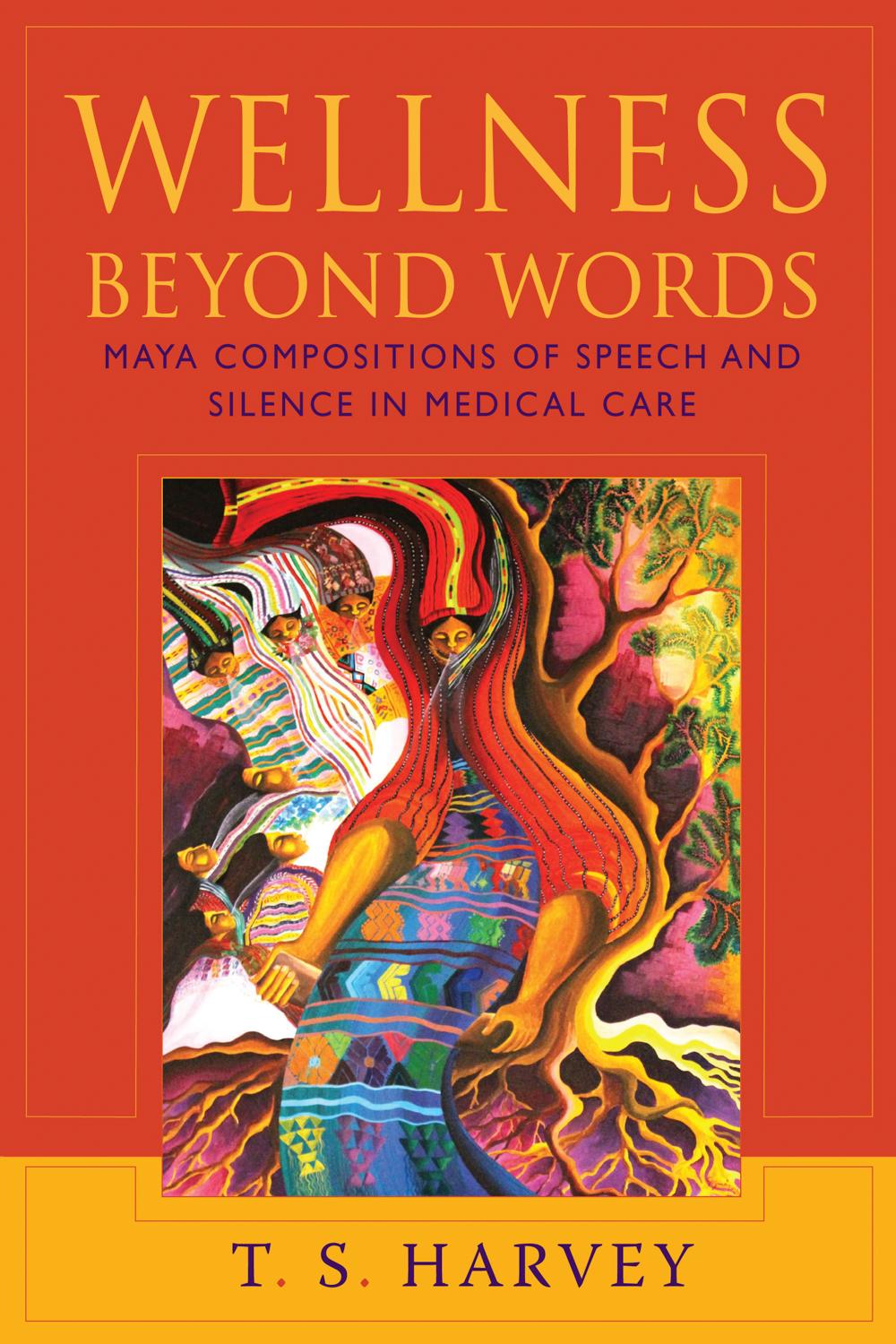
The delivery of health care can present a minefield of communication problems, particularly in cross-cultural settings where patients and health practitioners come from dissimilar cultures and speak different languages. Responding to the need for in-depth ethnographic studies in cultural and communicative competence, this anthropological account of Maya language use in health care in highland Guatemala explores some of the cultural and linguistic factors that can complicate communication in the practice of medicine. Bringing together the analytical tools of linguistic and medical anthropology, T. S. Harvey offers a rare comparative glimpse into
Maya intra-cultural therapeutic (Maya healer/Maya wellness-seeker) and cross-cultural biomedical (Ladino practitioner/Maya patient) interactions.
In Maya medical encounters, the number of participants, the plurality of their voices, and the cooperative linguistic strategies that they employ to compose illness narratives challenge conventional analytical techniques and call into question some basic assumptions about doctor-patient interactions. Harvey’s innovative approach, combining the “ethnography
of polyphony” and its complementary technique, the “polyphonic score,” reveals the complex interplay of speaking and silence during medical encounters, sociolinguistic patterns that help us avoid clinical complications connected to medical miscommunication.
Paga facilmente con carta, Klarna, Apple Pay o Google Pay. Non sei soddisfatto? Hai sempre 14 giorni per il rimborso. Leggi di più nei nostri termini. Per qualsiasi domanda, scrivici a hello@memmo.org.
Memmo rende lo studio più facile, ovunque tu sia nel mondo. Qui trovi i tuoi libri di testo e strumenti di studio intelligenti, tutto in un unico posto: riassunti, quiz, podcast e flashcard. E poi c'è Ted, il tuo compagno di studio che risponde a ogni tua domanda. Oltre 50.000 studenti studiano già qui: è stato creato per aiutarti a imparare più velocemente e a stressarti meno.