
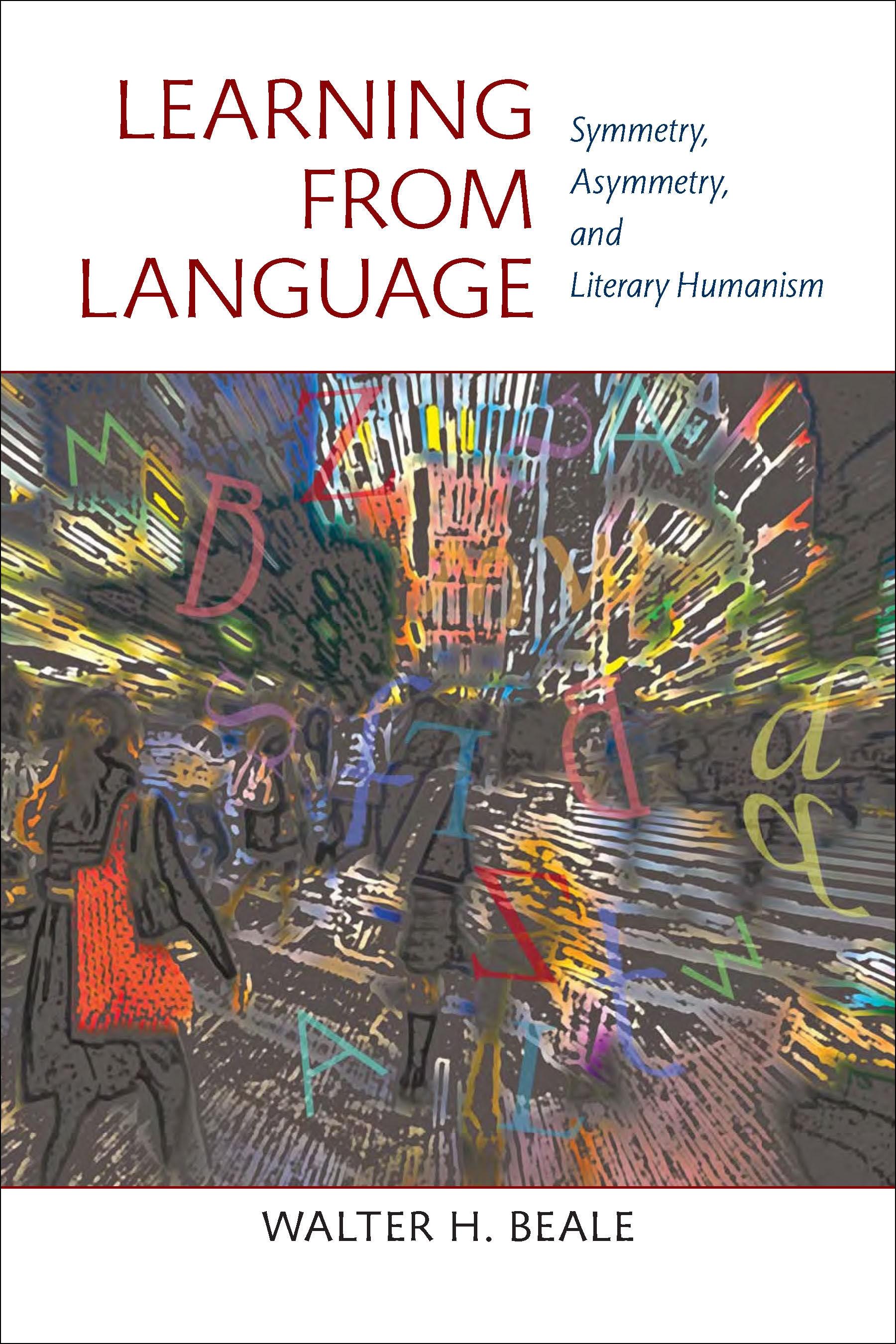
In Learning from Language, Walter H. Beale seeks to bring together the disciplines of linguistics, rhetoric, and literary studies through the concept of symmetry (how words mirror thought, society, and our vision of the world).Citing thinkers from antiquity to the present, Beale provides an in-depth study of linguistic theory, development, and practice. He views the historic division between the schools of symmetry and asymmetry (a belief that language developed as a structure independent of human experience), as built into the character of language itself, and as an impediment to literary humanism (the combined study of language, rhetoric, and literature to improve the competence and character of the individual). In his analysis, Beale outlines and critiques traditional claims of symmetry, then offers new avenues of approach to the subject. In doing so, he examines how important issues of human culture and consciousness have parallels in processes of language; how linguistic patterns relate to pervasive human problems; how language is an active participant in the expression, performance, and construction of reality; the concepts of designating versus naming; figurative language as a process of reenvisioning reality; and the linking of style to virtue by the ancients. Beale concludes that both asymmetrical and symmetrical elements exist in language, each with their own relevance, and that they are complementary, rather than opposing philosophies. The basic intuitions of symmetry that relate language to life are powerful and important to all of English studies. Combined with a love for the workings, sounds, and structures of language, Beale says, an understanding of symmetry can help guide the pursuit of literary humanism.
Categoria: Språk & Lingvistik
e-ISBN: 9780822973607
Paga facilmente con carta, Klarna, Apple Pay o Google Pay. Non sei soddisfatto? Hai sempre 14 giorni per il rimborso. Leggi di più nei nostri termini. Per qualsiasi domanda, scrivici a hello@memmo.org.
Memmo rende lo studio più facile, ovunque tu sia nel mondo. Qui trovi i tuoi libri di testo e strumenti di studio intelligenti, tutto in un unico posto: riassunti, quiz, podcast e flashcard. E poi c'è Ted, il tuo compagno di studio che risponde a ogni tua domanda. Oltre 50.000 studenti studiano già qui: è stato creato per aiutarti a imparare più velocemente e a stressarti meno.
Potrebbe interessarti anche
Acquista il libro0