
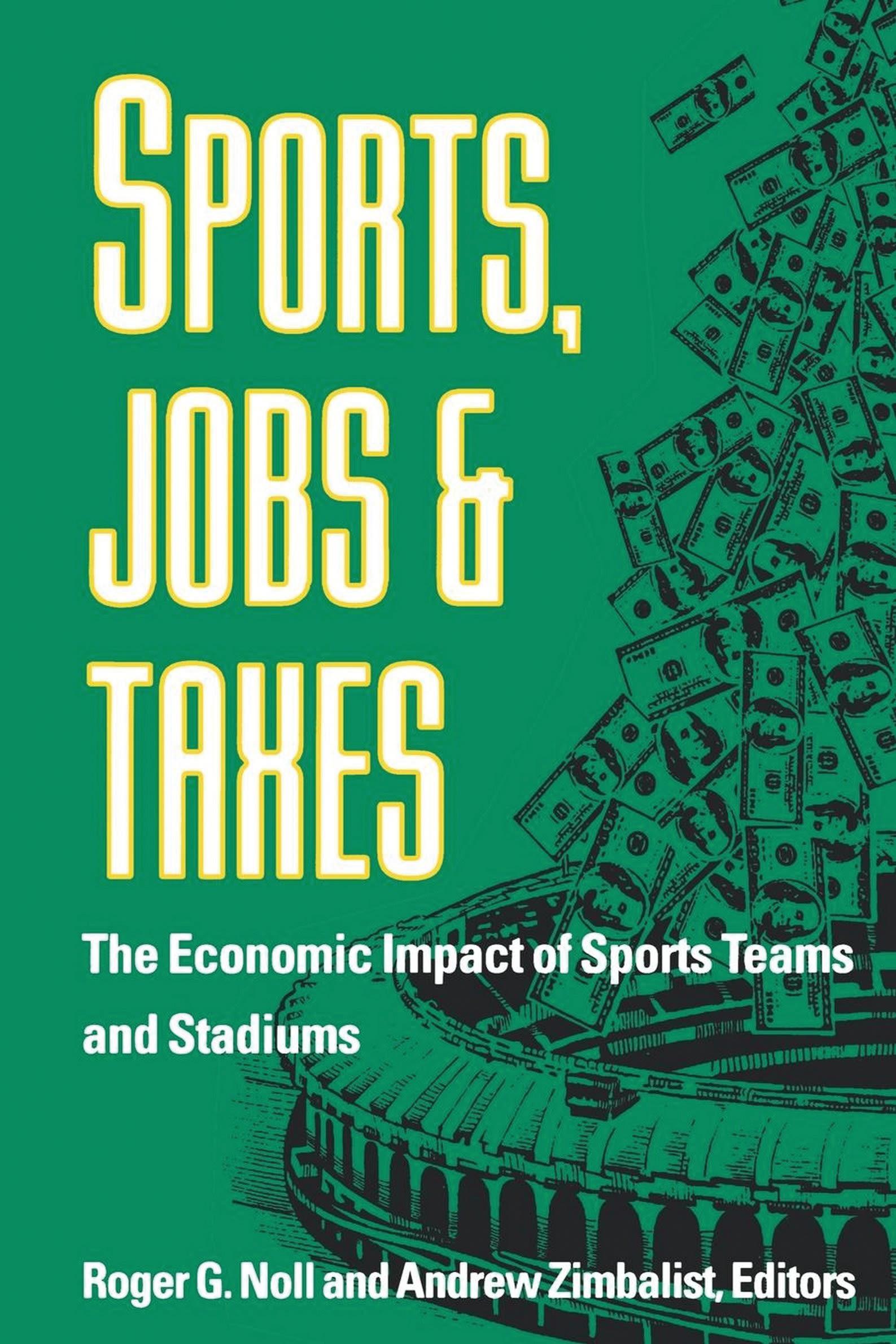
America is in the midst of a sports building boom. Professional sports teams are demanding and receiving fancy new playing facilities that are heavily subsidized by government. In many cases, the rationale given for these subsidies is that attracting or retaining a professional sports franchiseeven a minor league baseball team or a major league pre-season training facility--more than pays for itself in increased tax revenues, local economic development, and job creation.
But are these claims true? To assess the case for subsidies, this book examines the economic impact of new stadiums and the presence of a sports franchise on the local economy. It first explores such general issues as the appropriate method for measuring economic benefits and costs, the source of the bargaining power of teams in obtaining subsidies from local government, the local politics of attracting and retaining teams, the relationship between sports and local employment, and the importance of stadium design in influencing the economic impact of a facility.
The second part of the book contains case studies of major league sports facilities in Baltimore, Chicago, Cincinnati, Cleveland, Indianapolis, San Francisco, and the Twin Cities, and of minor league stadiums and spring training facilities in baseball. The primary conclusions are: first, sports teams and facilities are not a source of local economic growth and employment; second, the magnitude of the net subsidy exceeds the financial benefit of a new stadium to a team; and, third, the most plausible reasons that cities are willing to subsidize sports teams are the intense popularity of sports among a substantial proportion of voters and businesses and the leverage that teams enjoy from the monopoly position of professional sports leagues.
But are these claims true? To assess the case for subsidies, this book examines the economic impact of new stadiums and the presence of a sports franchise on the local economy. It first explores such general issues as the appropriate method for measuring economic benefits and costs, the source of the bargaining power of teams in obtaining subsidies from local government, the local politics of attracting and retaining teams, the relationship between sports and local employment, and the importance of stadium design in influencing the economic impact of a facility.
The second part of the book contains case studies of major league sports facilities in Baltimore, Chicago, Cincinnati, Cleveland, Indianapolis, San Francisco, and the Twin Cities, and of minor league stadiums and spring training facilities in baseball. The primary conclusions are: first, sports teams and facilities are not a source of local economic growth and employment; second, the magnitude of the net subsidy exceeds the financial benefit of a new stadium to a team; and, third, the most plausible reasons that cities are willing to subsidize sports teams are the intense popularity of sports among a substantial proportion of voters and businesses and the leverage that teams enjoy from the monopoly position of professional sports leagues.
Paga facilmente con carta, Klarna, Apple Pay o Google Pay. Non sei soddisfatto? Hai sempre 14 giorni per il rimborso. Leggi di più nei nostri termini. Per qualsiasi domanda, scrivici a hello@memmo.org.
Memmo rende lo studio più facile, ovunque tu sia nel mondo. Qui trovi i tuoi libri di testo e strumenti di studio intelligenti, tutto in un unico posto: riassunti, quiz, podcast e flashcard. E poi c'è Ted, il tuo compagno di studio che risponde a ogni tua domanda. Oltre 50.000 studenti studiano già qui: è stato creato per aiutarti a imparare più velocemente e a stressarti meno.