
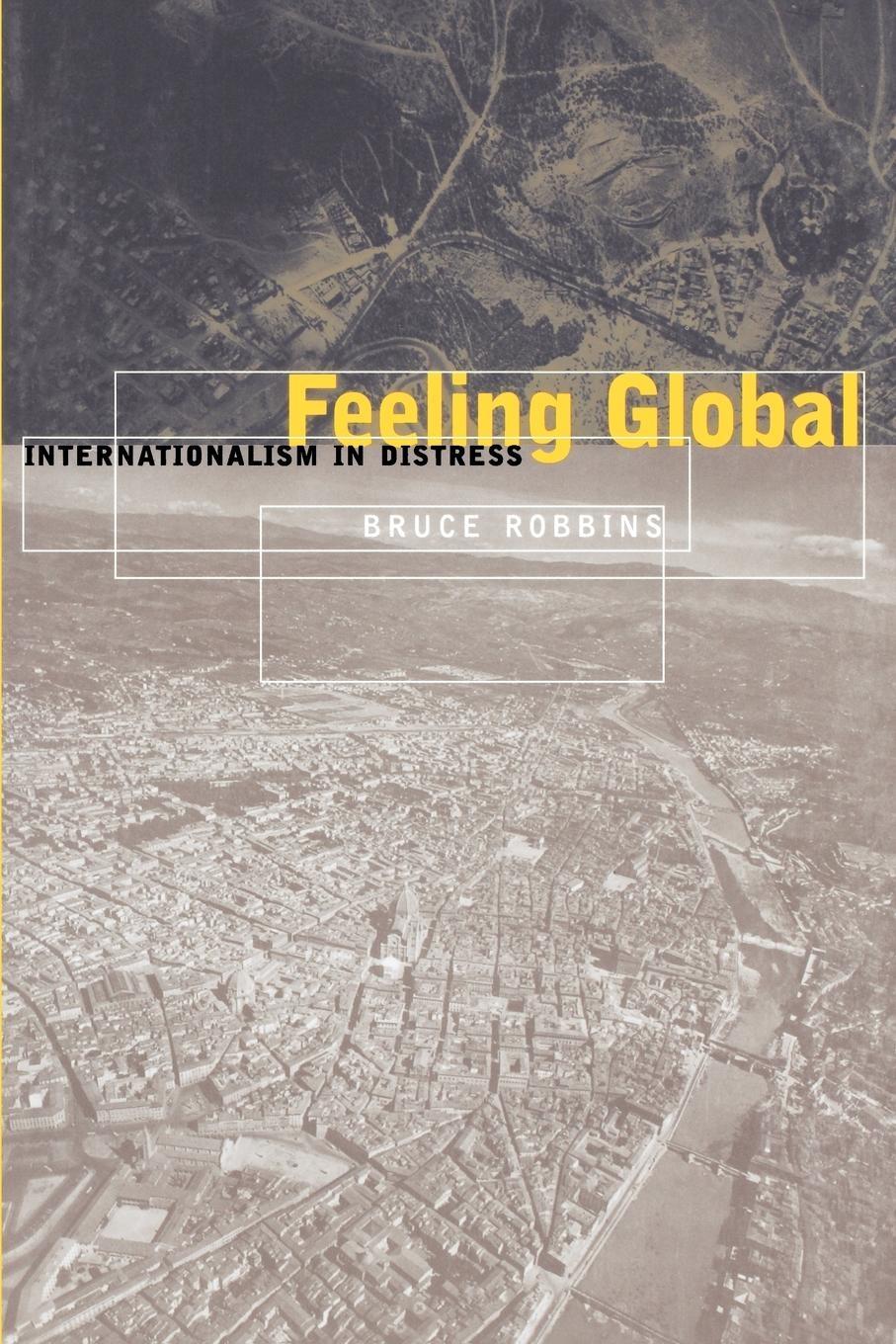
Is global culture merely a pale and sinister reflection of capitalist globalization? Bruce Robbins responds to this and other questions in Feeling Global, a crucial document on nationalism, culturalism, and the role of intellectuals in the age of globalization.
Building on his previous work, Robbins here takes up the question of the status of international human rights. Robbins' conception of internationalism is driven not only by the imperatives of global human rights policy, but by an understanding of transnational cultures, thus linking practical policymaking to cultural politics at the expense of neither. Robbins' cultural criticism, in other words, affords us much more than an understanding of how culture "shapes our lives." Instead, Robbins shows, particularly in his discussions of Martha Nussbaum, Richard Rorty, Susan Sontag, Michael Walzer and others, how "culture" itself has become a term that blocks—for commentators on both the right and the left—serious engagement with the contemporary cosmopolitan ideal of a nonuniversalist discourse of human rights.
Rescuing "cosmopolitanism" itself from its connotations of leisured individuals loyal to no one and willing to sample all cultures at will, Feeling Global presents a compelling way to think about the ethical obligations of intellectuals at a time when their place in the new world order is profoundly uncertain.
Paga facilmente con carta, Klarna, Apple Pay o Google Pay. Non sei soddisfatto? Hai sempre 14 giorni per il rimborso. Leggi di più nei nostri termini. Per qualsiasi domanda, scrivici a hello@memmo.org.
Memmo rende lo studio più facile, ovunque tu sia nel mondo. Qui trovi i tuoi libri di testo e strumenti di studio intelligenti, tutto in un unico posto: riassunti, quiz, podcast e flashcard. E poi c'è Ted, il tuo compagno di studio che risponde a ogni tua domanda. Oltre 50.000 studenti studiano già qui: è stato creato per aiutarti a imparare più velocemente e a stressarti meno.