
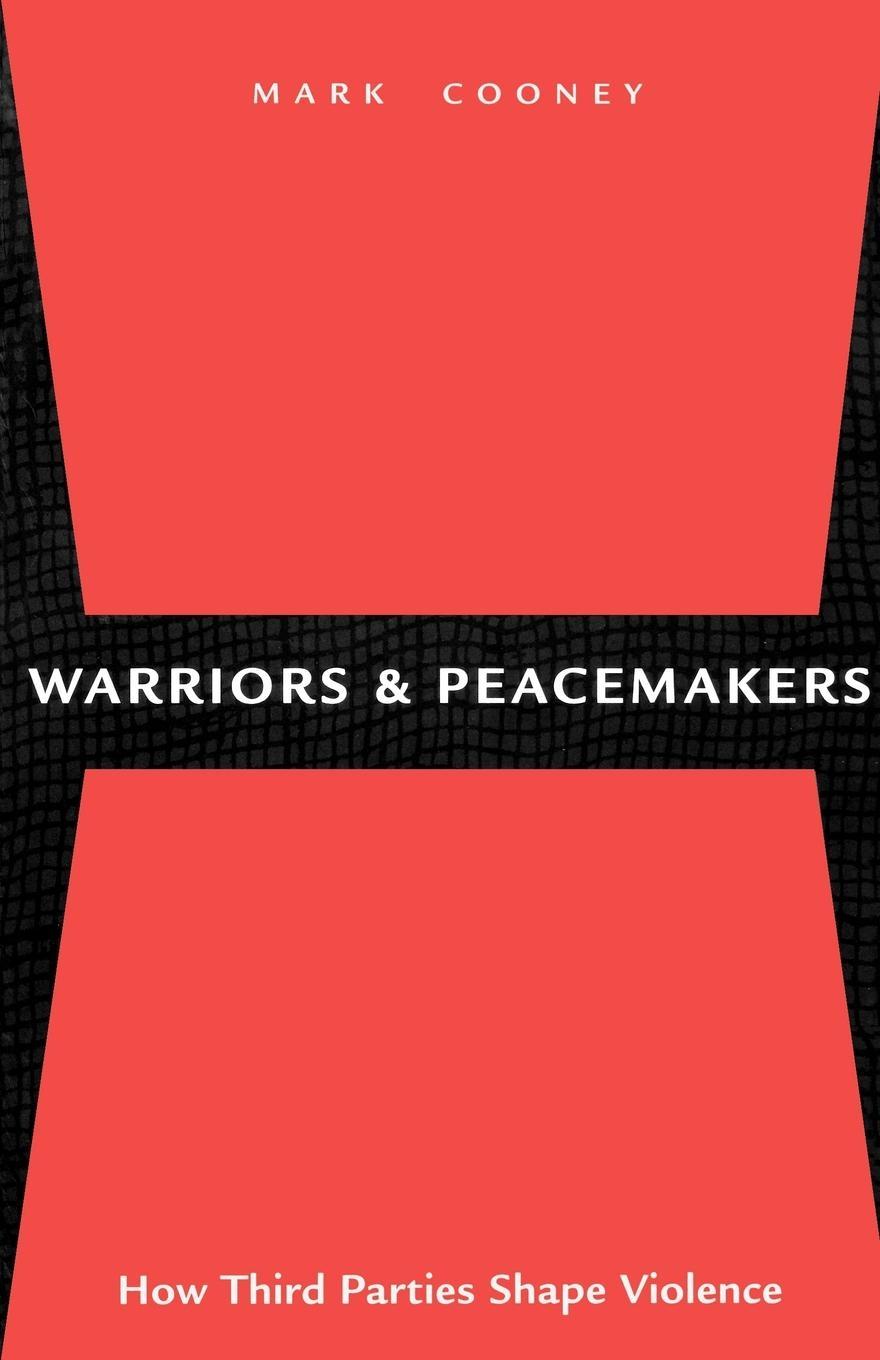
Why do some conflicts escalate into violence while others dissipate harmlessly? Under what circumstances will people kill, and why?
While homicide has been viewed largely in the pathological terms of "crime" and "deviance," violence, Mark Cooney contends, is a naturally-occurring form of conflict found throughout history and across cultures under certain social conditions. Cooney has analyzed the social control of homicide within and across over 30 societies and interviewed several dozens of prisoners incarcerated for murder or manslaughter, as well as members of their families. Violence such as homicide can only be understood, he argues, by transcending the traditional focus on the social characteristics of the killer and victims, and by looking at the role played by family members, friends, neighbors, onlookers, police officers, and judges. These third parties can be a source of peace or violence, depending on how they are configured in particular cases. Violence flourishes, Cooney demonstrates, when authority is either very strong or very weak and when third-party ties are strong and boundaries between groups sharply defined.
Drawing on recent theory in the lively new sociological speciality of conflict management, Mark Cooney has culled a vast array of evidence from modern and preindustrial societies to provide us with the first general sociological analysis of human violence.
Paga facilmente con carta, Klarna, Apple Pay o Google Pay. Non sei soddisfatto? Hai sempre 14 giorni per il rimborso. Leggi di più nei nostri termini. Per qualsiasi domanda, scrivici a hello@memmo.org.
Memmo rende lo studio più facile, ovunque tu sia nel mondo. Qui trovi i tuoi libri di testo e strumenti di studio intelligenti, tutto in un unico posto: riassunti, quiz, podcast e flashcard. E poi c'è Ted, il tuo compagno di studio che risponde a ogni tua domanda. Oltre 50.000 studenti studiano già qui: è stato creato per aiutarti a imparare più velocemente e a stressarti meno.