
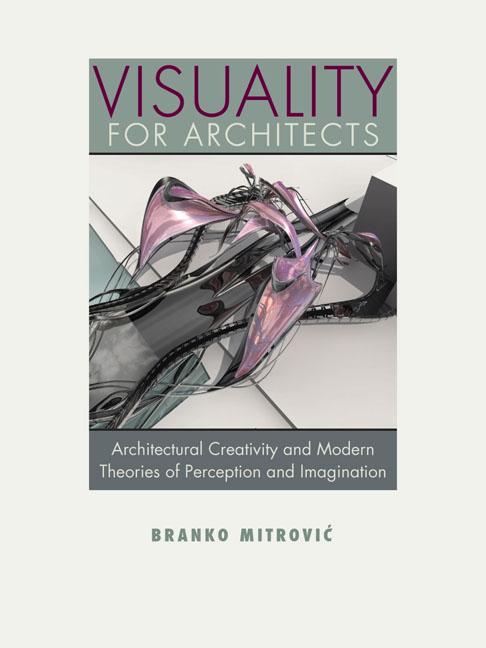
What is more important in architectural works—their form, shape, and color, or the meanings and symbolism that can be associated with them? Can aesthetic judgments of architecture be independent of the stories one can tell about buildings? Do non-architects perceive buildings in the same way as do architects?
For the greater part of the twentieth century it was common to respond to these and similar questions by relying on psychological theories asserting there is no innocent eye, that we think only in language, and that human visuality results from preexisting, conceptual knowledge. Dramatic breakthroughs in philosophy and psychology over the past two decades, however, have shown us that human visuality functions for the most part independently of conceptual thinking and language.
This book examines the ways in which new theories of human visuality create a different understanding of architectural design, practice, and education. This new understanding coincides with and supports formalist approaches to architecture that have become influential in recent years as a result of the digital revolution in architectural design.
Paga facilmente con carta, Klarna, Apple Pay o Google Pay. Non sei soddisfatto? Hai sempre 14 giorni per il rimborso. Leggi di più nei nostri termini. Per qualsiasi domanda, scrivici a hello@memmo.org.
Memmo rende lo studio più facile, ovunque tu sia nel mondo. Qui trovi i tuoi libri di testo e strumenti di studio intelligenti, tutto in un unico posto: riassunti, quiz, podcast e flashcard. E poi c'è Ted, il tuo compagno di studio che risponde a ogni tua domanda. Oltre 50.000 studenti studiano già qui: è stato creato per aiutarti a imparare più velocemente e a stressarti meno.