
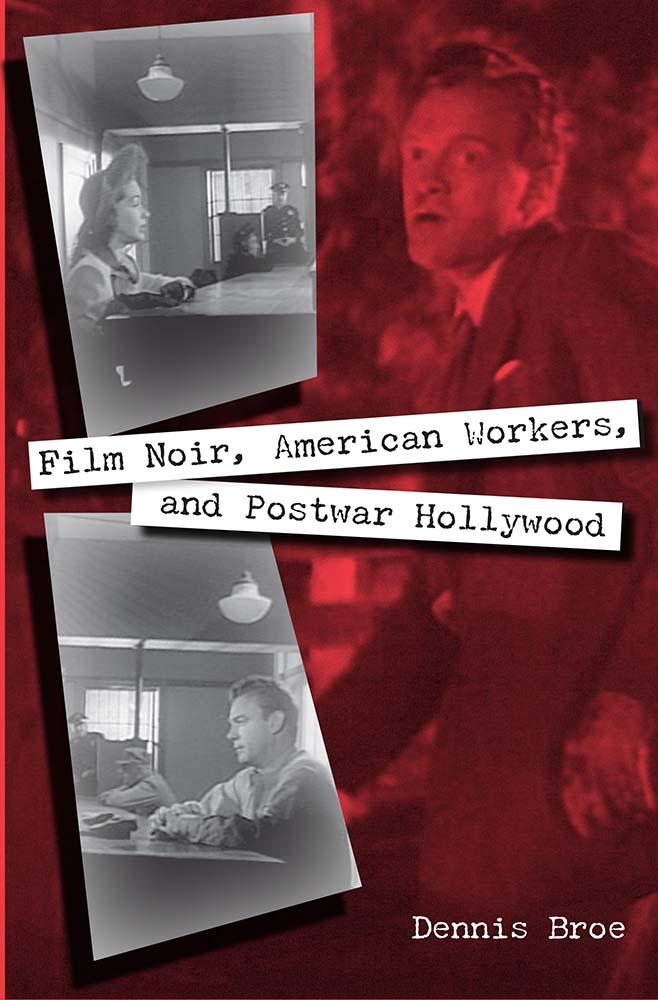
Film noir, which flourished in 1940s and 50s, reflected the struggles and sentiments of postwar America. Dennis Broe contends that the genre, with its emphasis on dark subject matter, paralleled the class conflict in labor and union movements that dominated the period.
By following the evolution of film noir during the years following World War II, Broe illustrates how the noir figure represents labor as a whole. In the 1940s, both radicalized union members and protagonists of noir films were hunted and pursued by the law. Later, as labor unions achieve broad acceptance and respectability, the central noir figure shifts from fugitive criminal to law-abiding cop.
Expanding his investigation into the Cold War and post-9/11 America, Broe extends his analysis of the ways film noir is intimately connected to labor history. A brilliant, interdisciplinary examination, this is a work that will appeal to a broad spectrum of readers.
Paga facilmente con carta, Klarna, Apple Pay o Google Pay. Non sei soddisfatto? Hai sempre 14 giorni per il rimborso. Leggi di più nei nostri termini. Per qualsiasi domanda, scrivici a hello@memmo.org.
Memmo rende lo studio più facile, ovunque tu sia nel mondo. Qui trovi i tuoi libri di testo e strumenti di studio intelligenti, tutto in un unico posto: riassunti, quiz, podcast e flashcard. E poi c'è Ted, il tuo compagno di studio che risponde a ogni tua domanda. Oltre 50.000 studenti studiano già qui: è stato creato per aiutarti a imparare più velocemente e a stressarti meno.