
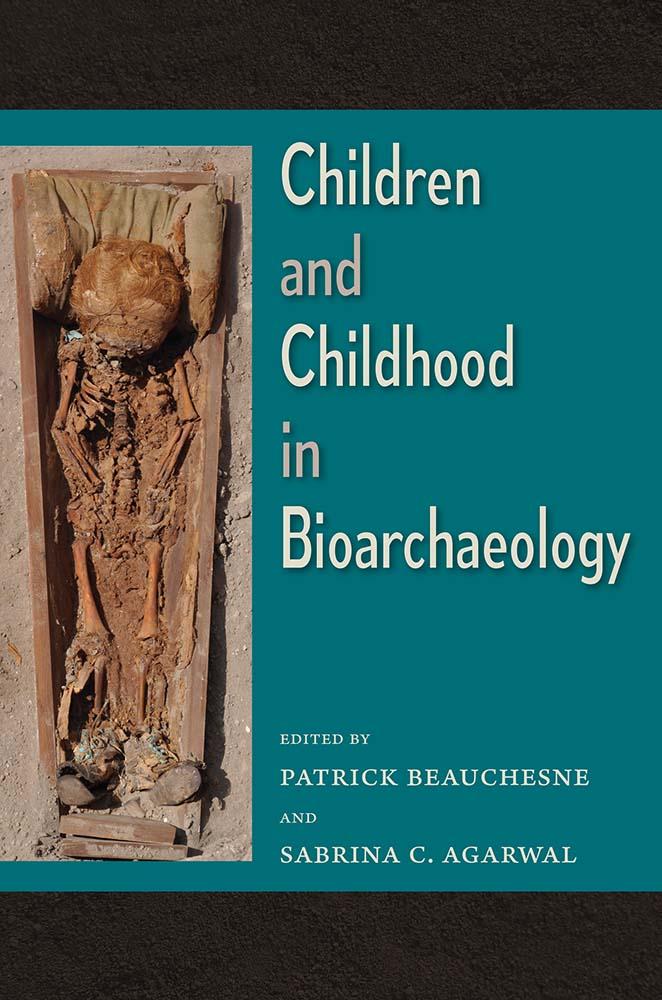
As researchers become increasingly interested in studying the lives of children in antiquity, this volume argues for the importance of a collaborative biocultural approach. Contributors draw on fields including skeletal biology and physiology, archaeology, sociocultural anthropology, pediatrics, and psychology to show that a diversity of research methods is the best way to illuminate the complexities of childhood.
Contributors and case studies span the globe with locations including Egypt, Turkey, Italy, England, Japan, Peru, Bolivia, Canada, and the United States. Time periods range from the Neolithic to the Industrial Revolution. Leading experts in the bioarchaeology of childhood investigate breastfeeding and weaning trends of the past 10,000 years; mortuary data from child burials; skeletal trauma and stress events; bone size, shape, and growth; plasticity; and dietary histories.
Emphasizing a life course approach and developmental perspective, this volume's interdisciplinary nature marks a paradigm shift in the way children of the past are studied. It points the way forward to a better understanding of childhood as a dynamic lived experience both physically and socially.
A volume in the series Bioarchaeological Interpretations of the Human Past: Local, Regional, and Global Perspectives, edited by Clark Spencer Larsen Contributors: Sabrina C. Agarwal | Patrick Beauchesne | Tina Moffat | Tracy Prowse | Dan Temple | Marla Toyne | Haagen D. Klaus | Siân Halcrow | Raelene Inglis | Rebecca Gowland | Sophie L. Newman | Jessica Pearson | James H. Gosman | David A. Raichlen | Tim Ryan | Tosha L. Dupras | Lana J. Williams | Sandra M. Wheeler | Carl Henrik Langebaek Rueda | Melanie J. MillerPaga facilmente con carta, Klarna, Apple Pay o Google Pay. Non sei soddisfatto? Hai sempre 14 giorni per il rimborso. Leggi di più nei nostri termini. Per qualsiasi domanda, scrivici a hello@memmo.org.
Memmo rende lo studio più facile, ovunque tu sia nel mondo. Qui trovi i tuoi libri di testo e strumenti di studio intelligenti, tutto in un unico posto: riassunti, quiz, podcast e flashcard. E poi c'è Ted, il tuo compagno di studio che risponde a ogni tua domanda. Oltre 50.000 studenti studiano già qui: è stato creato per aiutarti a imparare più velocemente e a stressarti meno.