
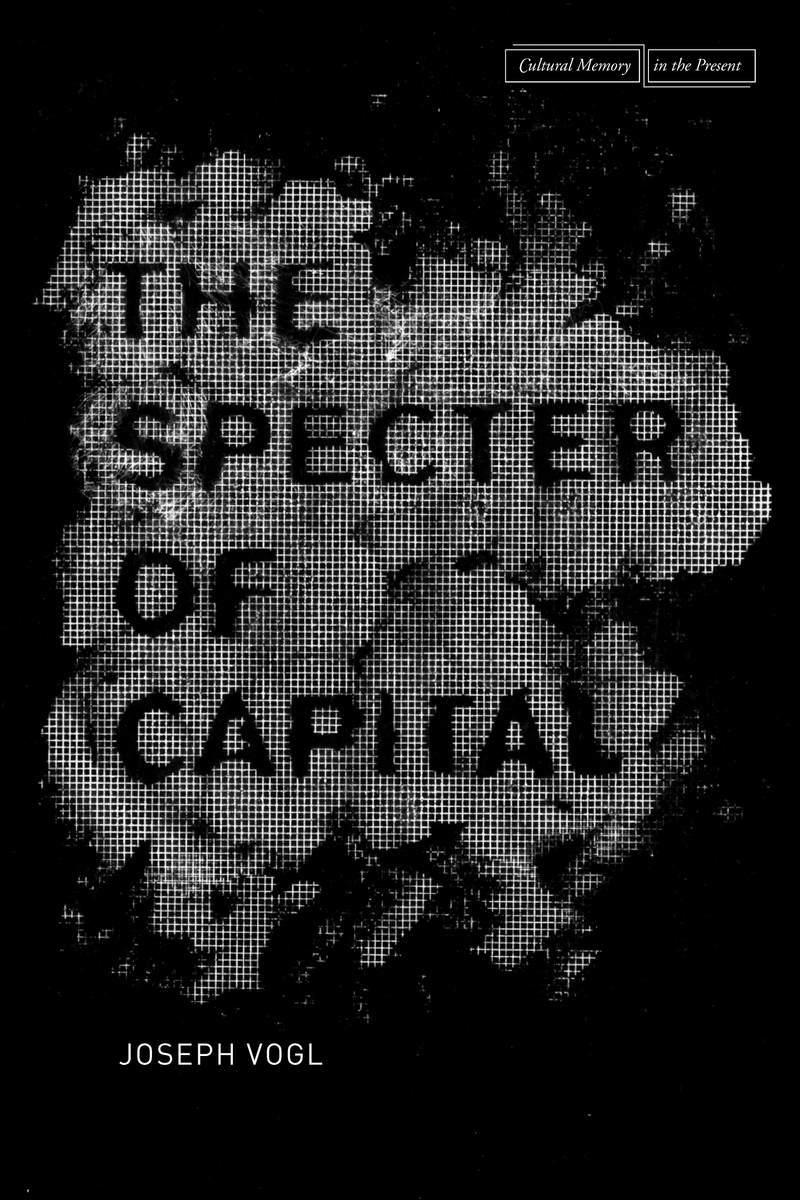
In his brilliant interdisciplinary analysis of the global financial crisis, Joseph Vogl aims to demystify finance capitalism—with its bewildering array of new instruments—by tracing the historical stages through which the financial market achieved its current autonomy. Classical and neoclassical economic theorists have played a decisive role here. Ignoring early warnings about the instability of speculative finance markets, they have persisted in their belief in the inherent equilibrium of the market, describing even major crises as mere aberrations or adjustments and rationalizing dubious financial practices that escalate risk while seeking to manage it.
"The market knows best": this is a secular version of Adam Smith's faith in the market's "invisible hand," his economic interpretation of eighteenth-century providentialist theodicy, which subsequently hardened into an "oikodicy," an unquestioning belief in the self-regulating beneficence of market forces. Vogl shows that financial theory, assisted by mathematical modeling and digital technology, itself operates as a "hidden hand," pushing economic reality into unknown territory. He challenges economic theorists to move beyond the neoclassical paradigm to discern the true contours of the current epoch of financial convulsions.
Paga facilmente con carta, Klarna, Apple Pay o Google Pay. Non sei soddisfatto? Hai sempre 14 giorni per il rimborso. Leggi di più nei nostri termini. Per qualsiasi domanda, scrivici a hello@memmo.org.
Memmo rende lo studio più facile, ovunque tu sia nel mondo. Qui trovi i tuoi libri di testo e strumenti di studio intelligenti, tutto in un unico posto: riassunti, quiz, podcast e flashcard. E poi c'è Ted, il tuo compagno di studio che risponde a ogni tua domanda. Oltre 50.000 studenti studiano già qui: è stato creato per aiutarti a imparare più velocemente e a stressarti meno.