
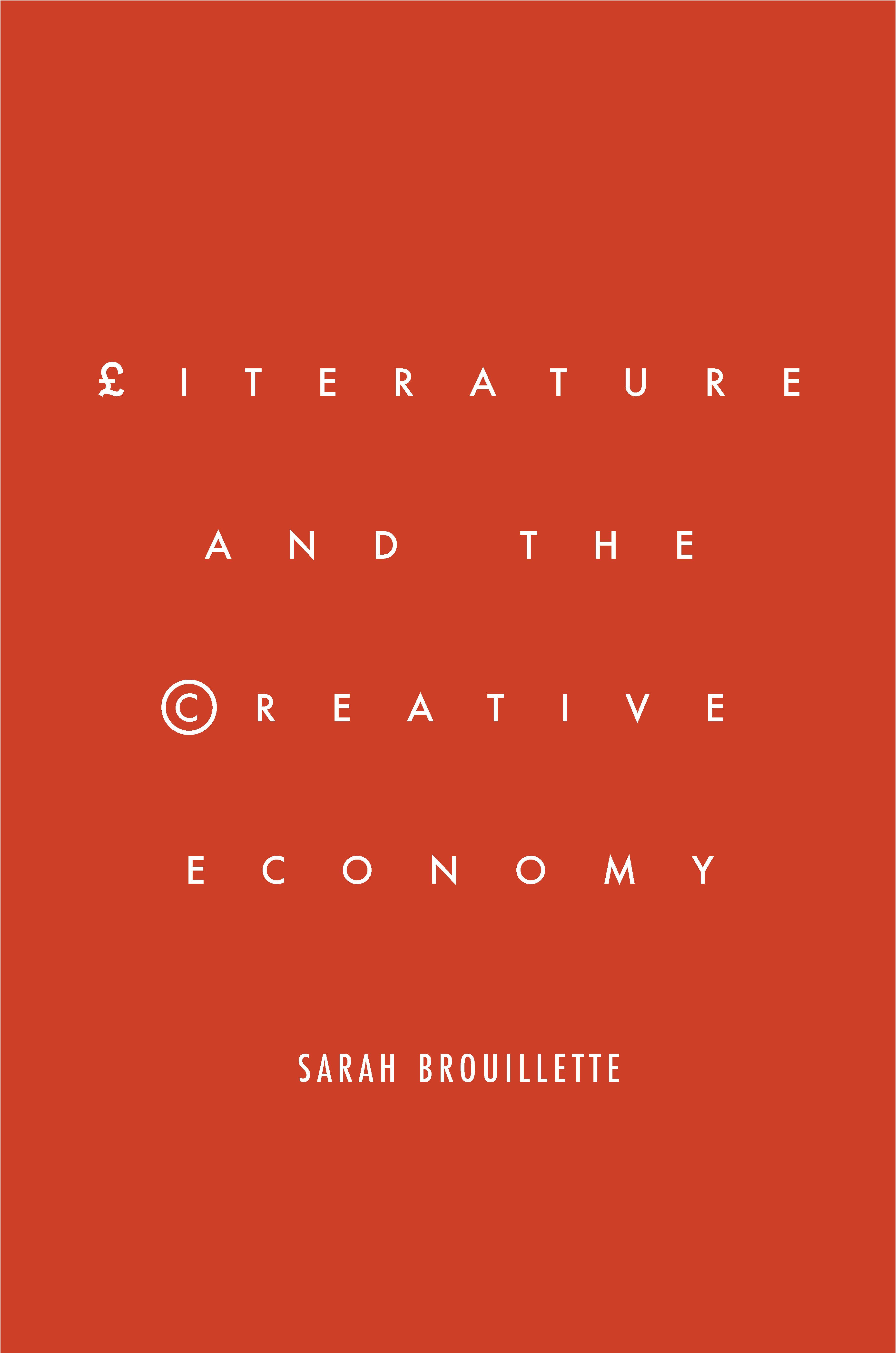
This book contends that mainstream considerations of the economic and social force of culture, including theories of the creative class and of cognitive and immaterial labor, are indebted to historic conceptions of the art of literary authorship. It shows how contemporary literature has been involved in and has responded to creative-economy phenomena, including the presentation of artists as models of contentedly flexible and self-managed work, the treatment of training in and exposure to art as a pathway to social inclusion, the use of culture and cultural institutions to increase property values, and support for cultural diversity as a means of growing cultural markets.
Contemporary writers have tended to explore how their own critical capacities have become compatible with or even essential to a neoliberal economy that has embraced art's autonomous gestures as proof that authentic self-articulation and social engagement can and should occur within capitalism. Taking a sociological approach to literary criticism, Sarah Brouillette interprets major works of contemporary fiction by Monica Ali, Aravind Adiga, Daljit Nagra, and Ian McEwan alongside government policy, social science, and theoretical explorations of creative work and immaterial labor.
Paga facilmente con carta, Klarna, Apple Pay o Google Pay. Non sei soddisfatto? Hai sempre 14 giorni per il rimborso. Leggi di più nei nostri termini. Per qualsiasi domanda, scrivici a hello@memmo.org.
Memmo rende lo studio più facile, ovunque tu sia nel mondo. Qui trovi i tuoi libri di testo e strumenti di studio intelligenti, tutto in un unico posto: riassunti, quiz, podcast e flashcard. E poi c'è Ted, il tuo compagno di studio che risponde a ogni tua domanda. Oltre 50.000 studenti studiano già qui: è stato creato per aiutarti a imparare più velocemente e a stressarti meno.