
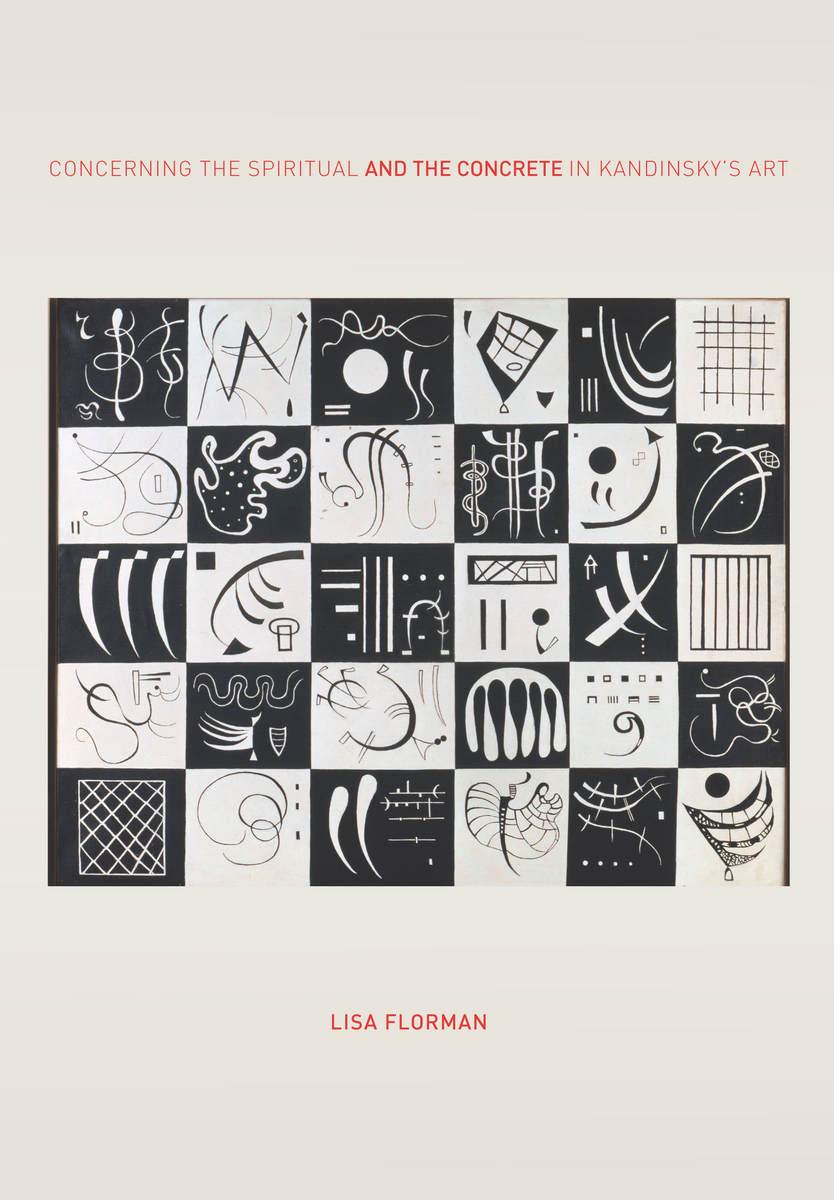
This book examines the art and writings of Wassily Kandinsky, who is widely regarded as one of the first artists to produce non-representational paintings. Crucial to an understanding of Kandinsky's intentions is On the Spiritual in Art, the celebrated essay he published in 1911. Where most scholars have taken its repeated references to "spirit" as signaling quasi-religious or mystical concerns, Florman argues instead that Kandinsky's primary frame of reference was G.W.F. Hegel's Aesthetics, in which art had similarly been presented as a vehicle for the developing self-consciousness of spirit (or Geist, in German). In addition to close readings of Kandinsky's writings, the book also includes a discussion of a 1936 essay on the artist's paintings written by his own nephew, philosopher Alexandre Kojève, the foremost Hegel scholar in France at that time. It also provides detailed analyses of individual paintings by Kandinsky, demonstrating how the development of his oeuvre challenges Hegel's views on modern art, yet operates in much the same manner as does Hegel's philosophical system. Through the work of a single, crucial artist, Florman presents a radical new account of why painting turned to abstraction in the early years of the twentieth century.
Paga facilmente con carta, Klarna, Apple Pay o Google Pay. Non sei soddisfatto? Hai sempre 14 giorni per il rimborso. Leggi di più nei nostri termini. Per qualsiasi domanda, scrivici a hello@memmo.org.
Memmo rende lo studio più facile, ovunque tu sia nel mondo. Qui trovi i tuoi libri di testo e strumenti di studio intelligenti, tutto in un unico posto: riassunti, quiz, podcast e flashcard. E poi c'è Ted, il tuo compagno di studio che risponde a ogni tua domanda. Oltre 50.000 studenti studiano già qui: è stato creato per aiutarti a imparare più velocemente e a stressarti meno.