
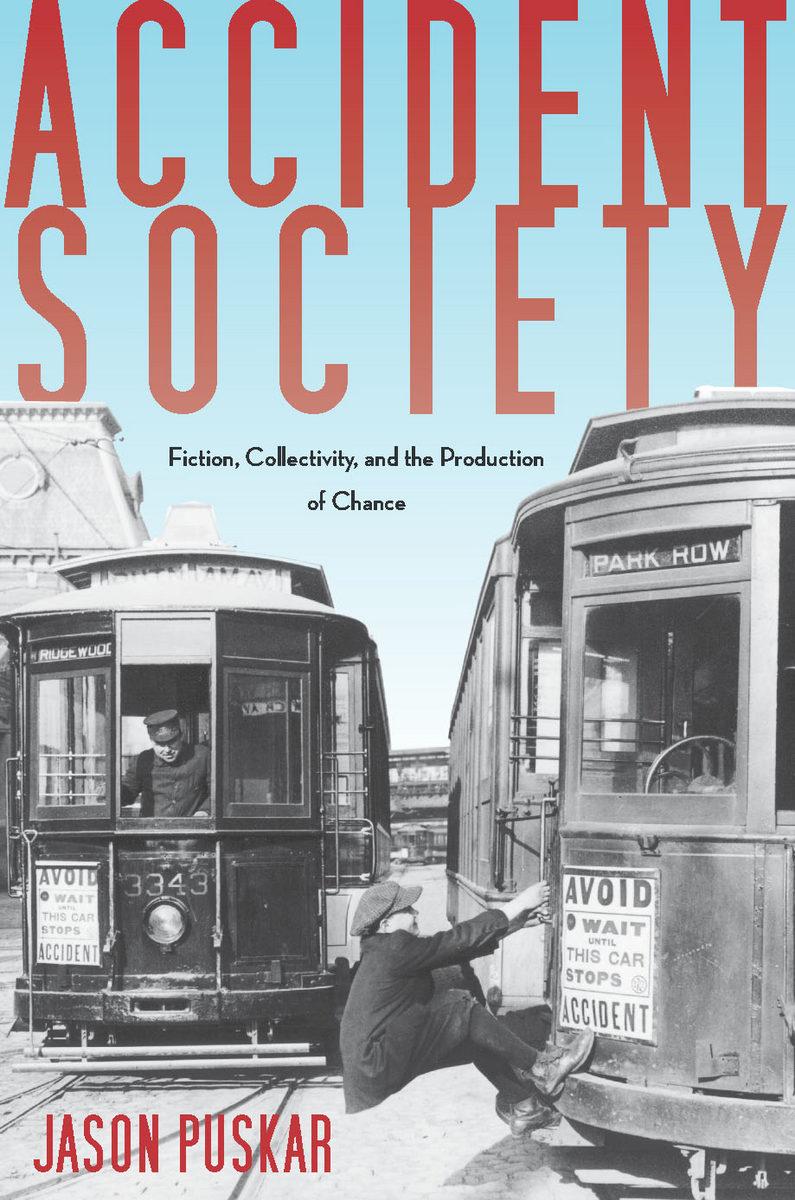
This book argues that language and literature actively produced chance in the late nineteenth and early twentieth centuries by categorizing injuries and losses as innocent of design. Automobile collisions and occupational injuries became "car accidents" and "industrial accidents." During the post-Civil War period of racial, ethnic, and class-based hostility, chance was an abstract enemy against which society might unite. By producing chance, novels by William Dean Howells, Stephen Crane, Anna Katharine Green, Edith Wharton, Theodore Dreiser, and James Cain documented and helped establish new modes of collective interdependence. Chance here is connected not with the competitive individualism of the Gilded Age, but with important progressive and social democratic reforms, including developments in insurance, which had long employed accident narratives to shape its own "mutual society." Accident Society reveals the extent to which American collectivity has depended—and continues to depend—on the literary production of chance.
Paga facilmente con carta, Klarna, Apple Pay o Google Pay. Non sei soddisfatto? Hai sempre 14 giorni per il rimborso. Leggi di più nei nostri termini. Per qualsiasi domanda, scrivici a hello@memmo.org.
Memmo rende lo studio più facile, ovunque tu sia nel mondo. Qui trovi i tuoi libri di testo e strumenti di studio intelligenti, tutto in un unico posto: riassunti, quiz, podcast e flashcard. E poi c'è Ted, il tuo compagno di studio che risponde a ogni tua domanda. Oltre 50.000 studenti studiano già qui: è stato creato per aiutarti a imparare più velocemente e a stressarti meno.