
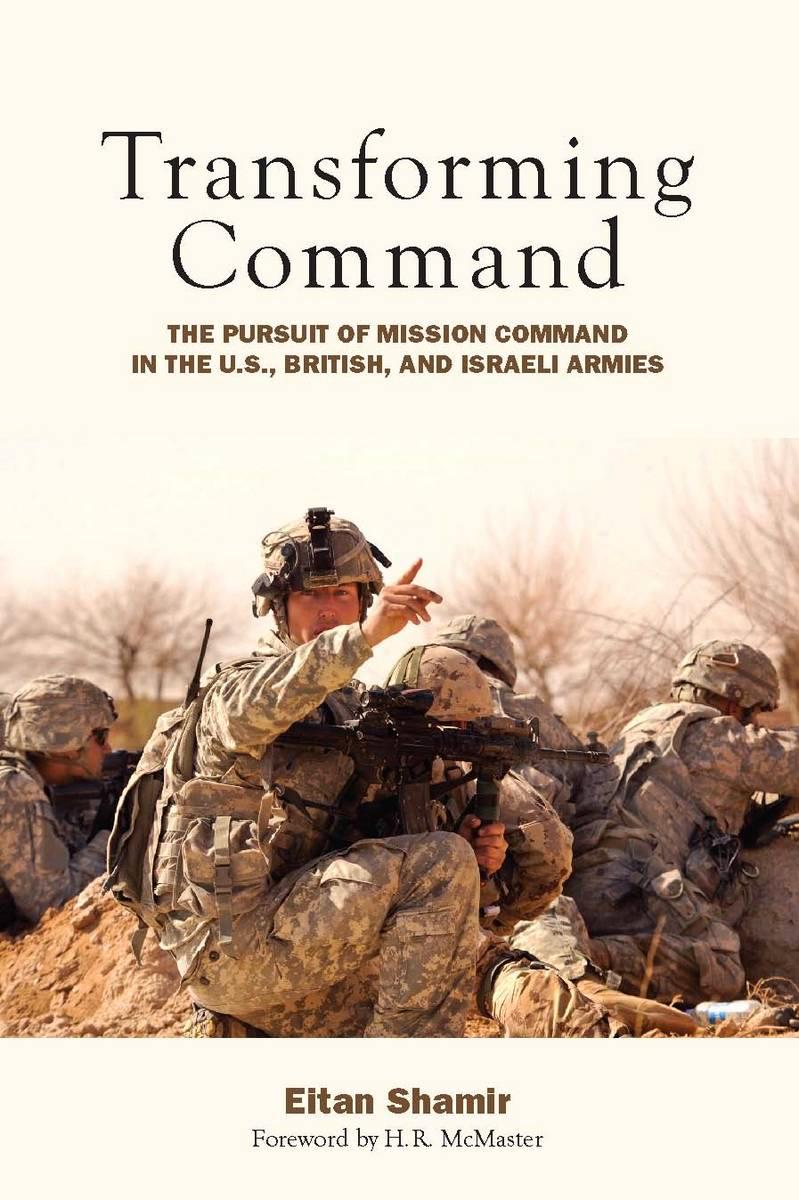
On today's complex, fragmented, fast-moving battlefield, where combatants adapt constantly to exploit one-another's weaknesses, there is a demonstrable requirement for military commanders to devolve a high level of autonomy of decision-making and action to leaders on the ground. An effective model for doing this has existed for some time in the form of mission command and has been utilized by the U.S., Israeli, and British Armies—but with mixed success.
This book examines in depth the experiences of the armed forces of each of these countries in implementing mission command, and reveals the key factors that have determined the success or failure of the implementation—factors such as the Revolution in Military Affairs (RMA), the spread of low-intensity conflicts and operations other than war, and differences in how military cultures interpret, articulate, and exercise the command function. It has significant implications for both the development of military doctrine and the training and education of tomorrow's military leaders.
Paga facilmente con carta, Klarna, Apple Pay o Google Pay. Non sei soddisfatto? Hai sempre 14 giorni per il rimborso. Leggi di più nei nostri termini. Per qualsiasi domanda, scrivici a hello@memmo.org.
Memmo rende lo studio più facile, ovunque tu sia nel mondo. Qui trovi i tuoi libri di testo e strumenti di studio intelligenti, tutto in un unico posto: riassunti, quiz, podcast e flashcard. E poi c'è Ted, il tuo compagno di studio che risponde a ogni tua domanda. Oltre 50.000 studenti studiano già qui: è stato creato per aiutarti a imparare più velocemente e a stressarti meno.