
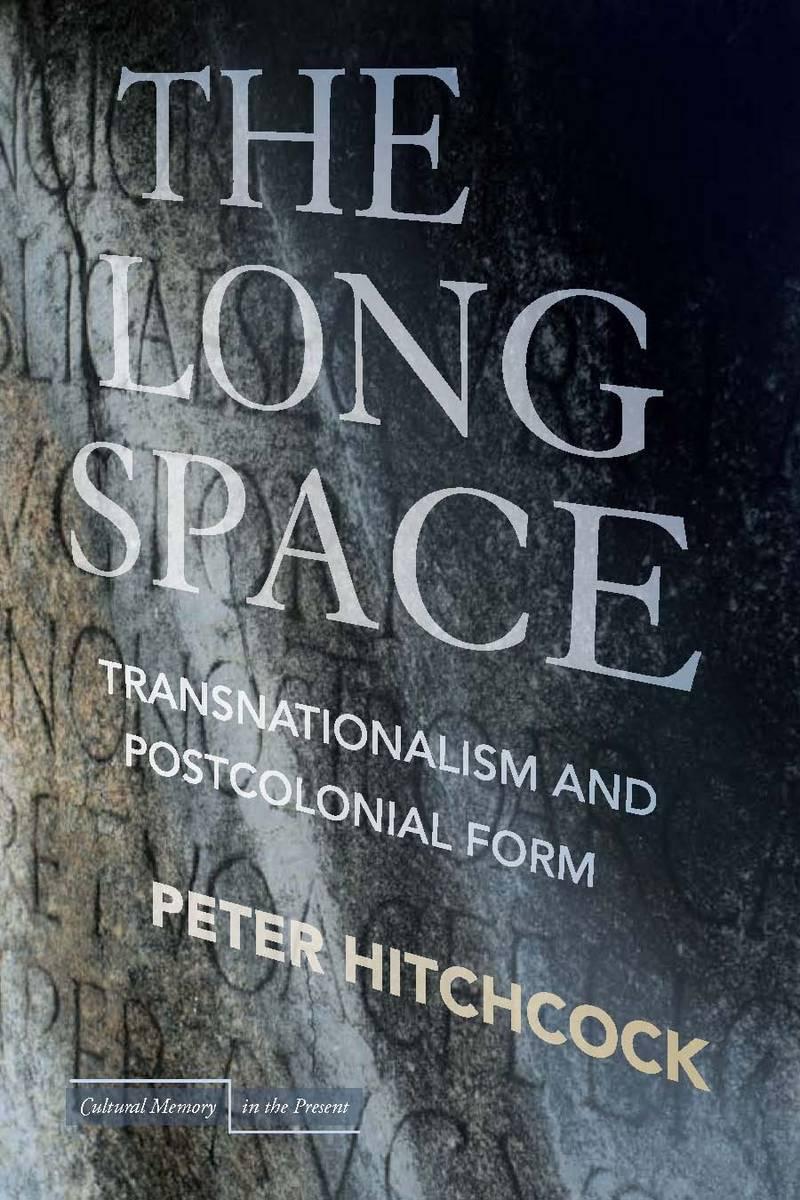
The resurgence of "world literature" as a category of study seems to coincide with what we understand as globalization, but how does postcolonial writing fit into this picture? Beyond the content of this novel or that, what elements of postcolonial fiction might challenge the assumption that its main aim is to circulate native information globally? The Long Space provides a fresh look at the importance of postcolonial writing by examining how it articulates history and place both in content and form. Not only does it offer a new theoretical model for understanding decolonization's impact on duration in writing, but through a series of case studies of Guyanese, Somali, Indonesian, and Algerian writers, it urges a more protracted engagement with time and space in postcolonial narrative. Although each writer—Wilson Harris, Nuruddin Farah, Pramoedya Ananta Toer, and Assia Djebar—explores a unique understanding of postcoloniality, each also makes a more general assertion about the difference of time and space in decolonization. Taken together, they herald a transnationalism beyond the contaminated coordinates of globalization as currently construed.
Paga facilmente con carta, Klarna, Apple Pay o Google Pay. Non sei soddisfatto? Hai sempre 14 giorni per il rimborso. Leggi di più nei nostri termini. Per qualsiasi domanda, scrivici a hello@memmo.org.
Memmo rende lo studio più facile, ovunque tu sia nel mondo. Qui trovi i tuoi libri di testo e strumenti di studio intelligenti, tutto in un unico posto: riassunti, quiz, podcast e flashcard. E poi c'è Ted, il tuo compagno di studio che risponde a ogni tua domanda. Oltre 50.000 studenti studiano già qui: è stato creato per aiutarti a imparare più velocemente e a stressarti meno.