
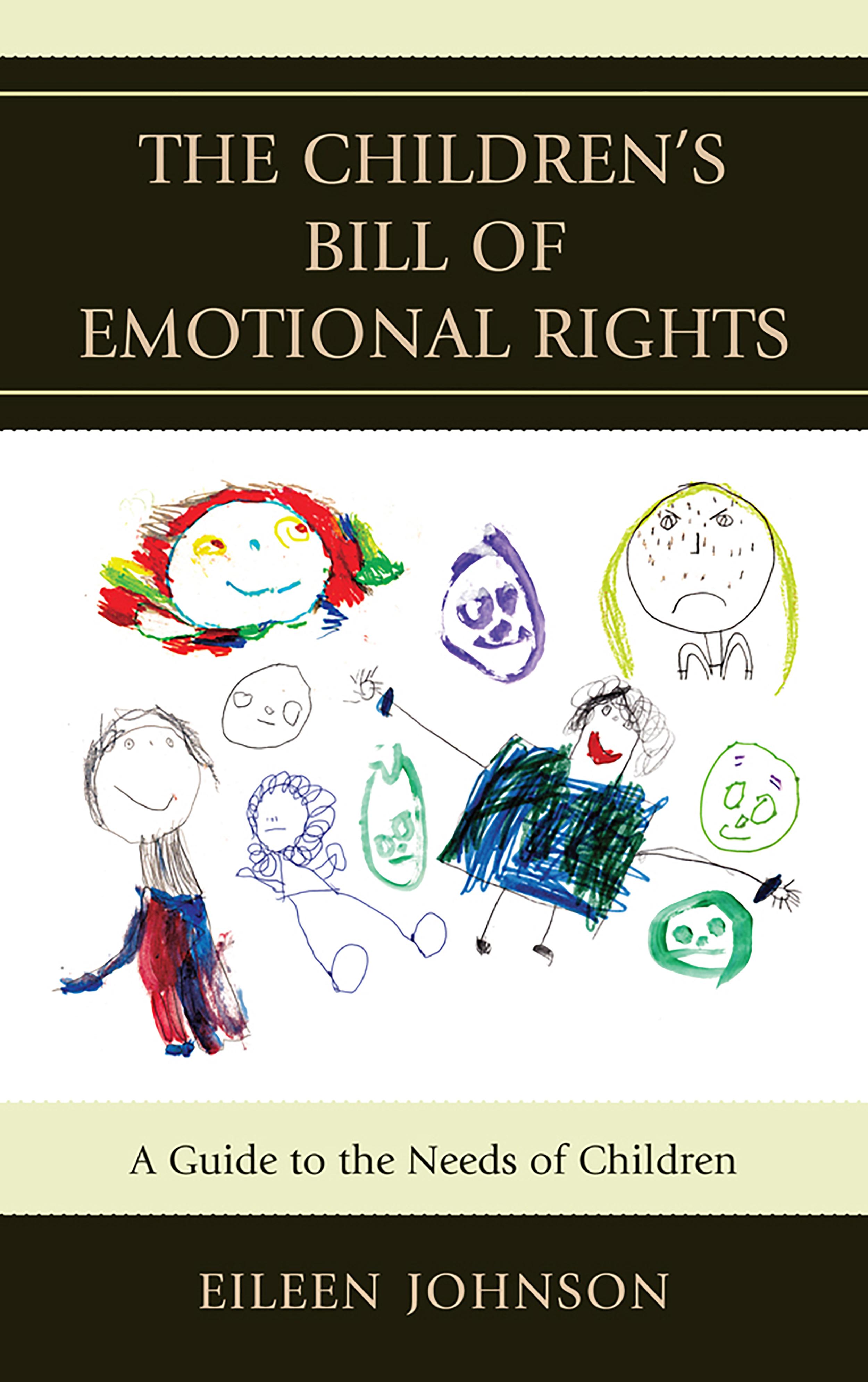
There are approximately 7 billion people in the world, and 2 billion of them are children. Children are the last unheard minority, a group whose voice is seldom listened to, and whose rights are seldom acknowledged. Children are dependent on adults for their survival and wellbeing, and as such are subservient beings. Though the UN recently issued a Charter of the Rights of the Child, an important aspect was neglected—the emotional rights of the child. Children all over the world are routinely bullied, dismissed, and treated as inferior beings. Though a child can survive hunger, cold, and physical trauma, emotional damage in childhood can cause problems that last a lifetime. These problems can have huge repercussions for society when children become teenagers and young adults, from bullying to suicide to mass murder.
In every society, individuals are entitled to their human rights. This book outlines the child's emotional rights. The book explains why it is important to respect a child's rights, and how it is possible for parents and teachers to make positive changes in the ways they respond to children. Many adults struggle with preconceived notions on how to discipline and control children. Other adults lack the necessary information on how a child thinks or why a child cannot respond in ways expected of him. And all adults struggle with anger and frustration when dealing with emotional expressions they do not understand. This book helps adults to understand why controlling and manipulating children is not the way to create a healthy community. The book provides insights into a child's mind, gives examples of compassionate and patient responses, and guides parents and teachers towards a greater respect for the rights of the child.
In every society, individuals are entitled to their human rights. This book outlines the child's emotional rights. The book explains why it is important to respect a child's rights, and how it is possible for parents and teachers to make positive changes in the ways they respond to children. Many adults struggle with preconceived notions on how to discipline and control children. Other adults lack the necessary information on how a child thinks or why a child cannot respond in ways expected of him. And all adults struggle with anger and frustration when dealing with emotional expressions they do not understand. This book helps adults to understand why controlling and manipulating children is not the way to create a healthy community. The book provides insights into a child's mind, gives examples of compassionate and patient responses, and guides parents and teachers towards a greater respect for the rights of the child.
Paga facilmente con carta, Klarna, Apple Pay o Google Pay. Non sei soddisfatto? Hai sempre 14 giorni per il rimborso. Leggi di più nei nostri termini. Per qualsiasi domanda, scrivici a hello@memmo.org.
Memmo rende lo studio più facile, ovunque tu sia nel mondo. Qui trovi i tuoi libri di testo e strumenti di studio intelligenti, tutto in un unico posto: riassunti, quiz, podcast e flashcard. E poi c'è Ted, il tuo compagno di studio che risponde a ogni tua domanda. Oltre 50.000 studenti studiano già qui: è stato creato per aiutarti a imparare più velocemente e a stressarti meno.