
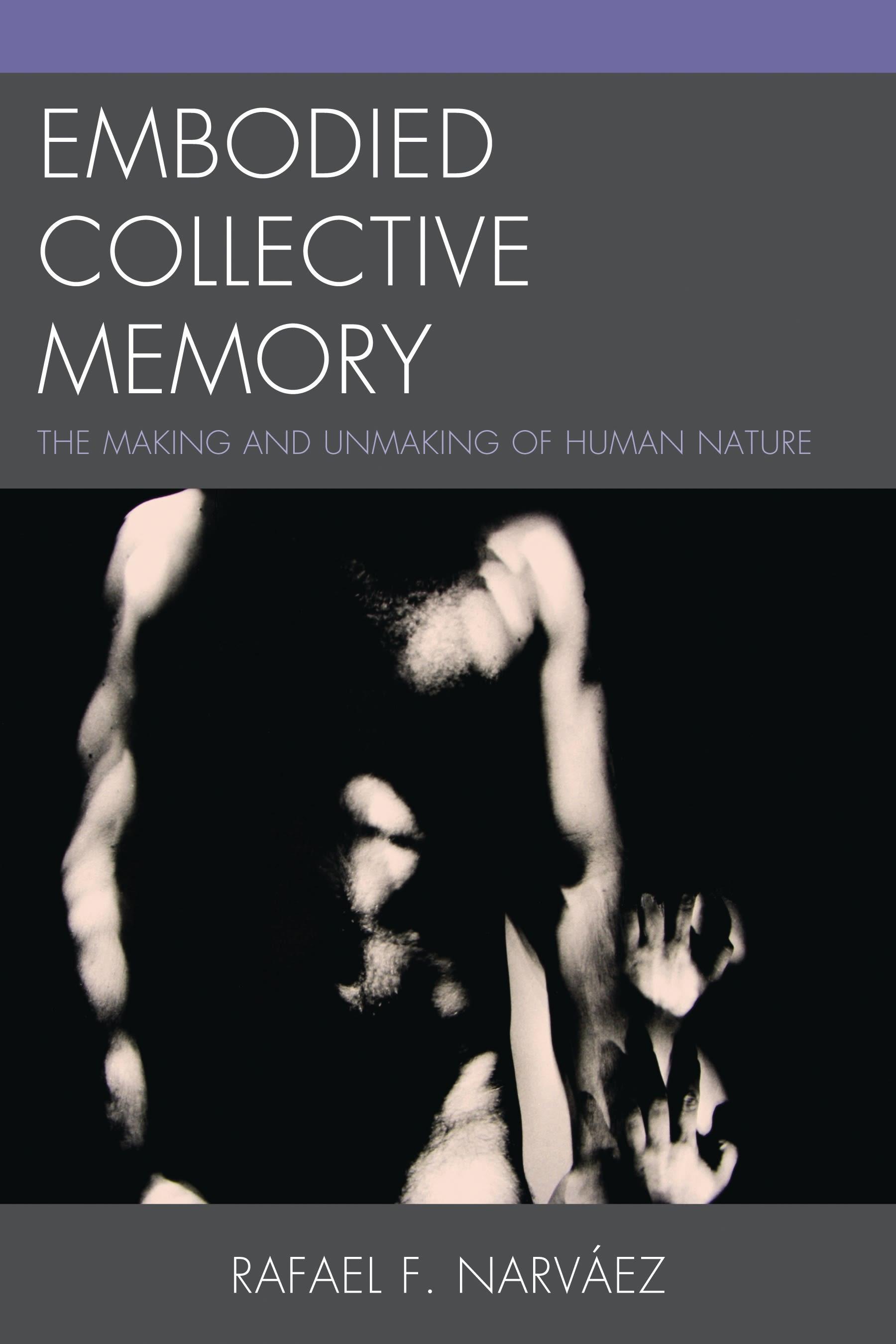
The human body is not a given fact; it is not, as Descartes believed, a “machine made up of flesh and bones.” The body is acquired, achieved, and learned. It is thus full of mimetic and mnemonic implications. The body remembers, and it does so in collectively relevant ways. Gestures, corporeal and phonetic rhythms, affective idioms, and emotional styles — perceptual, sensorial, motoric, and affective schemata — are all largely learned in shared social contexts.
These aspects of the embodied experience are often consigned to habit, to bodily automatisms, and to corporeal memories that reflect aspects of culture. But if the body reflects certain aspects of culture that press to become naturalized and organically attached to social actors, it also resists these kinds of cultural pressures. These adaptive and resistive dynamics, as this book shows, are not without consequences for individuals and groups. These processes can result in both advantages and disadvantages for social actors. They can take us toward certain futures while foreclosing others. It is therefore necessary to understand how, why, and to what extent corporeal memories are constructed but also resisted, modified, or created anew.
These aspects of the embodied experience are often consigned to habit, to bodily automatisms, and to corporeal memories that reflect aspects of culture. But if the body reflects certain aspects of culture that press to become naturalized and organically attached to social actors, it also resists these kinds of cultural pressures. These adaptive and resistive dynamics, as this book shows, are not without consequences for individuals and groups. These processes can result in both advantages and disadvantages for social actors. They can take us toward certain futures while foreclosing others. It is therefore necessary to understand how, why, and to what extent corporeal memories are constructed but also resisted, modified, or created anew.
Paga facilmente con carta, Klarna, Apple Pay o Google Pay. Non sei soddisfatto? Hai sempre 14 giorni per il rimborso. Leggi di più nei nostri termini. Per qualsiasi domanda, scrivici a hello@memmo.org.
Memmo rende lo studio più facile, ovunque tu sia nel mondo. Qui trovi i tuoi libri di testo e strumenti di studio intelligenti, tutto in un unico posto: riassunti, quiz, podcast e flashcard. E poi c'è Ted, il tuo compagno di studio che risponde a ogni tua domanda. Oltre 50.000 studenti studiano già qui: è stato creato per aiutarti a imparare più velocemente e a stressarti meno.