
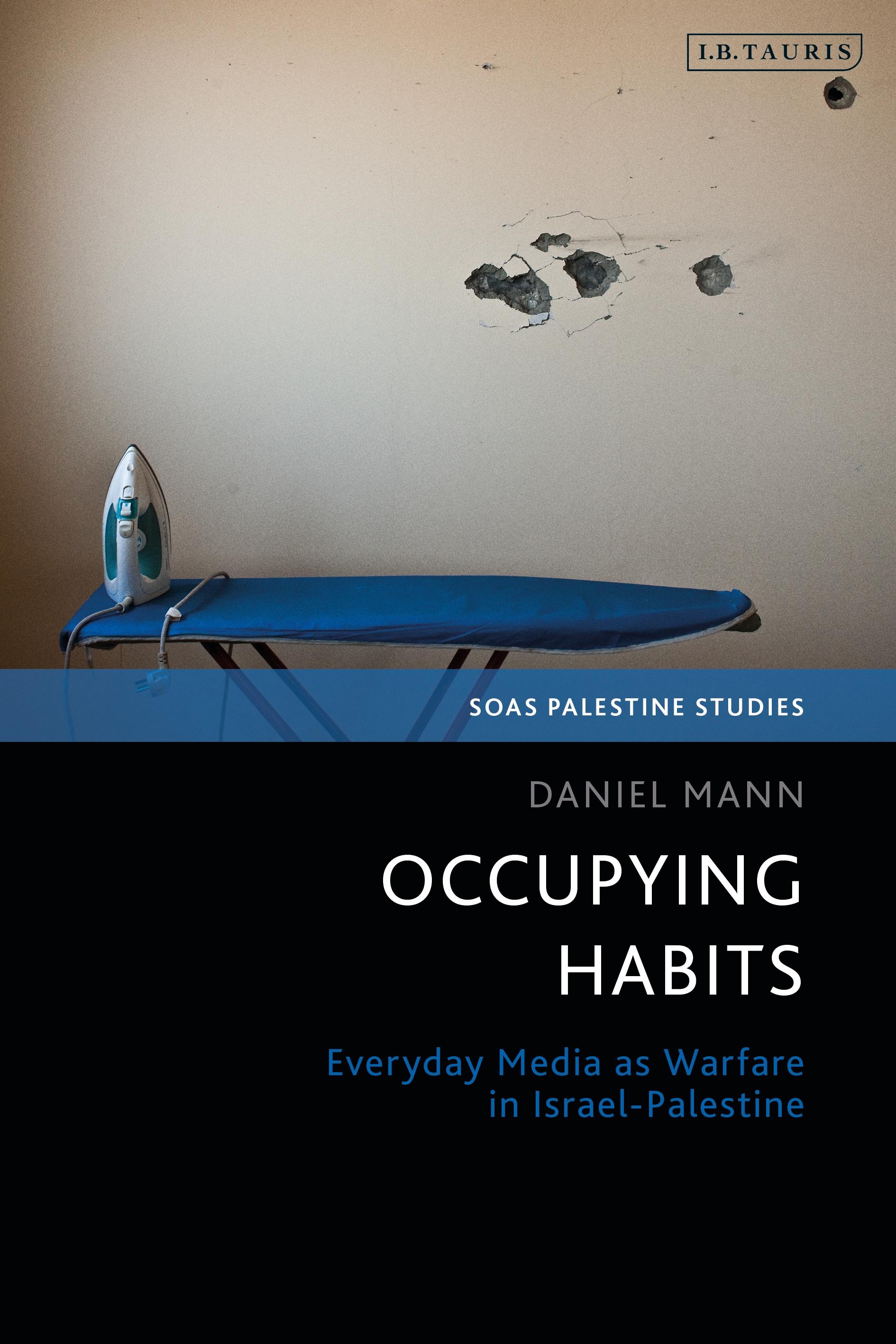
How did the Israeli military learn to cope with the ubiquity of media technologies that routinely document their power abuses? Why did they re-appropriate these to tighten their grip on Palestinian civilians? This book explains why a high-tech nation with advanced military technologies came to rely on the everyday media habits performed by soldiers and civilians.
Daniel Mann argues that the intensification of the security regime in Palestine, and the increasingly personal use of media technologies by both soldiers and civilians, are deeply entangled. The book traces how, beginning in the 1990s, the integration of media into the lives of civilians and Israeli soldiers enabled Israel to transfer responsibilities to individual users, who in turn became legally and ethically liable for state abuses of power.
Drawing on declassified documents, found footage, and social media, Mann shows how both media and warfare have been remodelled around the figure of the defensive, isolated, and insular 'individual'. Mann suggests that the focus on representations and their close visual analysis paradoxically hinders our ability to understand media. Instead of zooming into fine details, we must step back to reveal the assemblage of images, users, and infrastructure that together serve to maintain the racial, legal and aesthetic divide between Israel and Palestine.
Daniel Mann argues that the intensification of the security regime in Palestine, and the increasingly personal use of media technologies by both soldiers and civilians, are deeply entangled. The book traces how, beginning in the 1990s, the integration of media into the lives of civilians and Israeli soldiers enabled Israel to transfer responsibilities to individual users, who in turn became legally and ethically liable for state abuses of power.
Drawing on declassified documents, found footage, and social media, Mann shows how both media and warfare have been remodelled around the figure of the defensive, isolated, and insular 'individual'. Mann suggests that the focus on representations and their close visual analysis paradoxically hinders our ability to understand media. Instead of zooming into fine details, we must step back to reveal the assemblage of images, users, and infrastructure that together serve to maintain the racial, legal and aesthetic divide between Israel and Palestine.
Paga facilmente con carta, Klarna, Apple Pay o Google Pay. Non sei soddisfatto? Hai sempre 14 giorni per il rimborso. Leggi di più nei nostri termini. Per qualsiasi domanda, scrivici a hello@memmo.org.
Memmo rende lo studio più facile, ovunque tu sia nel mondo. Qui trovi i tuoi libri di testo e strumenti di studio intelligenti, tutto in un unico posto: riassunti, quiz, podcast e flashcard. E poi c'è Ted, il tuo compagno di studio che risponde a ogni tua domanda. Oltre 50.000 studenti studiano già qui: è stato creato per aiutarti a imparare più velocemente e a stressarti meno.