
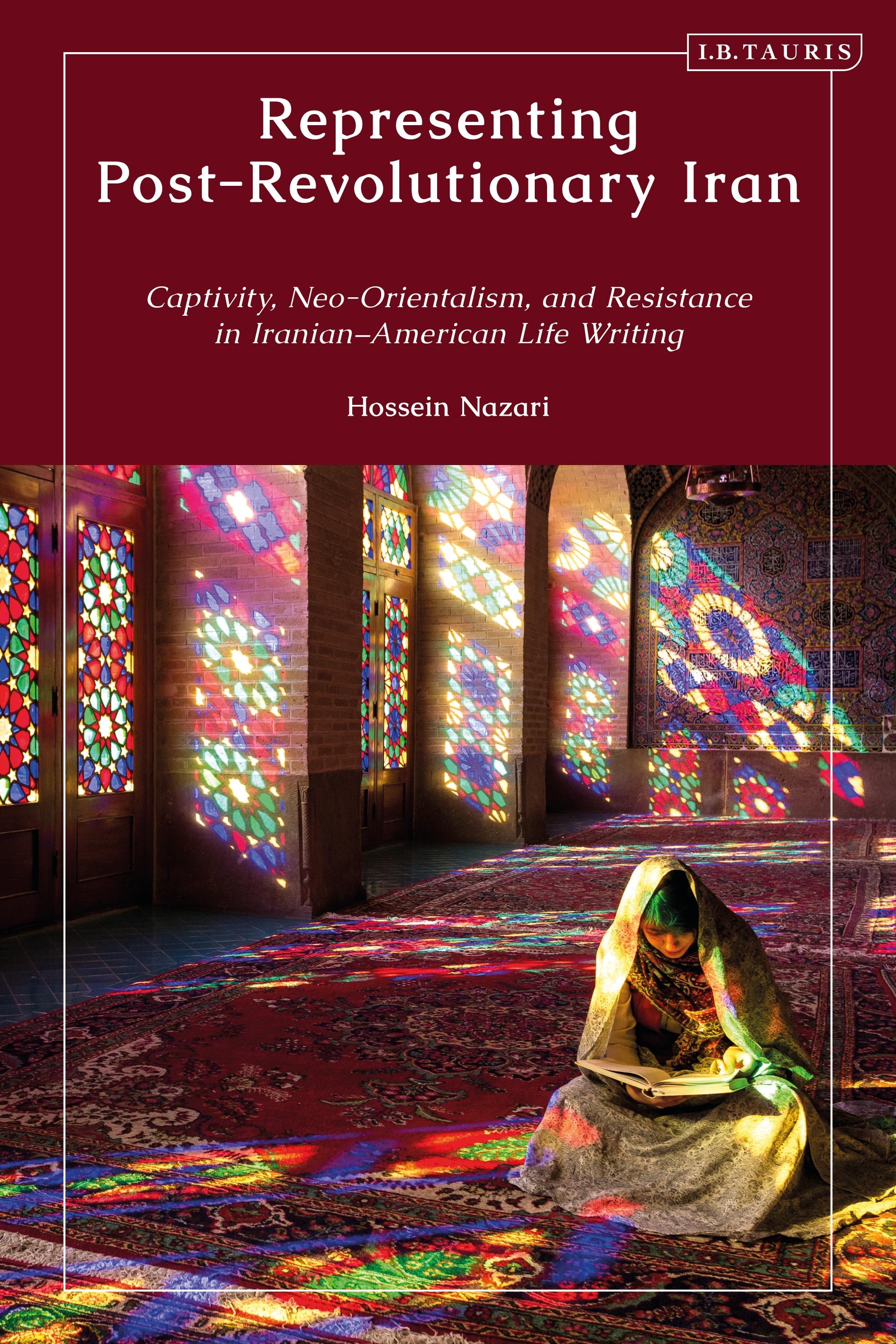
Memoirs of diasporic Iranian-American authors are a unique and culturally powerful way in which Iran, its politics, and people are understood in the USA and the rest of the world. This book offers an analysis of the processes of production, promotion, and reception of the representations of post-revolutionary Iran.
The book provides new perspectives on some of the most famous examples of the genre such as Betty Mahmoody's Not Without My Daughter, Azar Nafisi's Reading Lolita in Tehran: A Memoir in Books, and Fatemeh Keshavarz's Jasmine and Stars: Reading More Than Lolita in Tehran. Hossein Nazari places these texts in their social, historical, and political contexts, tracing their origins within the trope of the American captivity narrative, teasing out and critiquing neo-Orientalist tendencies within, and finally focusing on modes of discursive resistance to neo-Orientalist narratives. The book analyzes the structural means by which stereotypes about Islam and women in the Islamic Republic in these narratives are privileged by news media and the creative industries, while also charting a growing number of 'counterhegemonic' memoirs which challenge these narratives by representing more nuanced accounts of life in Iran after 1979.
The book provides new perspectives on some of the most famous examples of the genre such as Betty Mahmoody's Not Without My Daughter, Azar Nafisi's Reading Lolita in Tehran: A Memoir in Books, and Fatemeh Keshavarz's Jasmine and Stars: Reading More Than Lolita in Tehran. Hossein Nazari places these texts in their social, historical, and political contexts, tracing their origins within the trope of the American captivity narrative, teasing out and critiquing neo-Orientalist tendencies within, and finally focusing on modes of discursive resistance to neo-Orientalist narratives. The book analyzes the structural means by which stereotypes about Islam and women in the Islamic Republic in these narratives are privileged by news media and the creative industries, while also charting a growing number of 'counterhegemonic' memoirs which challenge these narratives by representing more nuanced accounts of life in Iran after 1979.
Paga facilmente con carta, Klarna, Apple Pay o Google Pay. Non sei soddisfatto? Hai sempre 14 giorni per il rimborso. Leggi di più nei nostri termini. Per qualsiasi domanda, scrivici a hello@memmo.org.
Memmo rende lo studio più facile, ovunque tu sia nel mondo. Qui trovi i tuoi libri di testo e strumenti di studio intelligenti, tutto in un unico posto: riassunti, quiz, podcast e flashcard. E poi c'è Ted, il tuo compagno di studio che risponde a ogni tua domanda. Oltre 50.000 studenti studiano già qui: è stato creato per aiutarti a imparare più velocemente e a stressarti meno.