
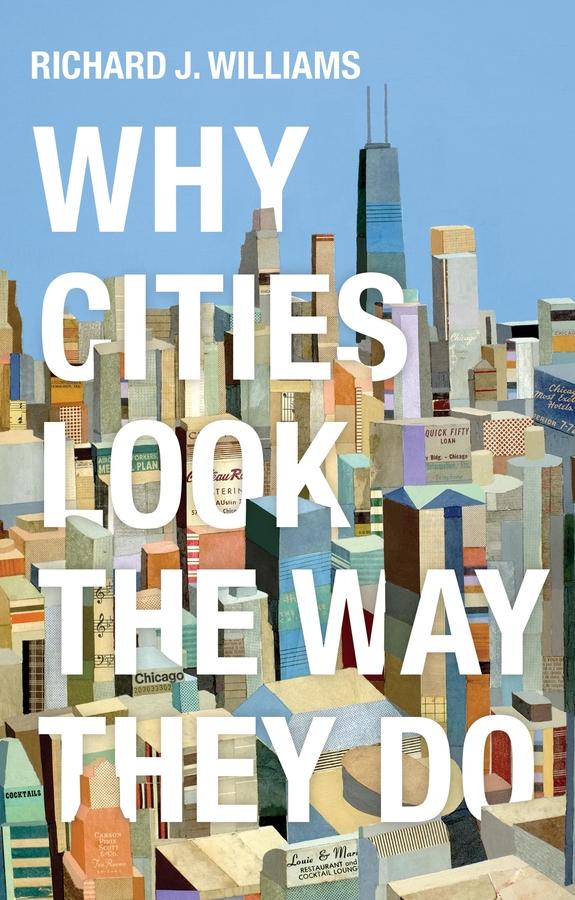
We tend to think cities look the way they do because of the conscious work of architects, planners and builders. But what if the look of cities had less to do with design, and more to do with social, cultural, financial and political processes, and the way ordinary citizens interact with them? What if the city is a process as much as a design? Richard J. Williams takes the moment construction is finished as a beginning, tracing the myriad processes that produce the look of the contemporary global city.
This book is the story of dramatic but unforeseen urban sights: how financial capital spawns empty towering skyscrapers and hollowed-out ghettoes; how the zoning of once-illicit sexual practices in marginal areas of the city results in the reinvention of culturally vibrant gay villages; how abandoned factories have been repurposed as creative hubs in a precarious postindustrial economy. It is also the story of how popular urban clichés and the fictional portrayal of cities powerfully shape the way we read and see the bricks, concrete and glass that surround us.
Thought-provoking and original, Why Cities Look the Way They Do will appeal to anyone who wants to understand the contemporary city, shedding new light on humanity’s greatest collective invention.
Paga facilmente con carta, Klarna, Apple Pay o Google Pay. Non sei soddisfatto? Hai sempre 14 giorni per il rimborso. Leggi di più nei nostri termini. Per qualsiasi domanda, scrivici a hello@memmo.org.
Memmo rende lo studio più facile, ovunque tu sia nel mondo. Qui trovi i tuoi libri di testo e strumenti di studio intelligenti, tutto in un unico posto: riassunti, quiz, podcast e flashcard. E poi c'è Ted, il tuo compagno di studio che risponde a ogni tua domanda. Oltre 50.000 studenti studiano già qui: è stato creato per aiutarti a imparare più velocemente e a stressarti meno.