
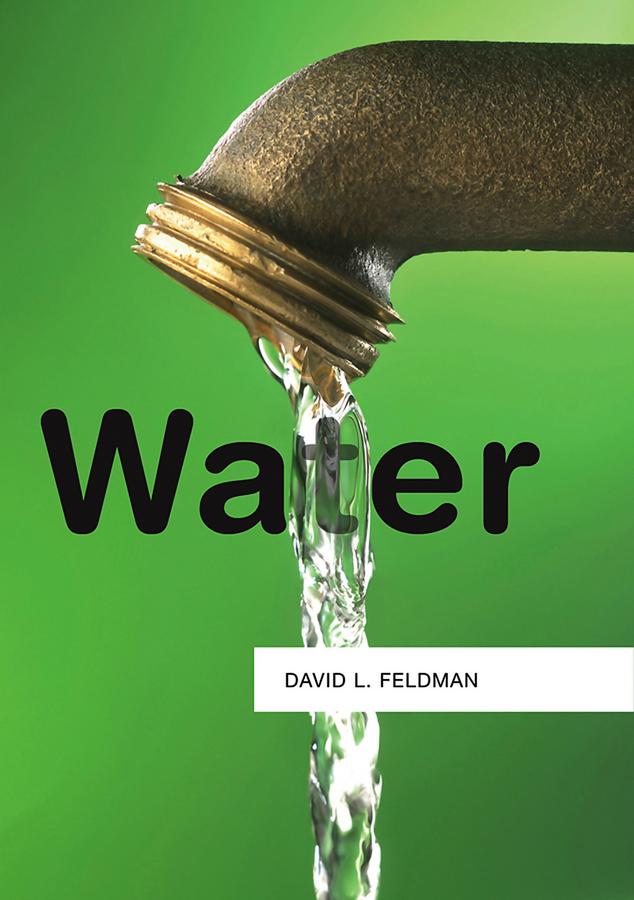
Water is our planet’s most precious resource. It is required by every living thing, yet a huge proportion of the world’s population struggles to access clean water daily. Agriculture, aquaculture, industry, and energy all depend on it - yet its provision and safety engender widespread conflict; battles likely to intensify as threats to freshwater abundance and quality, such as climate change, urbanization, new forms of pollution, and the privatization of control, continue to grow.
But must the cost of potable water become prohibitively expensive for the poor - especially when supplies are privatized? Do technological advances only expand supply or can they carry hidden risks for minority groups? And who bears responsibility for managing the adverse impacts of dams funded by global aid organizations when their burdens fall on some, while their benefits accrue to others? In answering these and other pressing questions, the book shows how control of freshwater operates at different levels, from individual watersheds near cities to large river basins whose water - when diverted - is contested by entire countries. Drawing on a rich range of examples from across the world, it explores the complexity of future challenges, concluding that nations must work together to embrace everyone's water needs while also establishing fair, consistent criteria to promote available supply with less pollution.
But must the cost of potable water become prohibitively expensive for the poor - especially when supplies are privatized? Do technological advances only expand supply or can they carry hidden risks for minority groups? And who bears responsibility for managing the adverse impacts of dams funded by global aid organizations when their burdens fall on some, while their benefits accrue to others? In answering these and other pressing questions, the book shows how control of freshwater operates at different levels, from individual watersheds near cities to large river basins whose water - when diverted - is contested by entire countries. Drawing on a rich range of examples from across the world, it explores the complexity of future challenges, concluding that nations must work together to embrace everyone's water needs while also establishing fair, consistent criteria to promote available supply with less pollution.
Paga facilmente con carta, Klarna, Apple Pay o Google Pay. Non sei soddisfatto? Hai sempre 14 giorni per il rimborso. Leggi di più nei nostri termini. Per qualsiasi domanda, scrivici a hello@memmo.org.
Memmo rende lo studio più facile, ovunque tu sia nel mondo. Qui trovi i tuoi libri di testo e strumenti di studio intelligenti, tutto in un unico posto: riassunti, quiz, podcast e flashcard. E poi c'è Ted, il tuo compagno di studio che risponde a ogni tua domanda. Oltre 50.000 studenti studiano già qui: è stato creato per aiutarti a imparare più velocemente e a stressarti meno.
Potrebbe interessarti anche
Acquista il libro0