
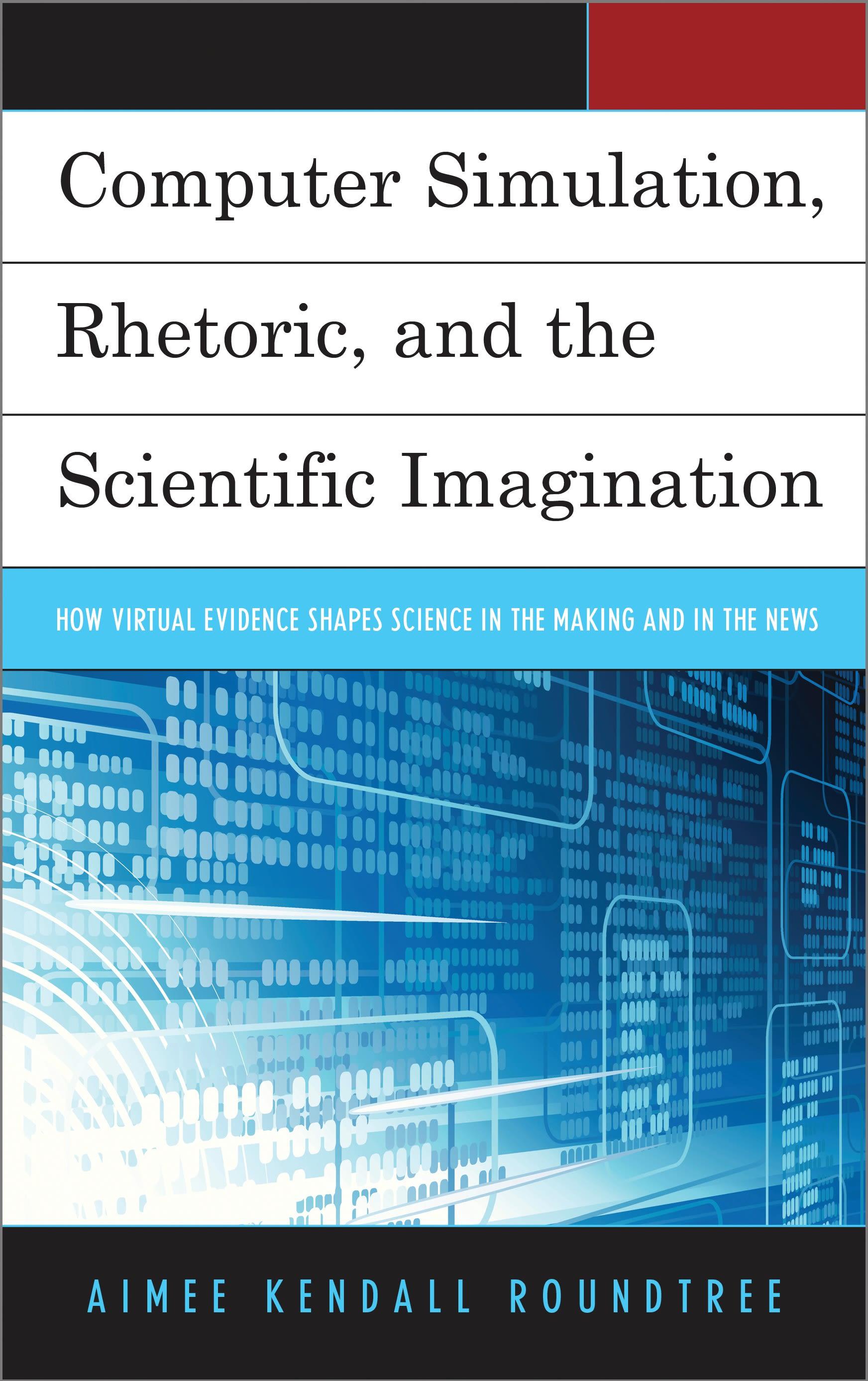
Computer simulations help advance climatology, astrophysics, and other scientific disciplines. They are also at the crux of several high-profile cases of science in the news. How do simulation scientists, with little or no direct observations, make decisions about what to represent? What is the nature of simulated evidence, and how do we evaluate its strength? Aimee Kendall Roundtree suggests answers in Computer Simulation, Rhetoric, and the Scientific Imagination. She interprets simulations in the sciences by uncovering the argumentative strategies that underpin the production and dissemination of simulated findings. She also explains how subjective and social influences do not diminish simulations’ virtue or power to represent the real thing. Along the way, Roundtree situates computer simulations within the scientific imagination alongside paradoxes, thought experiments, and metaphors. A cogent rhetorical analysis, Computer Simulation, Rhetoric, and the Scientific Imagination engages scholars of the rhetoric of science, technology, and new and digital media, but it is also accessible to the general public interested in debates over hurricane preparedness and climate change.
Paga facilmente con carta, Klarna, Apple Pay o Google Pay. Non sei soddisfatto? Hai sempre 14 giorni per il rimborso. Leggi di più nei nostri termini. Per qualsiasi domanda, scrivici a hello@memmo.org.
Memmo rende lo studio più facile, ovunque tu sia nel mondo. Qui trovi i tuoi libri di testo e strumenti di studio intelligenti, tutto in un unico posto: riassunti, quiz, podcast e flashcard. E poi c'è Ted, il tuo compagno di studio che risponde a ogni tua domanda. Oltre 50.000 studenti studiano già qui: è stato creato per aiutarti a imparare più velocemente e a stressarti meno.