
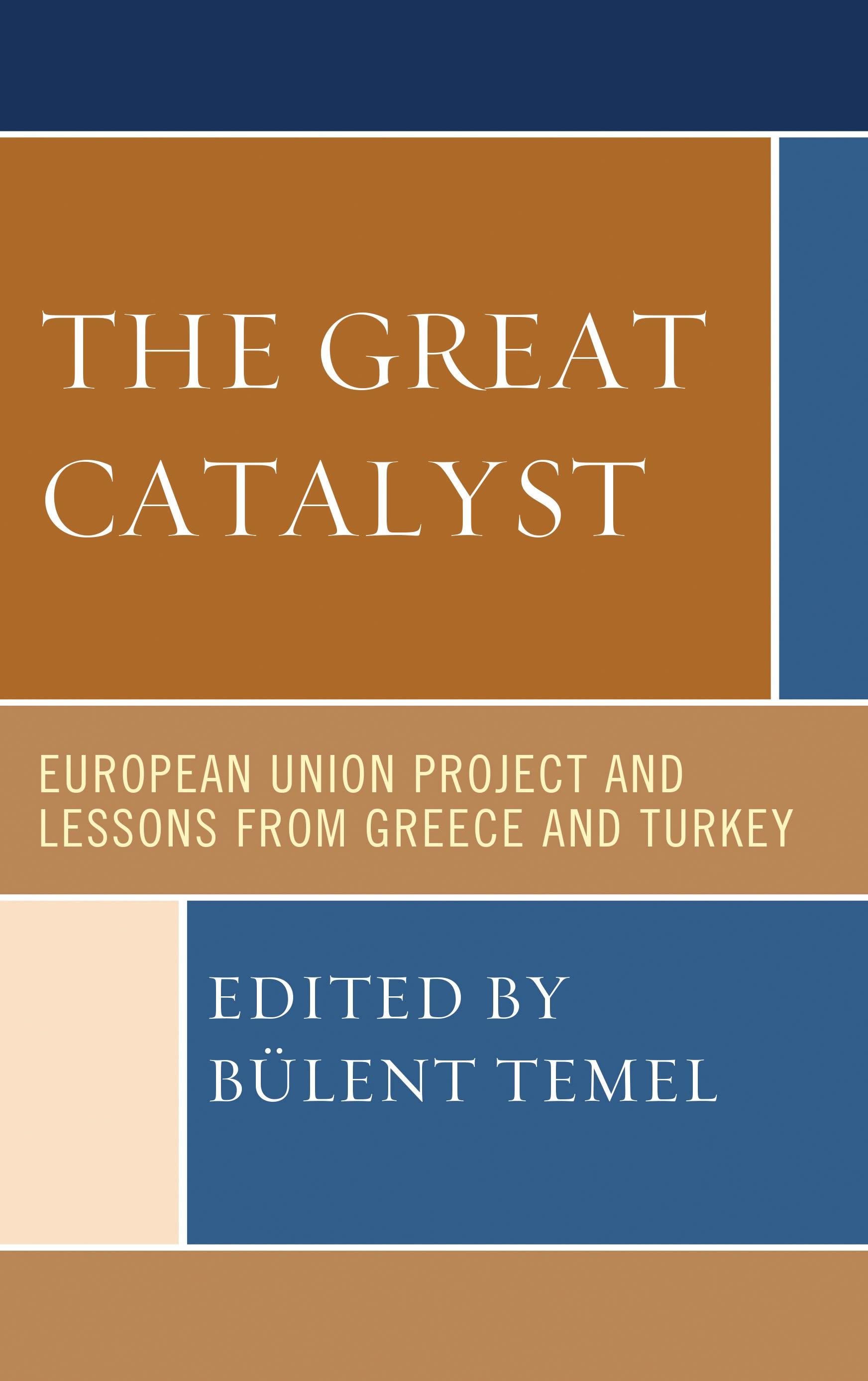
For over half a century, European Union has been a promising endeavor of cooperative institutionalism. It has shown that even nation states with a long history of conflict are capable of collaborating with one another to serve their own interests. However, the EU project has also made visible that there is no one-size-fits-all policy in economics that can be applied to all countries with success. Economics starts and ends with the society. Common culture determines the outcomes of economic policies, and ordinary people pick up the bill when policies turn out to be failures.
This book presents two different tales of the European Union to provide an empirical challenge to oversimplified assumptions behind the neoliberal orthodoxy in policymaking: Favorable experience of the EU-candidate Turkey, and the regrettable venture of the EU-member Greece. The fact that these two neighboring countries with similar cultures have had vastly different experiences with the European Union suggests that the EU functions as a catalyst of change in the countries that associate with it, but this impact could be negative as well as positive depending on the role the EU plays. Political economist Bülent Temel presents a lucid analysis of the Turkish and Greek encounters with the EU—based on contributions from a diverse range of social sciences; economics, game theory, finance, political science and sociology.
This book presents two different tales of the European Union to provide an empirical challenge to oversimplified assumptions behind the neoliberal orthodoxy in policymaking: Favorable experience of the EU-candidate Turkey, and the regrettable venture of the EU-member Greece. The fact that these two neighboring countries with similar cultures have had vastly different experiences with the European Union suggests that the EU functions as a catalyst of change in the countries that associate with it, but this impact could be negative as well as positive depending on the role the EU plays. Political economist Bülent Temel presents a lucid analysis of the Turkish and Greek encounters with the EU—based on contributions from a diverse range of social sciences; economics, game theory, finance, political science and sociology.
Paga facilmente con carta, Klarna, Apple Pay o Google Pay. Non sei soddisfatto? Hai sempre 14 giorni per il rimborso. Leggi di più nei nostri termini. Per qualsiasi domanda, scrivici a hello@memmo.org.
Memmo rende lo studio più facile, ovunque tu sia nel mondo. Qui trovi i tuoi libri di testo e strumenti di studio intelligenti, tutto in un unico posto: riassunti, quiz, podcast e flashcard. E poi c'è Ted, il tuo compagno di studio che risponde a ogni tua domanda. Oltre 50.000 studenti studiano già qui: è stato creato per aiutarti a imparare più velocemente e a stressarti meno.