
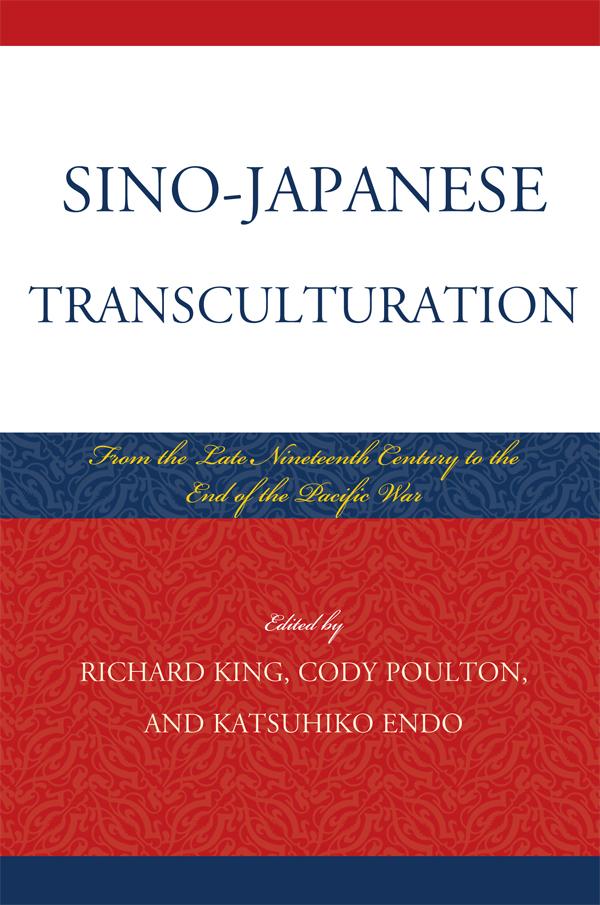
This is a multi-author work which examines the cultural dimensions of the relations between East Asia’s two great powers, China and Japan, in a period of change and turmoil, from the late nineteenth century to the end of the Second World War. This period saw Japanese invasion of China, the occupation of China’s North-east (Manchuria) and Taiwan, and war between the two nations from 1937-1945; the scars of that war are still evident in relations between the two countries today.
In their quest for modernity, the rulers and leading thinkers of China and Japan defined themselves in contradisctinction to the other, influenced both by traditional bonds of classical culture and by the influx of new Western ideas that flowed through Japan to China. The experiences of intellectual and cultural awakening in the two countries were inextricably linked, as our studies of poetry, fiction, philosophy, theatre, and popular culture demonstrate. The chapters explore this process of “transculturation” – the sharing and exchange of ideas and artistic expression – not only in Japan and China, but in the larger region which Joshua Fogel has called the “Sinosphere,” an area including Korea and parts of Southeast Asia with a shared heritage of Confucian statecraft and values underpinned by the classical Chinese language.
The authors of the chapters, who include established senior academics and younger scholars, and employ a range of disciplines and methodologies, were selected by the editors for their expertise in particular aspects of this rich and complex cultural relationship. As for the editors: Richard King and Cody Poulton are scholars and translators of Chinese literature and Japanese theatre respectively, each taking a historical and comparative perspective to the study of their subject; Katsuhiko Endo is an intellectual historian dealing with both Japan and China.
In their quest for modernity, the rulers and leading thinkers of China and Japan defined themselves in contradisctinction to the other, influenced both by traditional bonds of classical culture and by the influx of new Western ideas that flowed through Japan to China. The experiences of intellectual and cultural awakening in the two countries were inextricably linked, as our studies of poetry, fiction, philosophy, theatre, and popular culture demonstrate. The chapters explore this process of “transculturation” – the sharing and exchange of ideas and artistic expression – not only in Japan and China, but in the larger region which Joshua Fogel has called the “Sinosphere,” an area including Korea and parts of Southeast Asia with a shared heritage of Confucian statecraft and values underpinned by the classical Chinese language.
The authors of the chapters, who include established senior academics and younger scholars, and employ a range of disciplines and methodologies, were selected by the editors for their expertise in particular aspects of this rich and complex cultural relationship. As for the editors: Richard King and Cody Poulton are scholars and translators of Chinese literature and Japanese theatre respectively, each taking a historical and comparative perspective to the study of their subject; Katsuhiko Endo is an intellectual historian dealing with both Japan and China.
Pagine: 316
Categoria: Kultur-, Genus- & Postkoloniala studier
e-ISBN: 9780739171516
Peso di spedizione: 1.2 kg
Spedito in: 1-2 giorni
Paga facilmente con carta, Klarna, Apple Pay o Google Pay. Non sei soddisfatto? Hai sempre 14 giorni per il rimborso. Leggi di più nei nostri termini. Per qualsiasi domanda, scrivici a hello@memmo.org.
Memmo rende lo studio più facile, ovunque tu sia nel mondo. Qui trovi i tuoi libri di testo e strumenti di studio intelligenti, tutto in un unico posto: riassunti, quiz, podcast e flashcard. E poi c'è Ted, il tuo compagno di studio che risponde a ogni tua domanda. Oltre 50.000 studenti studiano già qui: è stato creato per aiutarti a imparare più velocemente e a stressarti meno.