
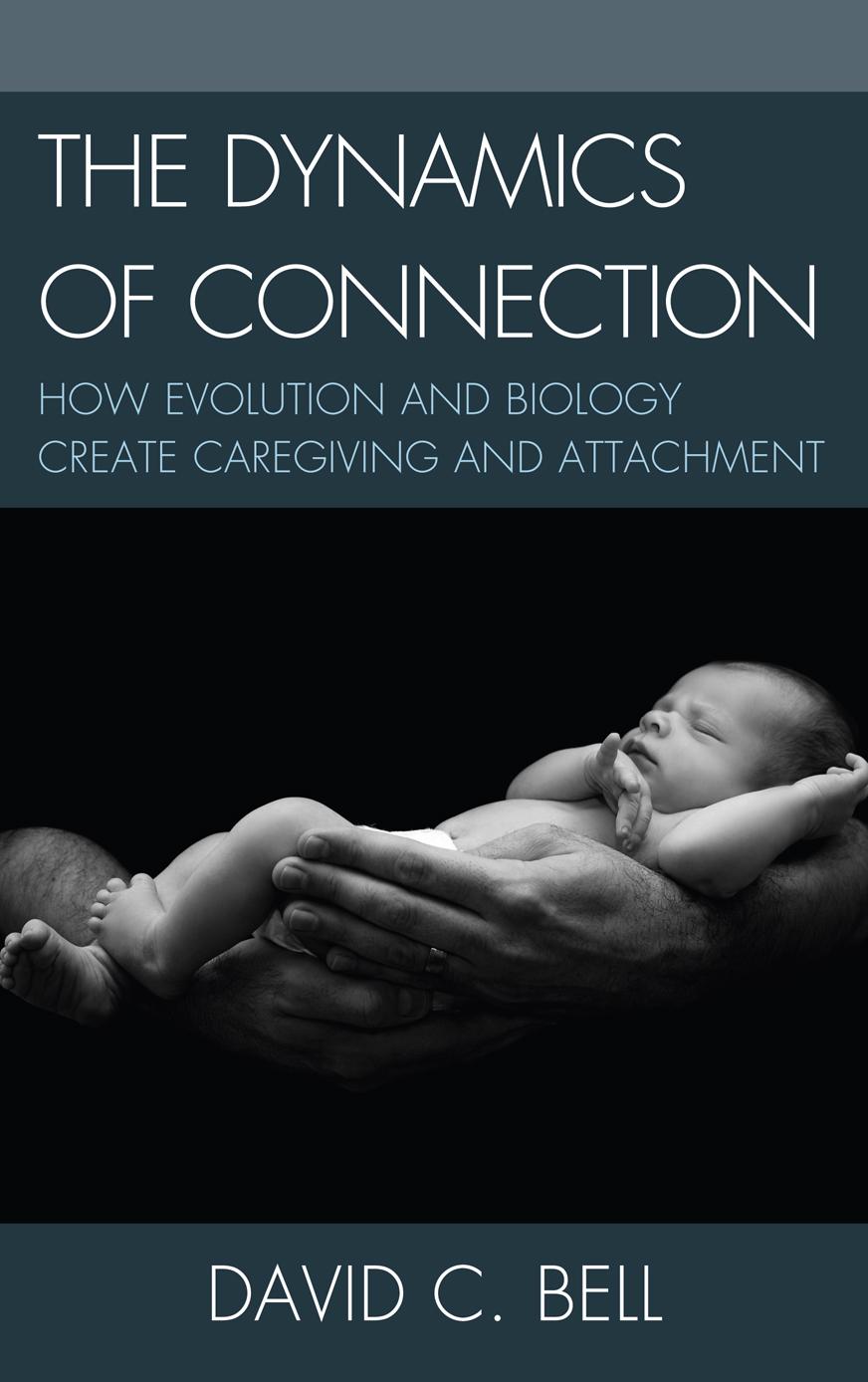
The Dynamics of Connection: How Evolution and Biology Create Caregiving and Attachment describes the logic of giving, love, trust, and nurturance. Bowlby's theory of attachment provides an excellent starting point for an explanation of nurturance, but there are some limitations in this theory, especially its tendency to minimize the caregiving side of the relationship. The book builds on and extends Bowlby's theory by examining the evolutionary evidence for both attachment and caregiving, the origins of which can be seen in the earliest mammals. It describes neurobiological research that has identified the brain circuits that underlie caregiving and attachment. The book then describes a theory of relationships based on these neurobiological circuits and the resulting human desire to give and receive emotional contact, warmth, and support. The theory details the emotional logic of this relationship process. The proactive connection process (caregiving), characteristic of parents, involves a growing capacity for both empathy and responsibility. In the receptive process (attachment), trust grows from the experience of being cared for and nurtured. These processes coexist alongside other motivations with which they interact.
The Dynamics of Connection introduces a view of the dyadic social psychology of connection that underlies both parent-child and close adult relationships. It provides a description and explanation of parental and adult nurturance. It gives a long-needed account of the origins of social norms of parenting. While building on the foundation of attachment theory, David Bell brings together new insights from both evolutionary theory and neurobiology to deepen our understanding of caregiving and attachment.
The Dynamics of Connection introduces a view of the dyadic social psychology of connection that underlies both parent-child and close adult relationships. It provides a description and explanation of parental and adult nurturance. It gives a long-needed account of the origins of social norms of parenting. While building on the foundation of attachment theory, David Bell brings together new insights from both evolutionary theory and neurobiology to deepen our understanding of caregiving and attachment.
Paga facilmente con carta, Klarna, Apple Pay o Google Pay. Non sei soddisfatto? Hai sempre 14 giorni per il rimborso. Leggi di più nei nostri termini. Per qualsiasi domanda, scrivici a hello@memmo.org.
Memmo rende lo studio più facile, ovunque tu sia nel mondo. Qui trovi i tuoi libri di testo e strumenti di studio intelligenti, tutto in un unico posto: riassunti, quiz, podcast e flashcard. E poi c'è Ted, il tuo compagno di studio che risponde a ogni tua domanda. Oltre 50.000 studenti studiano già qui: è stato creato per aiutarti a imparare più velocemente e a stressarti meno.