
New updated version now available!
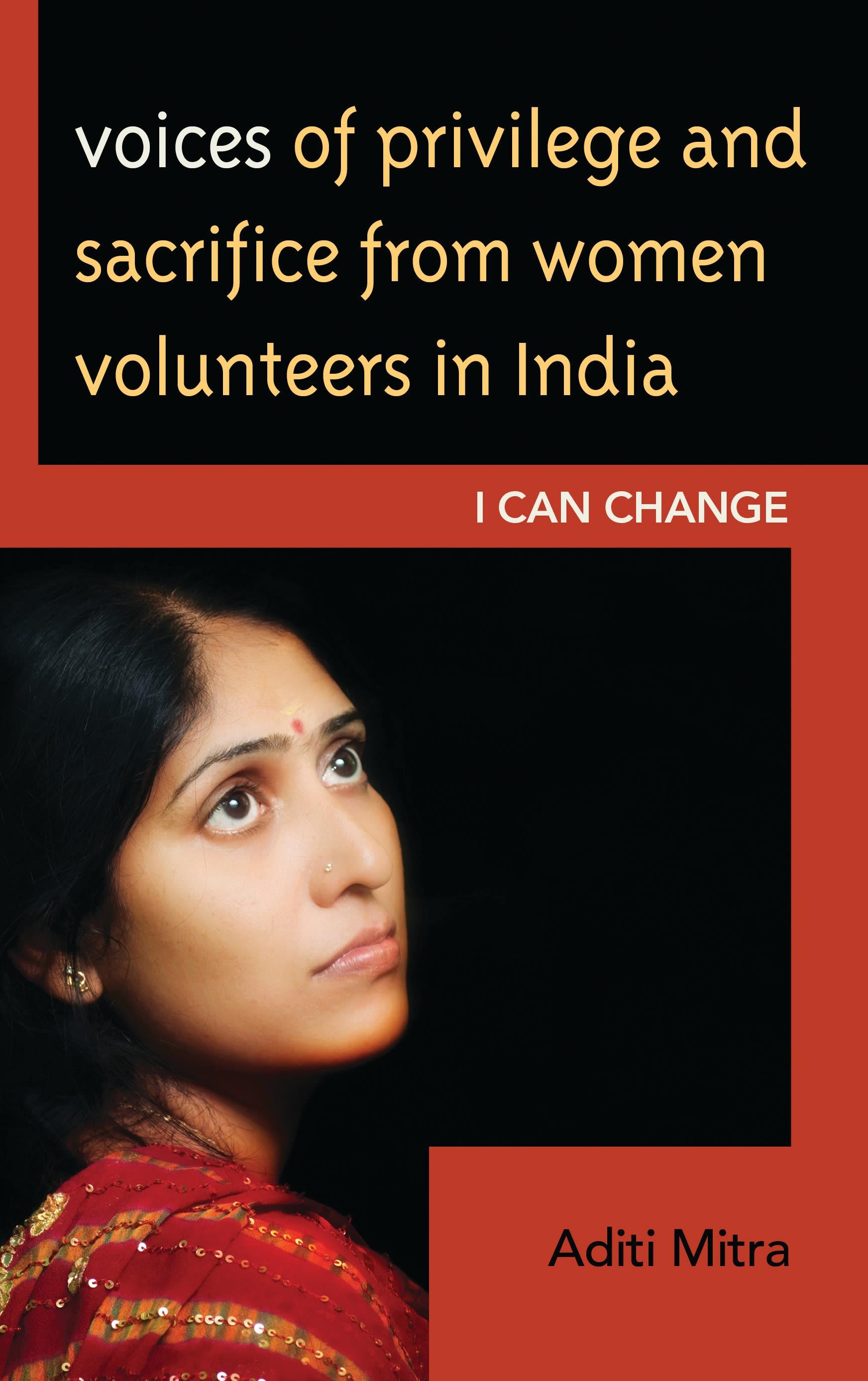
This book is the outcome of a study conducted in the eastern city of Kolkata in India in the mid-2000s. It is an ethnographic study that looks closely at women from the upper and middle classes who work with non-governmental organizations (NGOs) that help empower women from all classes of society. Unlike many studies that focus on grassroots women who are the beneficiaries of NGO and developmental projects, this book looks at those women who, as volunteers and activists, help carry out these projects to the best of their abilities. These women are often overlooked from mainstream studies on women in developing nations. But their role is invaluable and crucial in defining the agendas and strategies used to enhance feminist consciousness and developing organizational structures.
This book is significant because it offers awareness and alternative views to the challenges (and motivations) faced by middle and upper-class women volunteers and activists in building a career in the non-profit sector of NGOs in Kolkata. Through the testimonies of these women, it examines alternative processes of agency and change in order to define these challenges and motivations. Also revealed by the analysis, is useful information about the oppression and subordination of these women in contemporary gender-stratified civil society in India. But more importantly, this book examines the various ways urban, educated Indian women construct a feminist praxis in terms of their everyday lived experiences as volunteers and activists.
In terms of their lived experiences, the women in this study reflect on the social challenges they encounter and motivations they experience as volunteers and activists, while also discussing their understanding of feminism and views on the image of a “feminist” in the postcolonial context. The results demonstrate the power of feminist standpoint theorizing and how it raises consciousness, empowers women and stimulates resistance to patriarchal oppression and injustices. Finally, this book produces new knowledge and research on the conception of feminism among women volunteers and activists in a non-western setting and how they construct the image of a feminist.
This book is the outcome of a study conducted in the eastern city of Kolkata in India in the mid-2000s. It is an ethnographic study that looks closely at women from the upper and middle classes who work with non-governmental organizations (NGOs) that help empower women from all classes of society. Unlike many studies that focus on grassroots women who are the beneficiaries of NGO and developmental projects, this book looks at those women who, as volunteers and activists, help carry out these projects to the best of their abilities. These women are often overlooked from mainstream studies on women in developing nations. But their role is invaluable and crucial in defining the agendas and strategies used to enhance feminist consciousness and developing organizational structures.
This book is significant because it offers awareness and alternative views to the challenges (and motivations) faced by middle and upper-class women volunteers and activists in building a career in the non-profit sector of NGOs in Kolkata. Through the testimonies of these women, it examines alternative processes of agency and change in order to define these challenges and motivations. Also revealed by the analysis, is useful information about the oppression and subordination of these women in contemporary gender-stratified civil society in India. But more importantly, this book examines the various ways urban, educated Indian women construct a feminist praxis in terms of their everyday lived experiences as volunteers and activists.
In terms of their lived experiences, the women in this study reflect on the social challenges they encounter and motivations they experience as volunteers and activists, while also discussing their understanding of feminism and views on the image of a “feminist” in the postcolonial context. The results demonstrate the power of feminist standpoint theorizing and how it raises consciousness, empowers women and stimulates resistance to patriarchal oppression and injustices. Finally, this book produces new knowledge and research on the conception of feminism among women volunteers and activists in a non-western setting and how they construct the image of a feminist.
Pagine: 200
Categoria: Kultur-, Genus- & Postkoloniala studier
e-ISBN: 9780739138533
Peso di spedizione: 1.2 kg
Spedito in: 1-2 giorni
Paga facilmente con carta, Klarna, Apple Pay o Google Pay. Non sei soddisfatto? Hai sempre 14 giorni per il rimborso. Leggi di più nei nostri termini. Per qualsiasi domanda, scrivici a hello@memmo.org.
Memmo rende lo studio più facile, ovunque tu sia nel mondo. Qui trovi i tuoi libri di testo e strumenti di studio intelligenti, tutto in un unico posto: riassunti, quiz, podcast e flashcard. E poi c'è Ted, il tuo compagno di studio che risponde a ogni tua domanda. Oltre 50.000 studenti studiano già qui: è stato creato per aiutarti a imparare più velocemente e a stressarti meno.