
Prima di Memmo, i miei appunti erano sparsi tra mille PDF. Ora uno spazio di lavoro raccoglie tutto in un unico posto, e vedo esattamente cosa mi resta da studiare.
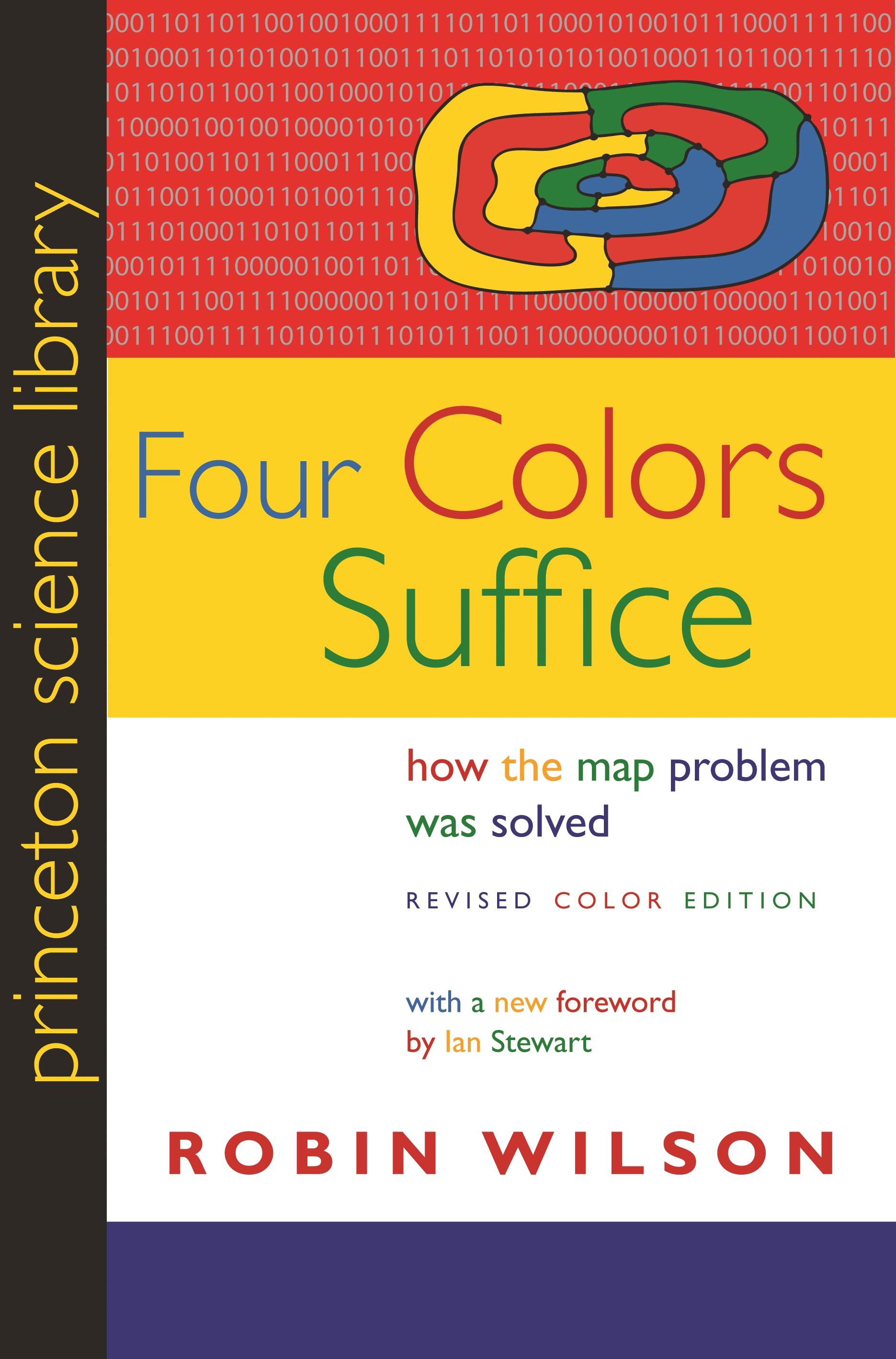
On October 23, 1852, Professor Augustus De Morgan wrote a letter to a colleague, unaware that he was launching one of the most famous mathematical conundrums in history--one that would confound thousands of puzzlers for more than a century. This is the amazing story of how the "map problem" was solved.
The problem posed in the letter came from a former student: What is the least possible number of colors needed to fill in any map (real or invented) so that neighboring counties are always colored differently? This deceptively simple question was of minimal interest to cartographers, who saw little need to limit how many colors they used. But the problem set off a frenzy among professional mathematicians and amateur problem solvers, among them Lewis Carroll, an astronomer, a botanist, an obsessive golfer, the Bishop of London, a man who set his watch only once a year, a California traffic cop, and a bridegroom who spent his honeymoon coloring maps. In their pursuit of the solution, mathematicians painted maps on doughnuts and horseshoes and played with patterned soccer balls and the great rhombicuboctahedron.
It would be more than one hundred years (and countless colored maps) later before the result was finally established. Even then, difficult questions remained, and the intricate solution--which involved no fewer than 1,200 hours of computer time--was greeted with as much dismay as enthusiasm.
Providing a clear and elegant explanation of the problem and the proof, Robin Wilson tells how a seemingly innocuous question baffled great minds and stimulated exciting mathematics with far-flung applications. This is the entertaining story of those who failed to prove, and those who ultimately did prove, that four colors do indeed suffice to color any map.
This new edition features many color illustrations. It also includes a new foreword by Ian Stewart on the importance of the map problem and how it was solved.
Prima di Memmo, i miei appunti erano sparsi tra mille PDF. Ora uno spazio di lavoro raccoglie tutto in un unico posto, e vedo esattamente cosa mi resta da studiare.
I riassunti di Memmo sono oro puro prima degli esami. Non devo rileggere 800 pagine due settimane prima, solo le parti importanti.
La chat AI mi ha salvato più di una volta la sera prima di un esame. Continuo a chiedere finché non capisco, senza aspettare risposte da un gruppo di studio.
I quiz colpiscono esattamente ciò che devo sapere. Memmo tiene traccia di dove mi blocco, così mi esercito solo su ciò che conta davvero.
Le flashcard con ripetizione spaziata sono magia pura. Memmo sa quando sto per dimenticare qualcosa e me lo ripropone.
I podcast AI sono i miei preferiti. Li ascolto mentre vado a scuola e ripasso senza stare davanti al computer.

Handbok i kvalitativa metoder
281 kr

Hållbar utveckling: en introduktion för ingenjörer och andra problemlösare
334 kr

Brymans Samhällsvetenskapliga metoder
390 kr

Projektledning
491 kr

Den orättvisa hälsan: om socioekonomiska skillnader i hälsa och livslängd
326 kr

Organizational Leadership
429 kr

Vetenskapsteori för nybörjare
196 kr

På väg mot läraryrket
172 kr

Det sociala livet i skolan: Socialpsykologiska perspektiv
253 kr

Betygsättningens didaktik
151 kr

Personality
402 kr

Studying Leadership
404 kr

Managing Innovation
477 kr

Introduktion till samhällsvetenskaplig metod
347 kr

The Psychology of Sex and Gender
698 kr

Evidens och kunskap för socialt arbete
207 kr

Introduction to Leadership
605 kr