
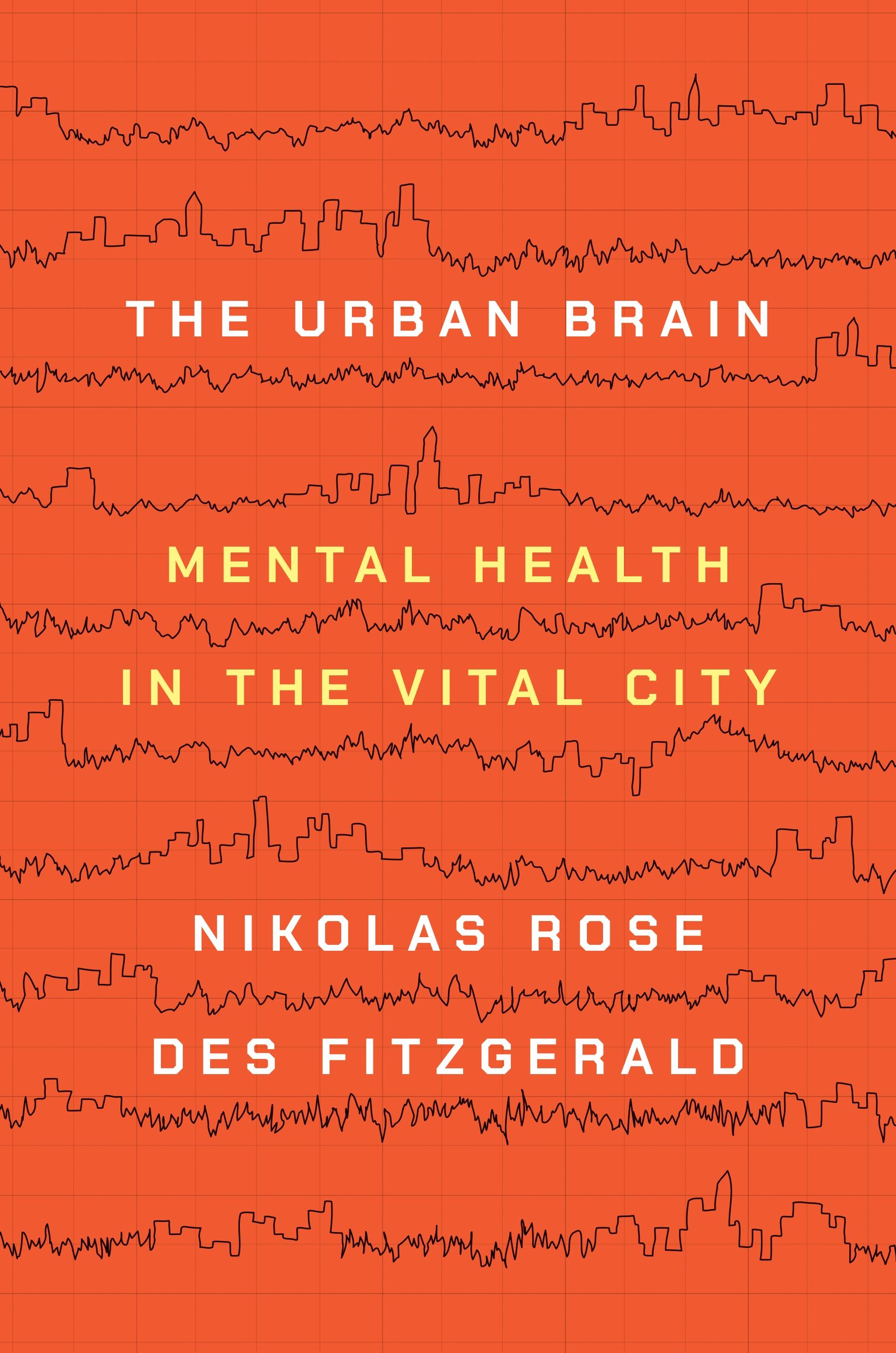
Bridging the social and life sciences to unlock the mystery of how cities shape mental health and illness
Most of the world’s people now live in cities and millions have moved from the countryside to the rapidly growing megacities of the global south. How does the urban experience shape the mental lives of those living in and moving to cities today? Sociologists study cities as centers of personal progress and social innovation, but also exclusion, racism, and inequality. Psychiatrists try to explain the high rates of mental disorders among urban dwellers, especially migrants. But the split between the social and life sciences has hindered understanding of how urban experience is written into the bodies and brains of urbanites. In The Urban Brain, Nikolas Rose and Des Fitzgerald seek to revive the collaboration between sociology and psychiatry about these critical questions. Reexamining the relationship between the city and the brain, Rose and Fitzgerald explore the ways cities shape the mental health and illness of those who inhabit them.
Drawing on the social and life sciences, The Urban Brain takes an ecosocial approach to the vital city, in which humans live and thrive but too often get sick and suffer. The result demonstrates what we can gain by a vitalist approach to the mental lives of those migrating to and living in cities, focusing on the ways that humans make, remake, and inhabit their urban lifeworlds.
Paga facilmente con carta, Klarna, Apple Pay o Google Pay. Non sei soddisfatto? Hai sempre 14 giorni per il rimborso. Leggi di più nei nostri termini. Per qualsiasi domanda, scrivici a hello@memmo.org.
Memmo rende lo studio più facile, ovunque tu sia nel mondo. Qui trovi i tuoi libri di testo e strumenti di studio intelligenti, tutto in un unico posto: riassunti, quiz, podcast e flashcard. E poi c'è Ted, il tuo compagno di studio che risponde a ogni tua domanda. Oltre 50.000 studenti studiano già qui: è stato creato per aiutarti a imparare più velocemente e a stressarti meno.