
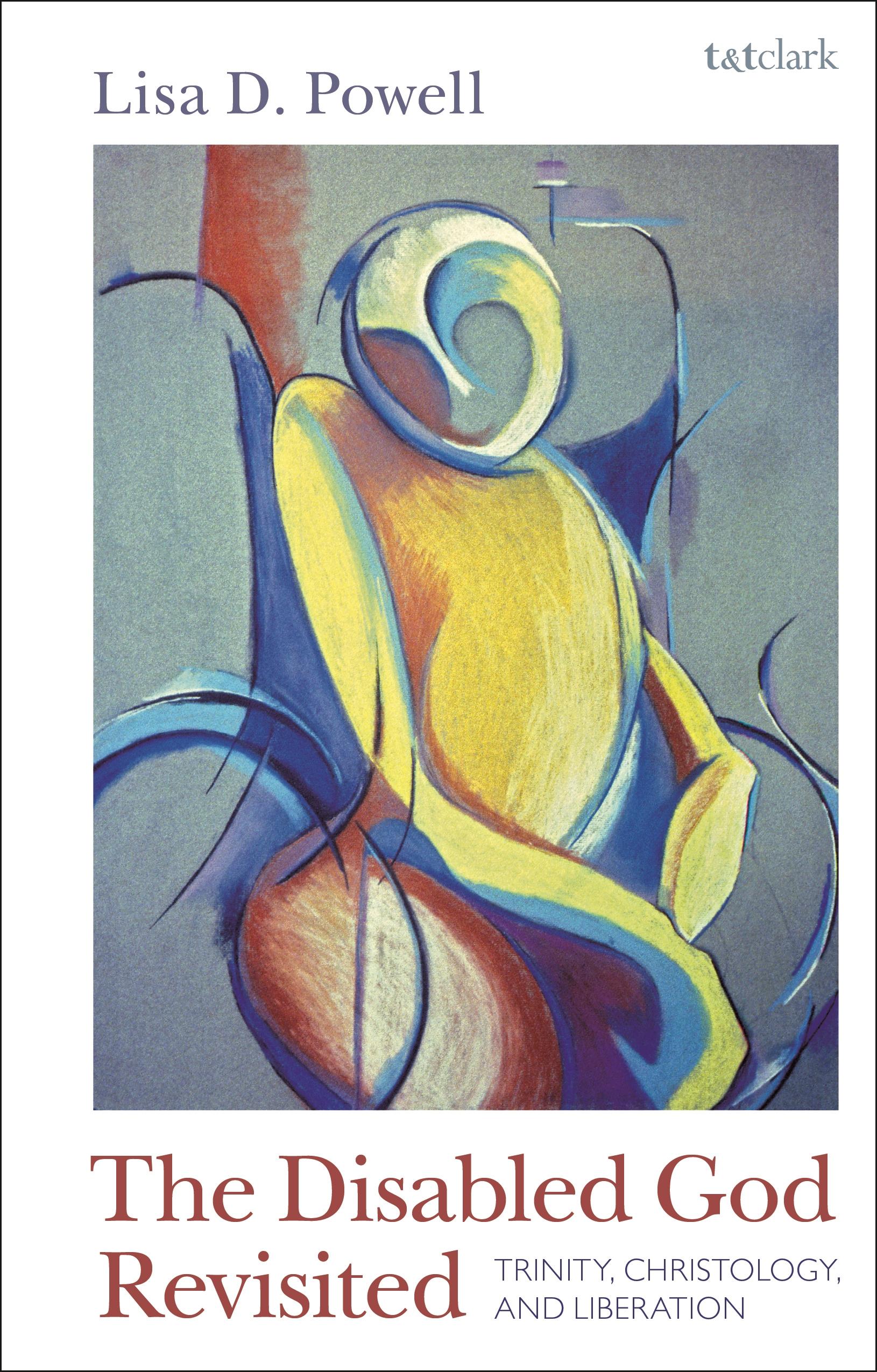
Lisa D. Powell strengthens and amplifies the claim that God is disabled, made by Nancy Eiesland in her ground breaking book The Disabled God (1994). She offers an alternative understanding of the doctrine of God and the Trinity, resulting in a God who is not autonomous and utterly independent. According to this view, God's triune identity is established in God's decision for covenant, and thus creation is a requirement for the fulfillment of God's nature - not only is the Son always anticipating full embodiment and human nature, but more specifically is eternally anticipating an impaired body. Powell argues that God is not only interdependent within the immanent Trinity, but God experiences real dependency, risk and vulnerability from God's “original” self-determination.
Powell revisits Eiesland's claim about Christ's resurrected body and her conclusions about eschatological embodiment, arguing that it is the able-body that does not persist eschatologically, but all humanity journeys toward ever more transparency, vulnerability and interdependency as the Body of Christ.
Powell revisits Eiesland's claim about Christ's resurrected body and her conclusions about eschatological embodiment, arguing that it is the able-body that does not persist eschatologically, but all humanity journeys toward ever more transparency, vulnerability and interdependency as the Body of Christ.
Paga facilmente con carta, Klarna, Apple Pay o Google Pay. Non sei soddisfatto? Hai sempre 14 giorni per il rimborso. Leggi di più nei nostri termini. Per qualsiasi domanda, scrivici a hello@memmo.org.
Memmo rende lo studio più facile, ovunque tu sia nel mondo. Qui trovi i tuoi libri di testo e strumenti di studio intelligenti, tutto in un unico posto: riassunti, quiz, podcast e flashcard. E poi c'è Ted, il tuo compagno di studio che risponde a ogni tua domanda. Oltre 50.000 studenti studiano già qui: è stato creato per aiutarti a imparare più velocemente e a stressarti meno.