
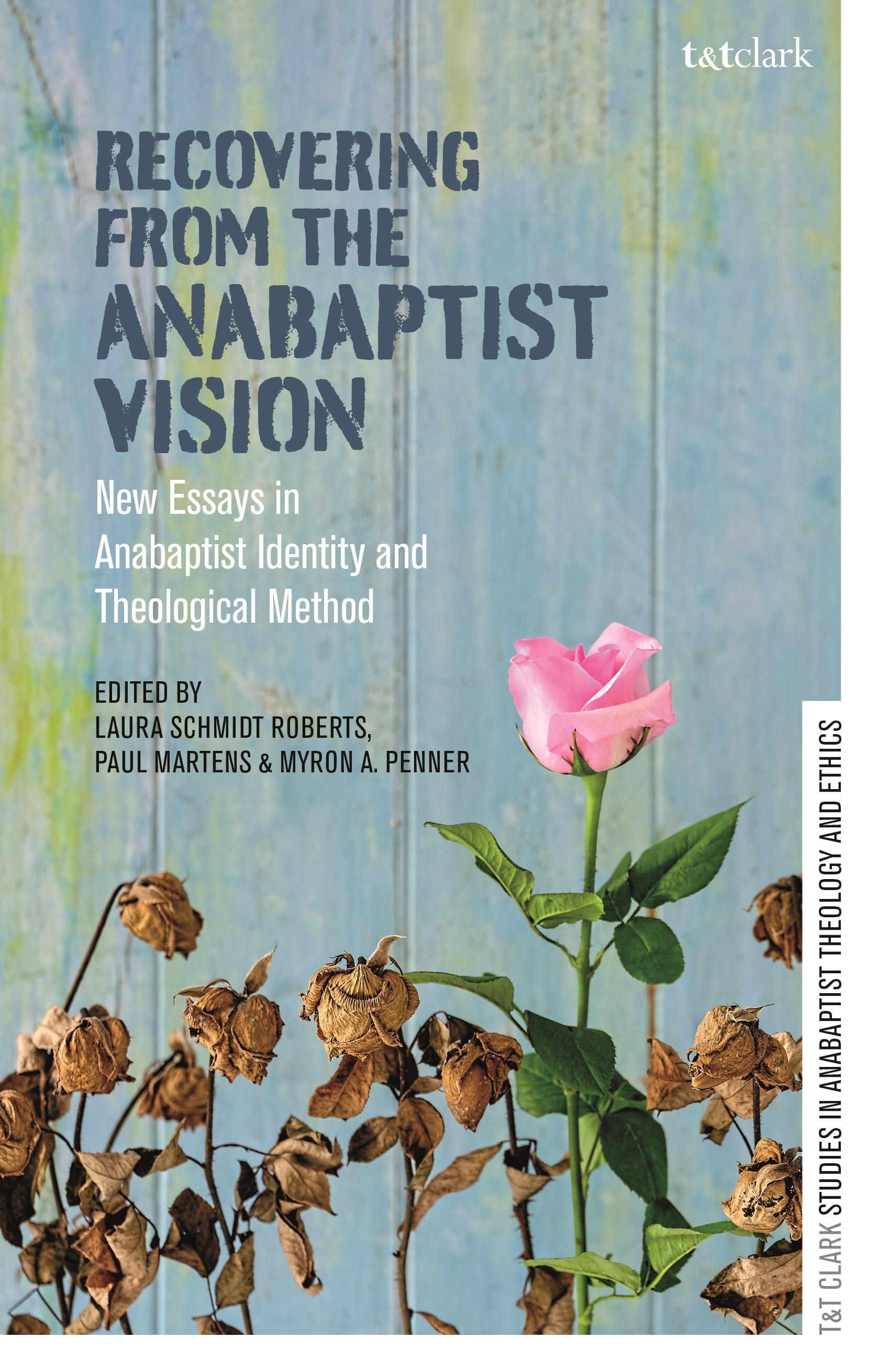
This volume performs a critical and vibrant reconstruction of Anabaptist identity and theological method, in the wake of the recent revelations of the depth of the sexual abuse perpetrated by the most influential Anabaptist theologian of the 20th century, John Howard Yoder. In an attempt to liberate Anabaptist theology and identity from the constricting vision appropriated and reformulated by Yoder, these essays refuse the determinative categories of the last half century supplied by and carried beyond Harold Bender's The Anabaptist Vision.
While still under the shadow of decades of trauma, a recontexualized conversation about Anabaptist theology and identity emerges in this volume that is ecumenically engaged, philosophically astute, psychologically attuned, and resolutely vulnerable. The volume offers a Trinitarian and Christological framework that holds together the importance of Scripture, tradition, and the lived experience of the Christian community, as the contributors examine a wide variety of issues such as Mennonite feminism, Anabaptist queer theology, and Mennonite theological methods. These essays interrogate the operations of power, violence, exclusion, and privilege in methodology in this changed context, offering self-critical constructive alternatives for articulating Anabaptist theology and identity.
While still under the shadow of decades of trauma, a recontexualized conversation about Anabaptist theology and identity emerges in this volume that is ecumenically engaged, philosophically astute, psychologically attuned, and resolutely vulnerable. The volume offers a Trinitarian and Christological framework that holds together the importance of Scripture, tradition, and the lived experience of the Christian community, as the contributors examine a wide variety of issues such as Mennonite feminism, Anabaptist queer theology, and Mennonite theological methods. These essays interrogate the operations of power, violence, exclusion, and privilege in methodology in this changed context, offering self-critical constructive alternatives for articulating Anabaptist theology and identity.
Paga facilmente con carta, Klarna, Apple Pay o Google Pay. Non sei soddisfatto? Hai sempre 14 giorni per il rimborso. Leggi di più nei nostri termini. Per qualsiasi domanda, scrivici a hello@memmo.org.
Memmo rende lo studio più facile, ovunque tu sia nel mondo. Qui trovi i tuoi libri di testo e strumenti di studio intelligenti, tutto in un unico posto: riassunti, quiz, podcast e flashcard. E poi c'è Ted, il tuo compagno di studio che risponde a ogni tua domanda. Oltre 50.000 studenti studiano già qui: è stato creato per aiutarti a imparare più velocemente e a stressarti meno.