
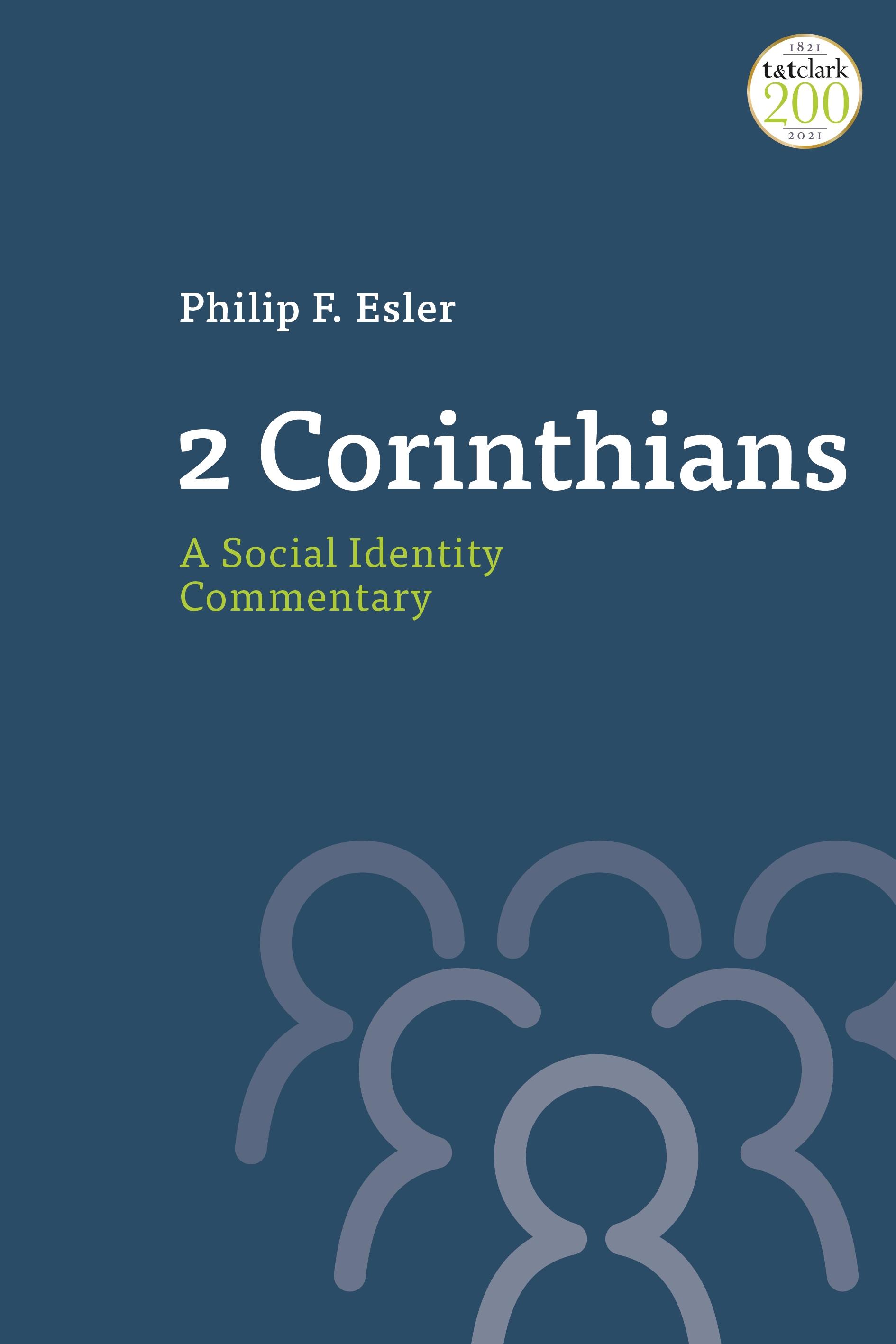
Philip F. Esler provides a comprehensive coverage of the issues in 2 Corinthians from the perspective of social identity, with a focus on Paul's leadership.
Esler enlists social identity theory-in critical dialogue with existing scholarship-to show how Paul sought to persuade the Corinthian Christ-followers to adopt certain views on four critical issues that had arisen in his relationship with them, with his discourse demonstrably reflecting the ancient Mediterranean culture they shared. Two introductory chapters set out those four issues, summarise the events reflected in 1 and 2 Corinthians, make an initial case for the integrity of the letter against partition theories, explain and defend the use of social identity theory in biblical interpretation, and describe the social identity approach to leadership. In the commentary, Esler explores how Paul re-establishes his leadership role by reconnecting with the Corinthians, urges their participation in the collection for Jerusalem, and defends his position against recently arrived opponents, all the while reinforcing his addressees' social identity as Christ-followers. Prominent features of the commentary fostered by its social identity perspective include its cumulative case for the letter's unity, for Paul's opponents being similar to those in Galatia, and for the interweaving of social and theological dimensions in the text.
Esler enlists social identity theory-in critical dialogue with existing scholarship-to show how Paul sought to persuade the Corinthian Christ-followers to adopt certain views on four critical issues that had arisen in his relationship with them, with his discourse demonstrably reflecting the ancient Mediterranean culture they shared. Two introductory chapters set out those four issues, summarise the events reflected in 1 and 2 Corinthians, make an initial case for the integrity of the letter against partition theories, explain and defend the use of social identity theory in biblical interpretation, and describe the social identity approach to leadership. In the commentary, Esler explores how Paul re-establishes his leadership role by reconnecting with the Corinthians, urges their participation in the collection for Jerusalem, and defends his position against recently arrived opponents, all the while reinforcing his addressees' social identity as Christ-followers. Prominent features of the commentary fostered by its social identity perspective include its cumulative case for the letter's unity, for Paul's opponents being similar to those in Galatia, and for the interweaving of social and theological dimensions in the text.
Paga facilmente con carta, Klarna, Apple Pay o Google Pay. Non sei soddisfatto? Hai sempre 14 giorni per il rimborso. Leggi di più nei nostri termini. Per qualsiasi domanda, scrivici a hello@memmo.org.
Memmo rende lo studio più facile, ovunque tu sia nel mondo. Qui trovi i tuoi libri di testo e strumenti di studio intelligenti, tutto in un unico posto: riassunti, quiz, podcast e flashcard. E poi c'è Ted, il tuo compagno di studio che risponde a ogni tua domanda. Oltre 50.000 studenti studiano già qui: è stato creato per aiutarti a imparare più velocemente e a stressarti meno.